MUMBAI: Man Matters on Monday launched what it describes as India’s first at-home blood testing service specifically tailored to assess factors linked to men’s hair thinning and hair fall. The offering combines home sample collection through a NABL-trusted laboratory with physician review of reports, the company said.
Service and testing workflow
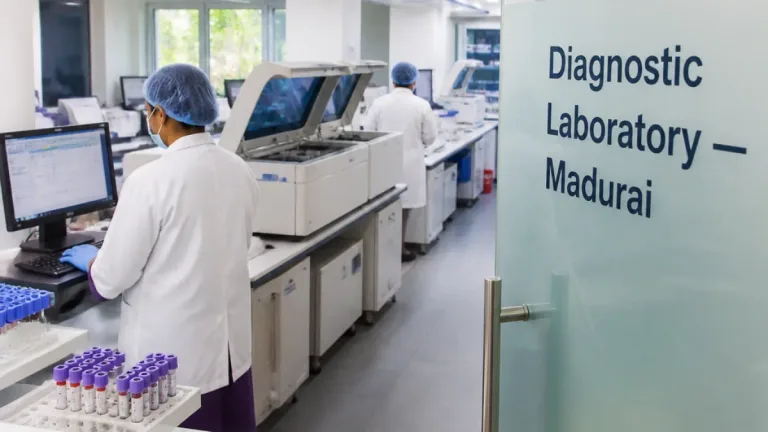
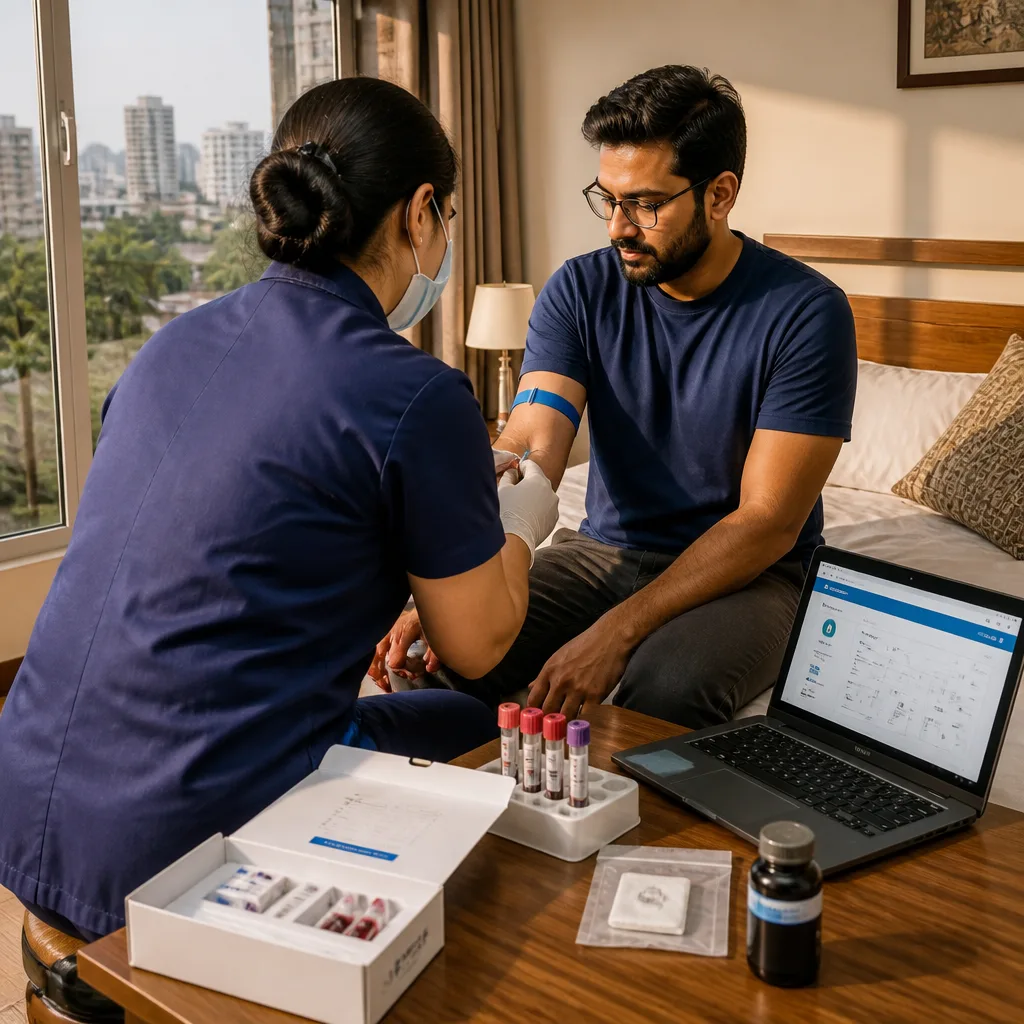
Users can book tests via the Man Matters platform. After scheduling, a trained phlebotomist visits the home to collect blood samples, which are analysed by a laboratory that the company described as NABL-trusted. Once the laboratory report is issued, Man Matters facilitates a follow-up consultation with one of its doctors to interpret findings and recommend next steps.
The company said the initiative was designed to encourage an evidence-first approach to hair care, noting that many men start treatments without first investigating underlying nutritional or metabolic contributors.
Panels on offer and clinical rationale
Two testing options are being offered:
- Focused panel — screening for Vitamin D, Vitamin B12 and thyroid function.
- Comprehensive panel — in addition to the focused markers, includes blood sugar, lipid profile and serum ferritin.
| Panel | Key markers |
|---|---|
| Focused | Vitamin D, Vitamin B12, Thyroid function |
| Comprehensive | Focused markers + Blood sugar, Lipid profile, Serum ferritin |
Man Matters dermatologist Dr Kanishka Kaul said deficiencies of Vitamin D and Vitamin B12 can be associated with hair thinning, though she clarified they are not the determining factors in hereditary baldness.
“Knowing which one you’re dealing with is the difference between guessing and treating,” Kaul said, according to the company.
Co-founder Geet Rathi noted that while blood tests cannot diagnose genetic pattern hair loss, they can reveal correctable deficiencies or metabolic conditions that may worsen hair health.
Scale and positioning
Man Matters cited platform metrics to underline demand for such services, saying it handles nearly 5,000 consultations a day and completed more than 6.3 lakh doctor consultations in the past year. The company is positioning the product around a “test first, treat second” philosophy to reduce empirical or premature use of therapies without diagnostic input.
By offering home collection, the firm aims to lower access barriers for men who may otherwise defer testing. The involvement of a NABL-trusted laboratory is intended to assure users about analytical quality, the company added.
Context and clinical perspective
Medical guidance generally recognises that hair fall can have multiple contributors, including genetic predisposition, nutritional deficiencies, endocrine disorders and chronic systemic disease. Tests such as Vitamin D, Vitamin B12, thyroid function, blood glucose and ferritin are commonly used to rule out treatable causes or aggravating factors. However, a normal laboratory report does not necessarily guarantee optimal hair health, and conversely, abnormal values must be interpreted in clinical context.
Health authorities such as the Indian Council of Medical Research (ICMR) and global bodies like the World Health Organization (WHO) recommend that laboratory testing be ordered and interpreted by qualified clinicians; individuals concerned about hair loss should consult their doctor before initiating therapies. Man Matters said its model includes a doctor consultation after testing to assist interpretation and management decisions.
Consumers considering such diagnostic services should verify laboratory accreditation and ask about the clinical pathway that follows testing — including whether treatment recommendations are personalised and if follow-up care is available. Home sample collection services have expanded rapidly in India in recent years, driven by telehealth uptake, but experts advise that diagnostic testing complement, not replace, a clinical assessment.
Individuals seeking care for hair thinning are advised to consult a qualified physician or dermatologist for an assessment tailored to their symptoms and medical history; this report is informational and does not constitute medical advice.