Visitor surge in first seven months
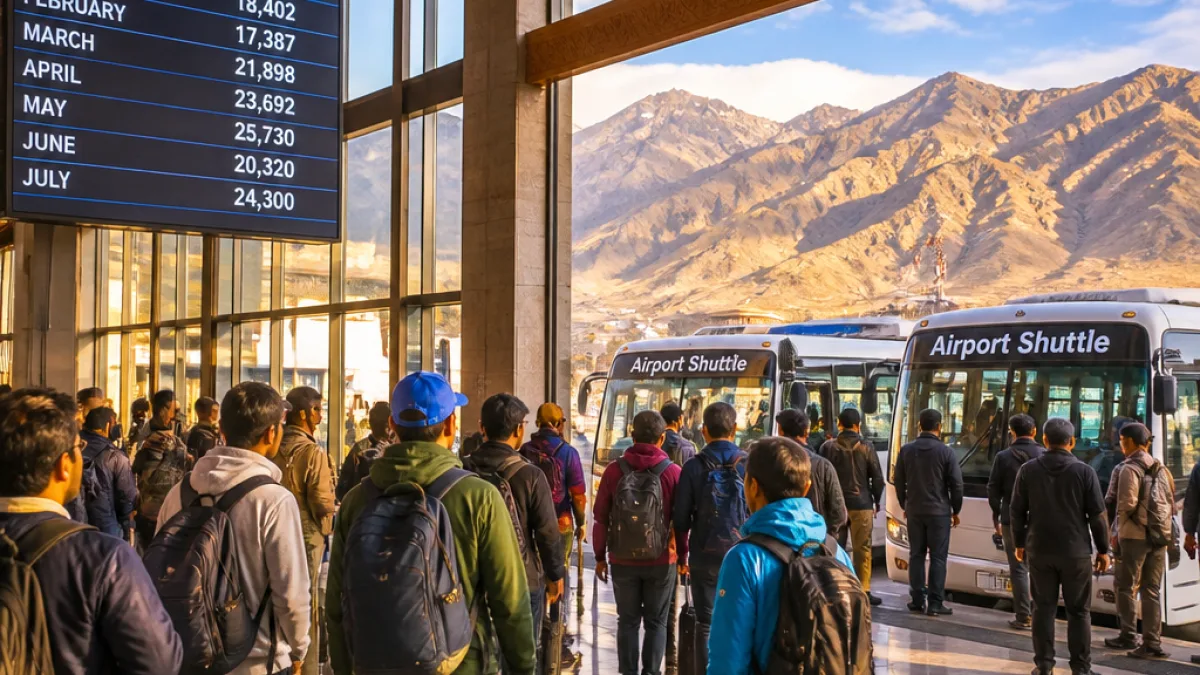
Ladakh has recorded more than 3.30 lakh tourist arrivals between January and July 2026, almost matching the 3.35 lakh visitors registered for the entire calendar year 2025, the Union Territory administration said on social media.
The Lieutenant Governor of Ladakh, Vinai Kumar Saxena, noted that tourist footfall crossed the one-lakh mark in both June and July — 1.07 lakh and 1.05 lakh arrivals respectively — signalling a strong peak-season performance for the high-altitude region.
Administration cites infrastructure and policy changes
The administration attributed the rise to several factors, including improved tourism infrastructure, streamlined tourism reforms and the recent grant of industry status to hotels in the Union Territory. Officials said these measures have supported easier business operations for hoteliers and expanded the region's ability to welcome visitors.
- Improved road connectivity and expansion of the road network
- Policy reforms and industry status for hotels
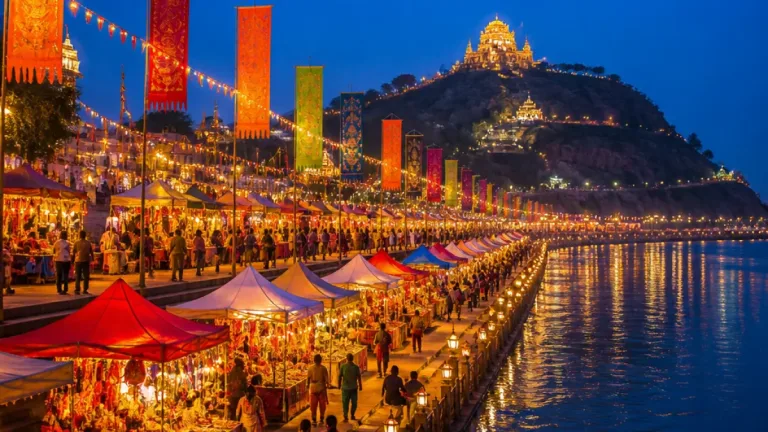
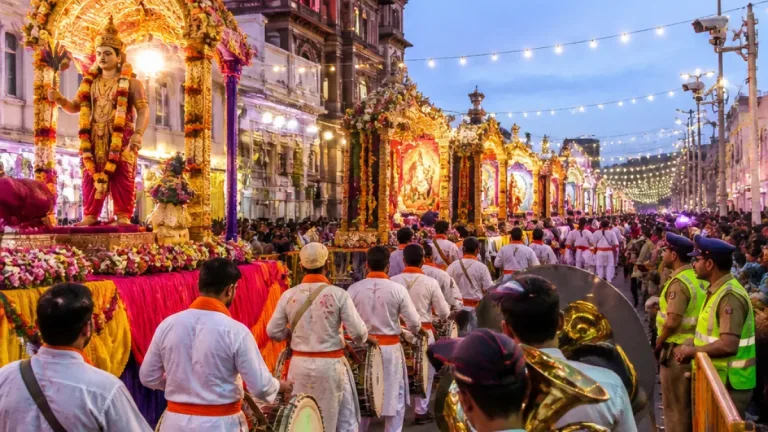
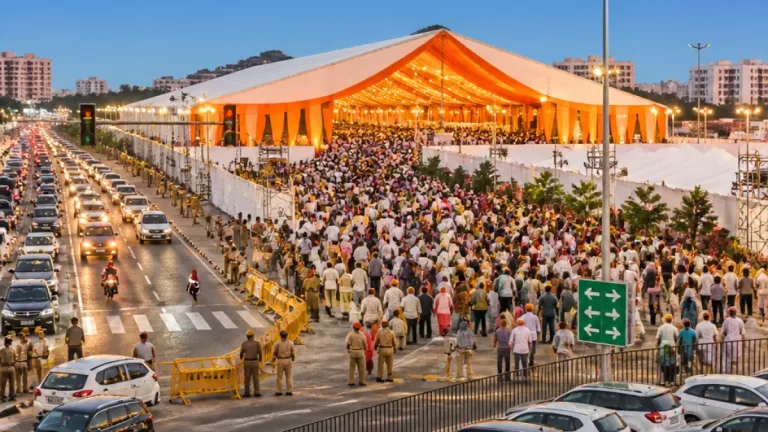
- Major cultural and tourism events such as the Hemis Festival, Sindhu Mahakumbh and Ladakh Astro Week
- Efforts to strengthen year-round connectivity and local livelihood opportunities
Events and attractions driving arrivals
The administration highlighted a string of cultural and tourism events in the first half of the year as important pull factors for both domestic and international visitors. Festivals and themed weeks — promoted actively by local bodies and the administration — were listed as contributors to the concentrated tourist activity in June and July.
Local economy and livelihoods
Tourism is a major livelihoods generator in Ladakh, supporting hotels, homestays, guides, transport operators and small businesses. The administration’s framing links the rise in visitor numbers to job creation and increased economic activity in peripheral towns and village economies, though detailed employment figures were not released alongside the arrival statistics.
Seasonal context and capacity considerations
June and July are traditional high season months in Ladakh, when passes open, temperatures moderate and festival calendars peak. Authorities have in recent years emphasised strengthening infrastructure and service capacity to handle concentrated seasonal flows while seeking to balance ecological and community concerns.
What the numbers show
| Period | Arrivals |
|---|---|
| January–July 2026 | 3.30 lakh+ |
| June 2026 | 1.07 lakh |
| July 2026 | 1.05 lakh |
Administration priorities and next steps
The administration has pointed to continued expansion of roads and efforts aimed at improving year-round connectivity as key to sustaining growth. The move to grant industry status to hotels is intended to mobilise investment and formalise operations, according to the statement shared by the Lieutenant Governor.
Practical implications for visitors and residents
For prospective visitors, peak-season numbers imply higher demand for accommodation and transport services in June–July; early bookings remain advisable. For residents and businesses, the administration’s emphasis on infrastructure and reforms suggests continued focus on tourism as an economic priority, with potential for more formal employment and investment in hospitality.
While the arrival figures show a rapid uptick in 2026 so far, the administration did not provide a detailed breakdown by district, domestic versus international visitors, or length of stay. Those metrics will be important for planners seeking to manage environmental impact and ensure benefits reach local communities.