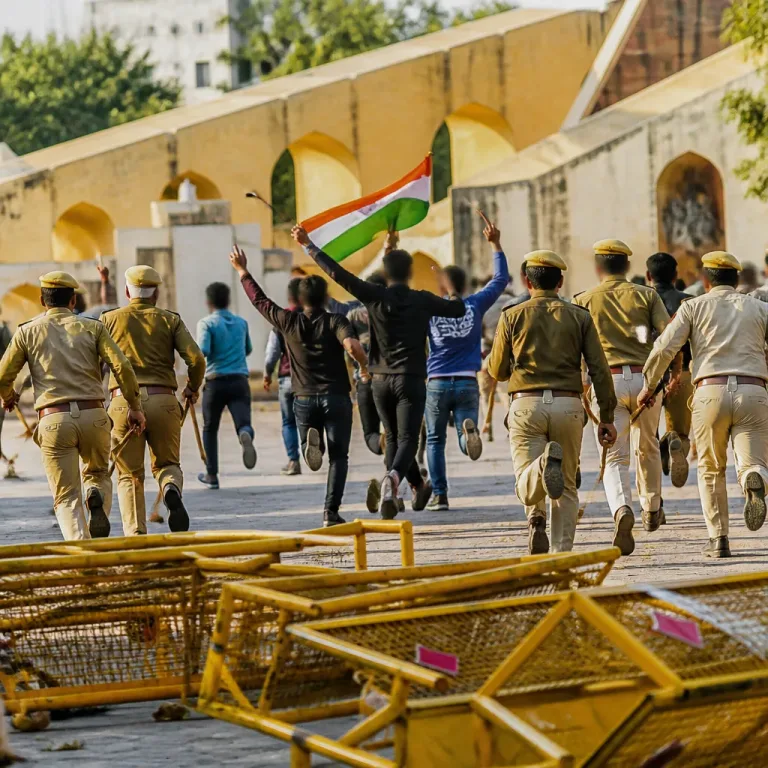
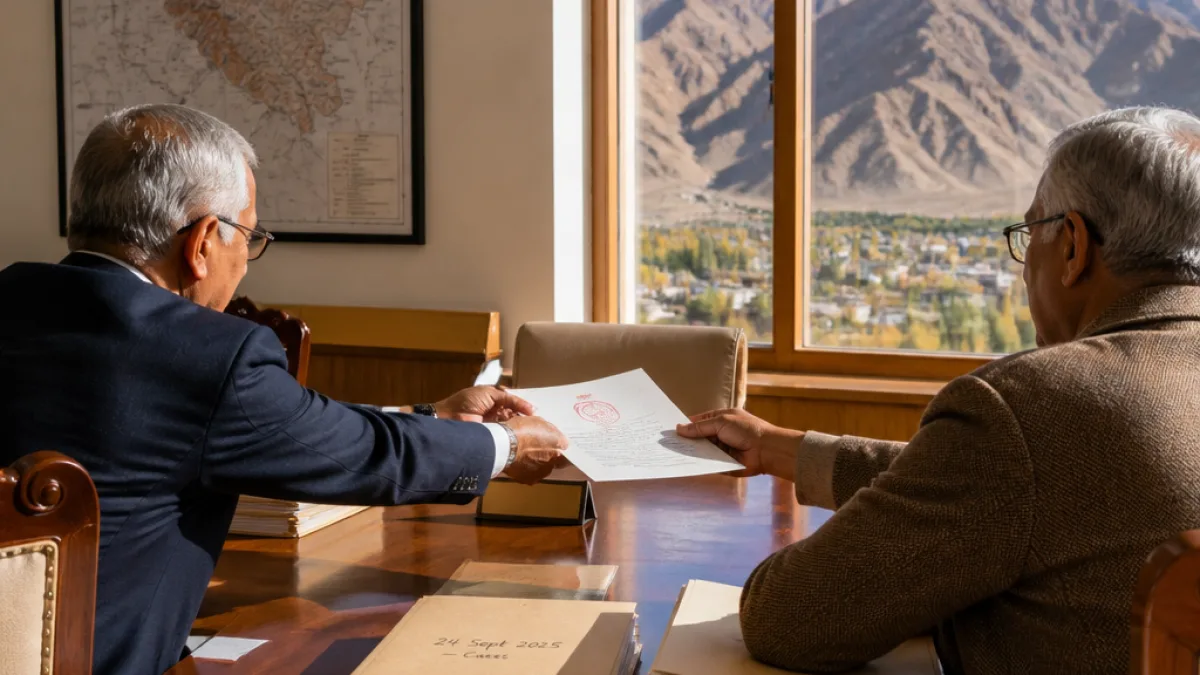
Leh, August 18 — Veteran Ladakhi leaders Thupstan Chhewang and Tashi Gyalson called on Lieutenant Governor Vinai Kumar Saxena and urged the administration to withdraw cases registered against youth in connection with the unrest that rocked Leh on 24 September 2025. They also pressed for financial assistance to families affected by the violence and for early completion and submission of the judicial committee report examining the events.
Demands and rationale
The two leaders, who are members of the Ministry of Home Affairs' High-Powered Committee on the Ladakh issue, submitted a memorandum during the meeting. They sought a sympathetic, phased withdrawal of cases against those allegedly involved in the September incident, citing prior high-level deliberations where a compassionate approach had been discussed.
According to the delegation, the minutes of a May 22 meeting with the Ministry of Home Affairs recorded an understanding that some of these matters could be handled with sensitivity and goodwill measures. Chhewang and Gyalson also requested that the administration set an early date for a comprehensive dialogue on the broader Ladakh issue, noting that parties had reached an in-principle framework that required finalisation.
Lieutenant Governor response
The Lieutenant Governor gave assurance of his attention to the points raised. In response to the delegation, he reiterated the administration's commitment to the "welfare, peace and development of the people of Ladakh," signalling willingness to consider the requests.
"The Lieutenant Governor assured the delegation of his personal attention to the issues and reiterated the administration's commitment to the welfare, peace and development of the people of Ladakh."
What the leaders asked for
- Phased withdrawal of cases registered against youth linked to the September 24, 2025 violence.
- Compensation and financial assistance for families affected by the unrest.
- Early submission of the Judicial Committee's report into the incident.
- An early date for dialogue on the broader Ladakh issue to finalise the in-principle framework reached earlier.
Background and significance
The meeting comes after a period of sustained scrutiny and inquiry into the unprecedented violence in Leh on 24 September 2025. A judicial committee was formed to examine the events, and its findings are awaited by community leaders, civil society and the administration alike. The requests from Chhewang and Gyalson reflect a push for restorative measures and administrative closure for those affected.
Withdrawal of criminal cases and compensation are politically sensitive moves that involve legal, administrative and community considerations. Any decision on case withdrawal would need to balance rule of law concerns with local demands for reconciliation and relief. Similarly, announcing compensation will require identification of eligible families and a mechanism for disbursal.
Process and next steps
The delegation urged early action on the judicial committee's report and a timetable for the proposed dialogue. The Lieutenant Governor's commitment to personally oversee the matters indicates the administration may expedite consultations with relevant ministries, law enforcement and the judicial committee before announcing concrete measures.
| Event | Date |
|---|---|
| Leh violence | 24 September 2025 |
| MHA high-level deliberations (minutes referenced) | 22 May (year not specified in memorandum) |
| Meeting between Chhewang, Gyalson and LG | 17-18 August 2026 |
Stakeholder perspectives
Chhewang and Gyalson framed their request in terms of compassion and reconciliation, referring to prior understandings reached with the Ministry of Home Affairs. The Lieutenant Governor's pledge of attention was recorded by the delegation as a positive response, though concrete outcomes — such as which cases might be withdrawn, timelines for compensation, or dates for wider dialogue — were not announced at the meeting.
As members of the MHA's High-Powered Committee, both leaders occupy advisory roles in the ongoing political process concerning Ladakh. Their intervention reinforces the continued role of regional leadership in shaping administrative responses to the unrest and highlights expectations from local stakeholders for timely remedial measures.
Further clarifications are likely as the judicial committee completes its work and as the administration consults with the Ministry of Home Affairs and law-enforcement agencies on any possible actions arising from the delegation's demands.