India's retail inflation increased to 4.45% in July, from 4.38% in June, according to provisional Consumer Price Index (CPI) data released by the Ministry of Statistics and Programme Implementation on Wednesday. The rise was driven mainly by persistent food price pressures and notable jumps in prices of precious metal jewellery and a few other miscellaneous items.
Food inflation remains the key driver
Food inflation, measured by the Consumer Food Price Index, climbed to 5.52% in July from 5.32% in June. The increase was more pronounced in rural areas, where food inflation stood at 5.79%, compared with 5.05% in urban areas. That divergence suggests rural households continued to bear a larger share of food-price pain last month.
"Food inflation risk now bigger than crude oil," an expert said, reflecting growing concern over staples' impact on headline inflation.
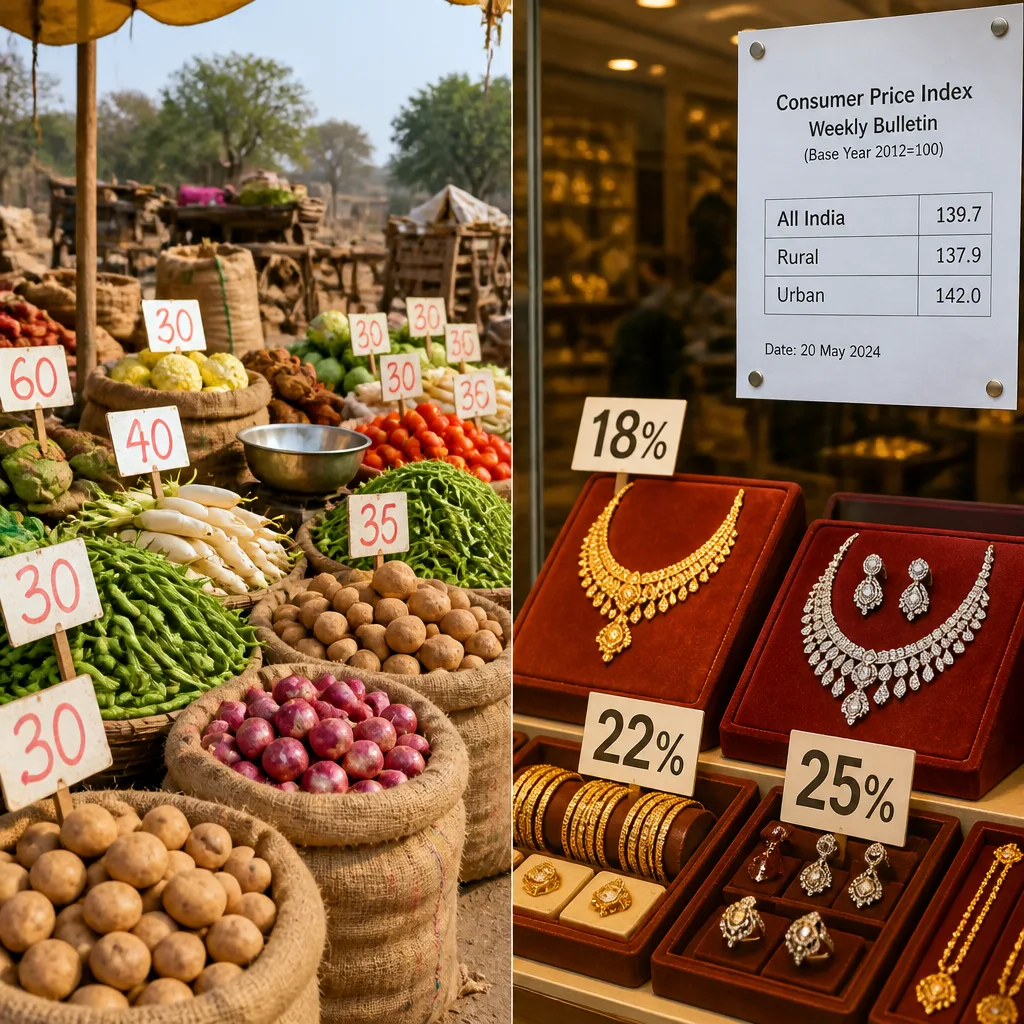
Vegetable prices showed mixed movements: potatoes were markedly cheaper year-on-year, down by 16.56%, while lady’s finger, peas and tomatoes also eased. But several other food items recorded sharp increases — ginger surged by 83.62%, garlic by 35.36% and onion by 22.54% compared with the year-ago period.
Non-food categories: jewellery and services pressuring inflation
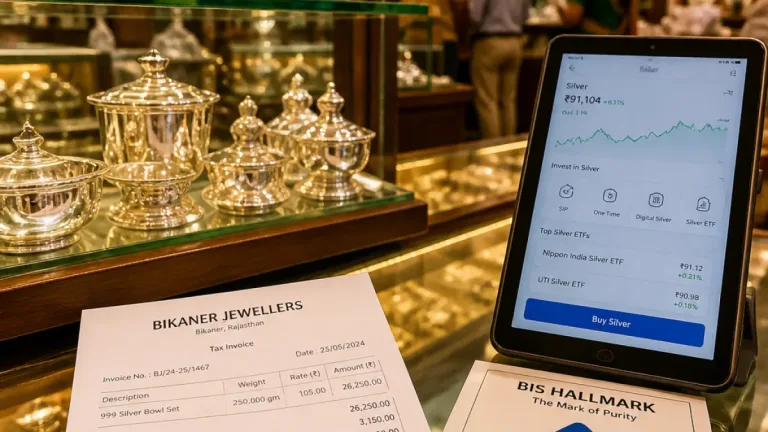
Beyond food, consumers saw large year-on-year rises in prices of precious metal jewellery. Silver jewellery recorded an exceptional rise of 109.84% in July, while gold, diamond and platinum jewellery climbed by 32.98%. These pushes contributed to higher inflation in the miscellaneous goods and services segment.
Other segments showed varied movements: housing inflation remained moderate at 2.22%, but restaurants and accommodation services recorded relatively high inflation at 7.72%. A category aggregating personal care, social protection and miscellaneous goods and services posted inflation of 14.77%, underscoring pockets of elevated price increases that affect discretionary spending.
Rural vs urban: a persistent gap
The CPI release continued to show higher inflation in rural India. Overall rural retail inflation was 4.84%, compared with urban inflation of 4.16%. That spread highlights how consumption baskets and exposure to food and essential items keep rural households more vulnerable to price shocks.
| Measure | June (%) | July (%) |
|---|---|---|
| Headline CPI | 4.38 | 4.45 |
| Food inflation (CFPI) | 5.32 | 5.52 |
| Rural CPI | — | 4.84 |
| Urban CPI | — | 4.16 |
- Pocket impact: Rising food inflation, especially for items such as ginger, garlic and onion, increases day-to-day grocery bills for households, more so in rural India.
- Services and discretionary cost pressure: Elevated inflation in restaurants and miscellaneous services affects urban discretionary spending and could influence consumer sentiment.
- Market and policy watch: Persistent food-led inflation complicates the Reserve Bank of India's (RBI) task on monetary policy; while current headline inflation sits within comfortable bounds, food volatility can alter near-term expectations.
What this means for you: households are likely to feel the impact through grocery bills where staple and spice prices are rising fast, and from costlier jewellery purchases as precious metal prices spike. For policymakers and markets, food-induced volatility raises the prospect that inflation may require closer monitoring, even if the headline number remains within the RBI's comfort zone for now.
The data released is provisional and uses the new CPI base year of 2024, aligning inflation measurement with updated consumption patterns. Detailed monthly data will help analysts track which items are adding to inflation momentum and whether the current trend persists into the coming months.
Given the mixed picture across categories and regions, the near-term inflation outlook will be watched closely by households, corporates and the policy establishment for signals on interest rates, real incomes and consumption demand.