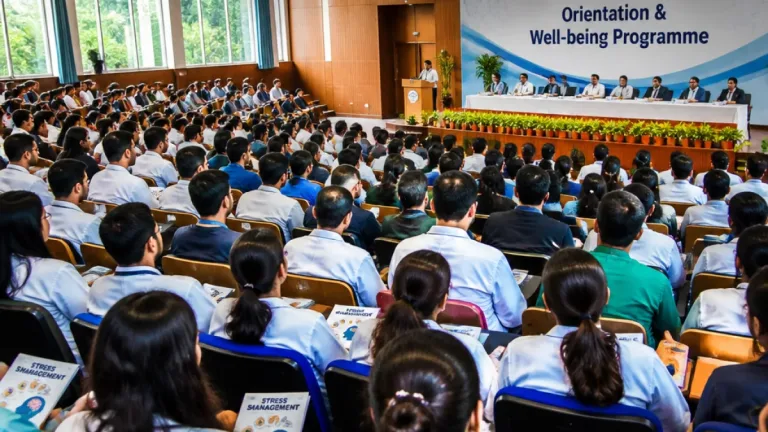
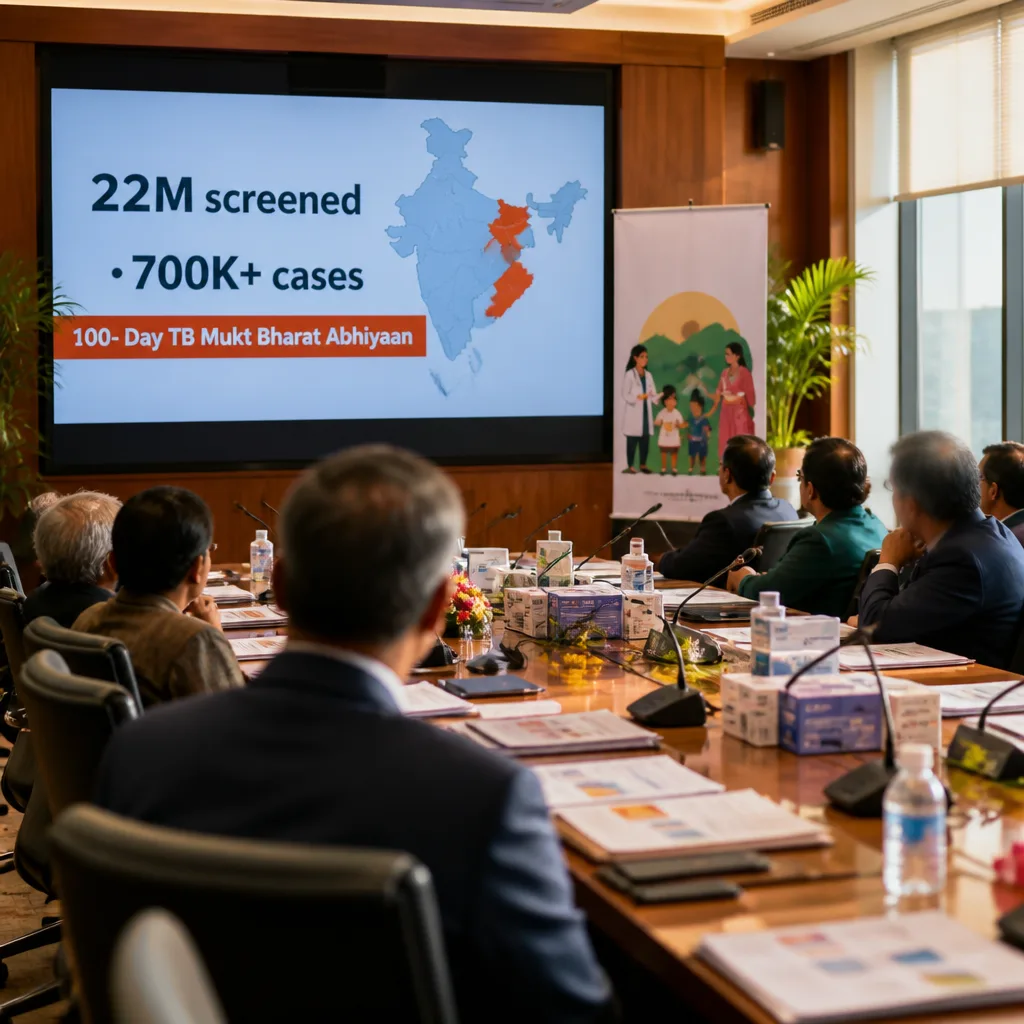
Union Health Minister JP Nadda met Members of Parliament from Jharkhand and Odisha on the sidelines of the Monsoon Session to review progress in India’s TB elimination drive and to mobilise parliamentary support for intensified local action.
Outcomes of the 100-Day campaign
The meeting focused on the recently completed 100-Day TB Mukt Bharat Abhiyaan, implemented in two phases and concluded in July 2026. The Health Ministry reported that the second phase, launched on 24 March 2026, covered nearly 158,000 high-risk villages and urban wards nationwide.
According to ministry figures presented at the interaction, the campaign screened over 22 million vulnerable persons, detected in excess of 700,000 new tuberculosis cases and identified about 197,000 asymptomatic TB cases that might otherwise have remained undiagnosed. Officials highlighted the value of intensified case-finding among high-risk and marginalised groups as central to accelerating elimination.
| Metric | Figure |
|---|---|
| High-risk villages/wards covered | 158,000 |
| People screened | 22 million+ |
| New TB cases detected | 700,000+ |
| Asymptomatic TB cases found | 197,000 |
Political leadership and local accountability
Mr Nadda urged parliamentarians to take on an active oversight role in their constituencies, working with District Collectors and local health facilities to evaluate the availability and quality of TB services. He stressed the necessity of continued political commitment and administrative follow-through to meet the government’s TB elimination targets.
- Ministers present included Union Minister of State for Health and Family Welfare Anupriya Patel and Union Minister of State for Defence Sanjay Seth.
- The meeting brought together Lok Sabha and Rajya Sabha MPs from the two states across party lines under the banner, "Parliamentarians Championing a TB Mukt Bharat".
- Discussions emphasised patient-centric care, early diagnosis, and community engagement.
Strategy: active case-finding and community engagement
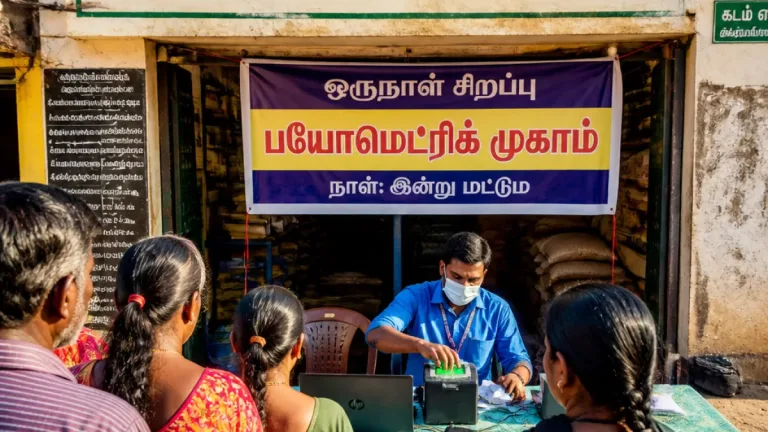
Participants reviewed the campaign’s methods and stressed a mix of approaches: intensified screening in high-risk pockets, deployment of innovative case-finding tools, rapid diagnostics for early detection and mechanisms to ensure treatment initiation and adherence. The ministry cited the campaign’s focused screening as demonstrating how pro-active outreach can uncover large numbers of otherwise hidden cases.
Speakers at the meeting underscored that detection alone is insufficient; ensuring uninterrupted treatment, nutritional support where needed, and psychosocial counselling remain vital to achieve treatment success and prevent drug resistance. They also noted the role of local governance and civil society in reaching marginalised populations.
What comes next
Officials indicated that the momentum from the 100-day drive must be sustained through routine primary-health activities and targeted outreach in vulnerable communities. MPs were asked to regularly review district-level performance, augment coordination between health functionaries and local administration, and support awareness campaigns to reduce stigma and improve care-seeking behaviour.
The ministry’s figures highlight both the scale of the TB burden and the potential of intensified interventions. Public-health experts have long advocated combining community-based screening with strengthened diagnostic and treatment pathways as essential to accelerate the path to a TB-free India.
Readers with concerns about TB symptoms or treatment should consult a qualified healthcare professional. The information in this report summarises government statements and campaign statistics and is not medical advice. For official guidance, refer to the Union Health Ministry and ICMR resources.