The Centre is considering allowing banks and payment companies to charge merchants a fee on some Unified Payments Interface (UPI) transactions, potentially ending a decade of largely free digital payments that helped drive the system's rapid adoption.
What is proposed
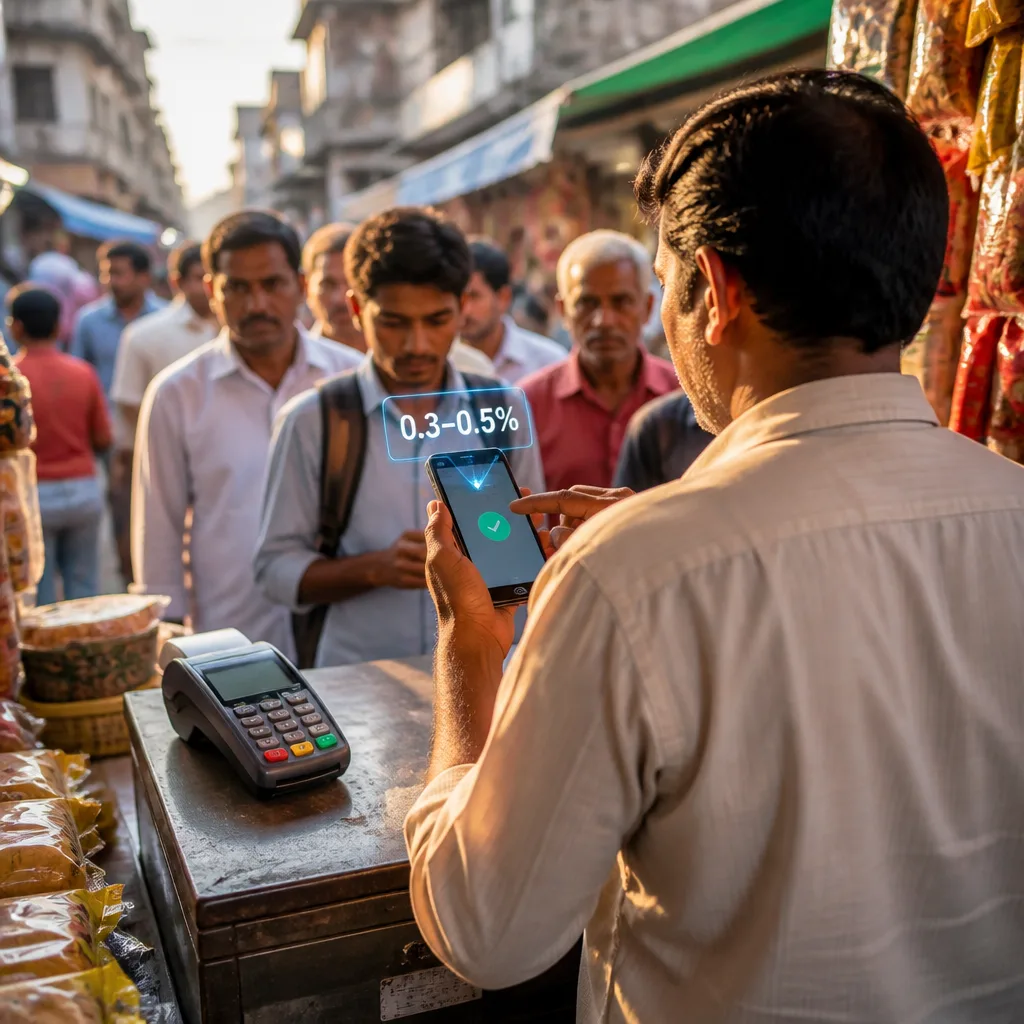
Officials are reportedly discussing a merchant discount rate (MDR) in the range of 0.3–0.5% to be applied to certain larger transactions at big businesses, while keeping consumer and person‑to‑person UPI transfers free. The government has not yet finalised the rate or the exact threshold above which the fee would apply.
Scale and stakes
UPI’s growth has been dramatic and is central to why the proposed change matters. Official figures cited in reporting show:
- 23.6 billion UPI transactions in July alone, worth ₹29.87 trillion.
- About 241.6 billion transactions in the financial year just ended.
- More than 550 million users on the platform.
Launched in 2016, UPI is a real‑time payments rail that lets users transfer money instantly using a virtual payment address or by scanning QR codes. Its architecture is notable for providing common “plumbing” — the central infrastructure on which multiple banks and fintech apps operate — rather than letting a single firm control the network.
Why the government is weighing fees
For years, most merchants have not paid a fee for UPI transactions. That zero‑fee arrangement helped accelerate adoption among small shops, services and large retailers alike. The government’s current discussions aim to rebalance costs so banks and payment companies can monetise part of the huge transaction volume, particularly where large merchants and high‑value payments are involved.
Under the proposals being considered, merchants would pay a nominal fee only on transactions above a specific threshold, which would limit the direct impact on micro and small traders who currently rely on free UPI payments. Consumer‑to‑consumer payments — the most visible everyday use of UPI — are expected to remain free.
Potential benefits and risks
- Benefits: Charging a small MDR on high‑value merchant transactions could create revenue for banks and payment firms to invest in security, infrastructure upgrades and wider interoperability, and reduce cross‑subsidisation by other financial services.
- Risks: Introducing any fee risks changing merchant behaviour. Some businesses might shift customers to card acceptance or surcharge certain payment methods, potentially fragmenting the single‑rail advantage that helped UPI scale. There is also concern that broader merchant resistance could slow micro‑merchants’ digital adoption if thresholds or enforcement are unclear.
How this could affect Indian users
For most consumers the immediate change may be limited: small daily payments and person‑to‑person transfers are planned to remain free. The main effects would be felt by larger merchants and the gateways that process high‑value business transactions. Consumers could indirectly see changes if businesses adjust prices or incentives to offset merchant fees.
International context and design choices
UPI’s open design — a shared central infrastructure accessed by competing apps — is one reason it has been copied abroad in various forms. The decision to introduce a merchant fee will test whether that model can be sustained economically as transaction volumes surge into the tens of billions each month, as recent data show.
| Metric | Reported figure |
|---|---|
| July transactions | 23.6 billion |
| Value of July transactions | ₹29.87 trillion |
| FY transactions | 241.6 billion |
| Users | 550 million+ |
Authorities still need to decide the final MDR rate, the set threshold for chargeable transactions and how to apply the rule across different merchant categories. Any change will need careful calibration to keep the incentives that powered UPI’s mass adoption while creating a sustainable business model for banks and payment companies.
Policymakers face a choice between protecting a free‑to‑use public good that expanded financial inclusion rapidly, and introducing modest charges to ensure the system’s long‑term financial viability. The outcome will shape how Indians pay for goods and services for years to come.