New Delhi, 13 August 2026: The Delhi cabinet on Thursday approved a draft Private University Bill that would permit the establishment of private university campuses within the national capital and create a statutory regulator to monitor standards, governance and examinations, officials said.
Key measures in the draft bill
The draft legislation, described by Delhi Chief Minister Rekha Gupta as the start of a "new era" in higher education for the city, sets out several core measures that, if enacted by the Delhi Assembly, will change the higher education map of the capital:
- Authorisation of private universities to set up campuses inside Delhi city limits, rather than only on the outskirts or in neighbouring states.
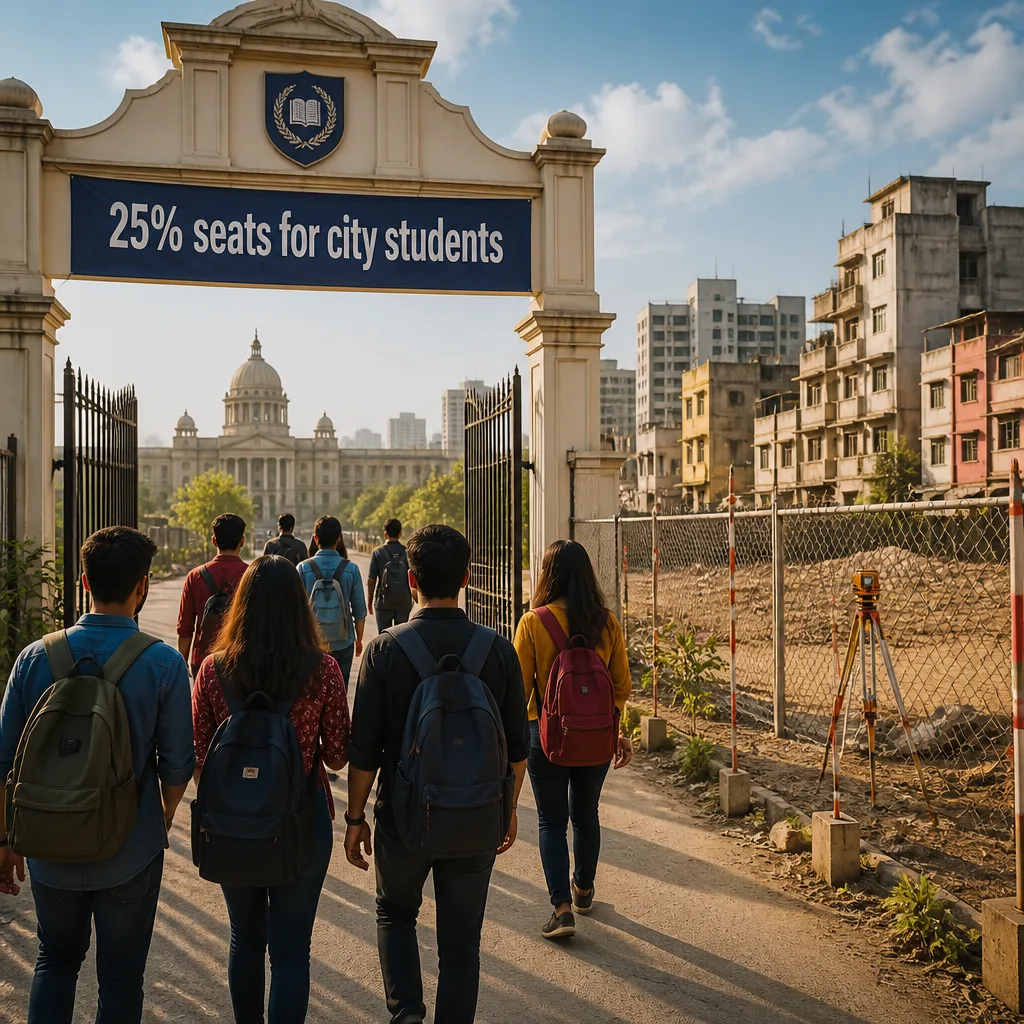
- Reservation of 25 per cent of seats in every course for students domiciled in Delhi.
- Creation of the Delhi Private Universities Regulatory Authority to oversee teaching standards, research, governance, examinations and overall university performance.
Until now, new private campuses serving Delhi’s student population were largely established in adjoining jurisdictions such as Haryana and Uttar Pradesh, which enacted their own private university laws and attracted students by virtue of proximity to the capital. For example, the University of Southampton’s Delhi campus that opened in 2025 is located in Gurugram, part of the National Capital Region rather than within Delhi municipal limits.
Why the bill matters
Higher education specialists say the bill could shift student flows and alter the competitive landscape. Eldho Mathews, programme officer at the Kerala State Higher Education Council, noted the potential for the capital to retain a larger share of Delhi students who currently move to neighbouring cities to pursue degree courses.
“A significant number of Delhi students currently move to neighbouring cities to pursue higher education,” Mathews said. “Establishing private universities in Delhi could help retain a larger share of this student population.”
Proponents argue that universities based within the city will be able to leverage Delhi’s proximity to national research institutions, central ministries, think-tanks, multinational corporations and major research organisations — advantages that could strengthen research, policy, innovation and industry linkages.
Constraints and questions
Caution has been voiced over practical constraints. Delhi is among the world’s most densely populated cities, with a reported density exceeding 11,000 people per square kilometre, raising questions about land availability, campus space and associated infrastructure for new universities. The draft bill does not, in the published summaries, specify land allocation mechanisms or greenfield campus norms.
Neighbouring states that have attracted campuses so far — notably Haryana and Uttar Pradesh — may face competitive pressure if more private universities locate inside Delhi. The draft legislation’s domicile reservation is likely to be a significant factor in admissions planning and capacity calculations for both new and existing institutions serving the capital region.
Next steps for the bill
The cabinet-approved draft must now be tabled and passed by the Delhi Legislative Assembly before it becomes law. The regulatory architecture proposed under the bill would also need staffing and procedural rules, and universities intending to set up campuses will await clarity on land policy, approvals, and the modalities of the new regulator’s oversight.
Students and parents seeking authoritative details, including the full text of the draft bill and timelines for legislative consideration, should consult the Government of Delhi’s official website and the Assembly’s notifications for the bill, once published.
| Item | Detail |
|---|---|
| Seat reservation for Delhi students | 25% of places in every course |
| Regulatory body | Delhi Private Universities Regulatory Authority (proposed) |
| Example of existing campus outside Delhi | University of Southampton’s Delhi campus (opened 2025) located in Gurugram |
The proposed law has the potential to retain more students within Delhi and to reshape university-industry-government linkages in the national capital. Lawmakers, higher education authorities and prospective private institutions will need to resolve practical issues around space, infrastructure and regulatory processes as the bill moves through the Assembly.