
Approved funds, limited action: preparedness gaps for potentially dangerous lakes
Recent disasters in Tibet and Nepal have renewed scrutiny on Uttarakhand's glacial lakes, where experts warn a sudden release of water from mountain lakes could cause destructive downstream flooding. The state hosts roughly 426 glacial lakes, of which 13 have been classified as potentially dangerous by the National Disaster Management Authority (NDMA), and five of those are considered at risk of a Glacial Lake Outburst Flood (GLOF).
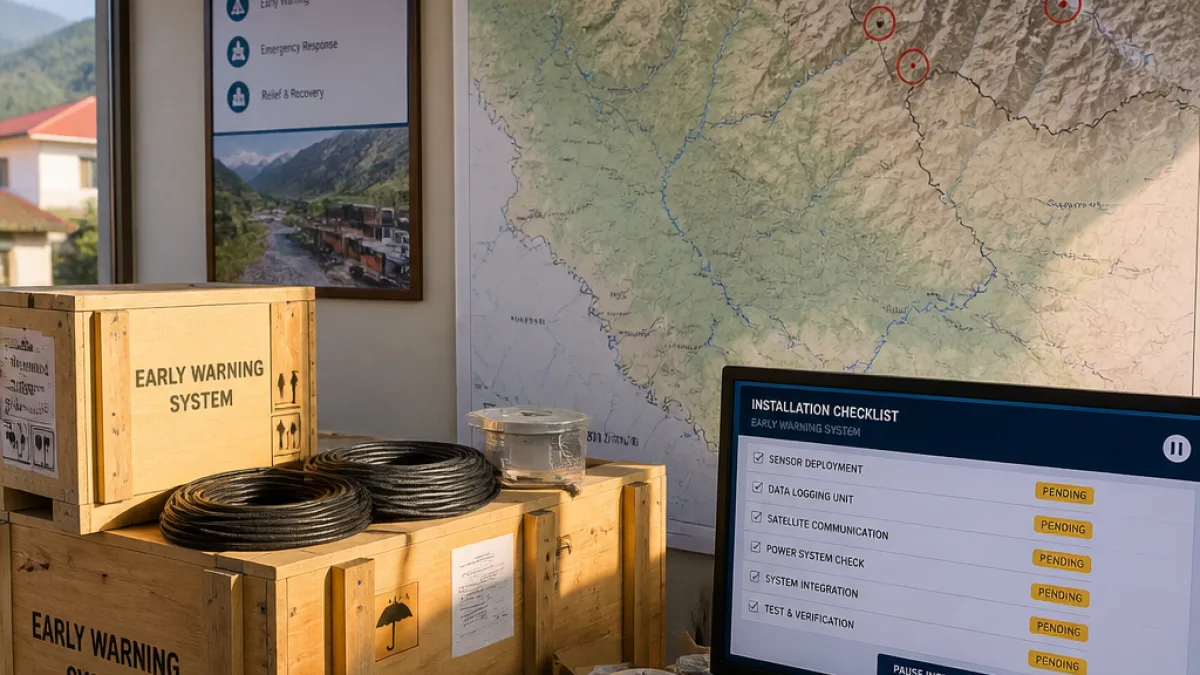
The Central government has approved approximately ₹30 crore for installing early-warning systems at sensitive lakes in Uttarakhand; about ₹8.10 crore of that amount has been released. Despite the allocation, work on setting up monitoring networks and installing specialised equipment has yet to begin at several locations, due to technical and logistical challenges, according to the reporting.
Which lakes and districts are identified as vulnerable
Officials and scientists have pointed to specific high-risk sites and districts where the consequences of any sudden lake breach would be most severe. The sensitive lakes named in recent assessments include Vasundhara Tal and Mabang. Districts identified as highly vulnerable to potential GLOFs include Chamoli (site of Vasudhara and Saraswati Tal), Uttarkashi (Kedartal) and Pithoragarh (Nagkund and Mawang Piyugu).
| Item | Figure / names |
|---|---|
| Total glacial lakes in Uttarakhand | 426 |
| Lakes classified as potentially dangerous (NDMA) | 13 |
| Lakes facing GLOF threat | 5 |
| Central allocation for early-warning systems | ₹30 crore (approx.) |
| Amount released so far | ₹8.10 crore |
Why installation has lagged behind approvals
Sources point to several hurdles delaying deployments: the steep, remote terrain complicates transport of equipment; establishing reliable communications links is difficult at high altitude; and weather extremes can interrupt both installation and maintenance. Technical challenges in adapting monitoring devices to Himalayan conditions have also been cited.
- Logistics: moving sensors, power supplies and communication gear to remote high-altitude sites.
- Connectivity: ensuring real-time data transmission from rugged mountain basins.
- Weather and access: narrow seasonal windows for on-site work due to snow and rains.
Plans discussed earlier envisaged installing specialised monitoring instruments at specific sensitive lakes, but the timetable for field deployment remains unclear. Experts say the combination of incomplete installations and limited field-testing of systems raises questions about the chain from detection to community warning.
Potential downstream impacts and the need for integrated preparedness
A GLOF can rapidly change river flows, releasing large volumes of water and debris downstream within minutes to hours. Such events threaten communities, infrastructure and agriculture along river valleys and can compound the impact of concurrent hazards such as landslides.
Scientists and disaster-management practitioners stress that early-warning hardware is only one element of preparedness. Equally important are:
- clear evacuation plans for downstream communities,
- regular drills and public awareness campaigns, and
- maintenance and redundancy in communication networks to ensure warnings reach at-risk populations promptly.
While the recent allocation of funds demonstrates official recognition of the risk, the partial release of money and slow pace of on-ground work mean the state remains exposed if a rapid-onset glacial event occurs before systems are fully operational.
What experts say about monitoring and next steps
Researchers who study Himalayan glaciology and flood risks have urged accelerated field deployments and independent verification of installed systems once they are in place. They also recommend prioritising sites where lake geometry, moraine stability or recent rapid changes in water level indicate elevated short-term risk.
Given the strategic nature of downstream settlements and infrastructure, coordinating monitoring, early-warning and evacuation plans across district and state agencies is likely to be crucial. The recent disasters in neighbouring high-mountain regions have underlined how transboundary and regional events can sharpen local vulnerabilities, prompting calls for expedited action.
Until monitoring equipment and communication lines are installed and tested at the identified lakes, officials and communities downstream will need to rely on interim measures such as enhanced patrolling, community awareness and ready evacuation protocols to reduce potential loss of life and property.












