Monsoon downpours threaten local roads, drains and hill slopes
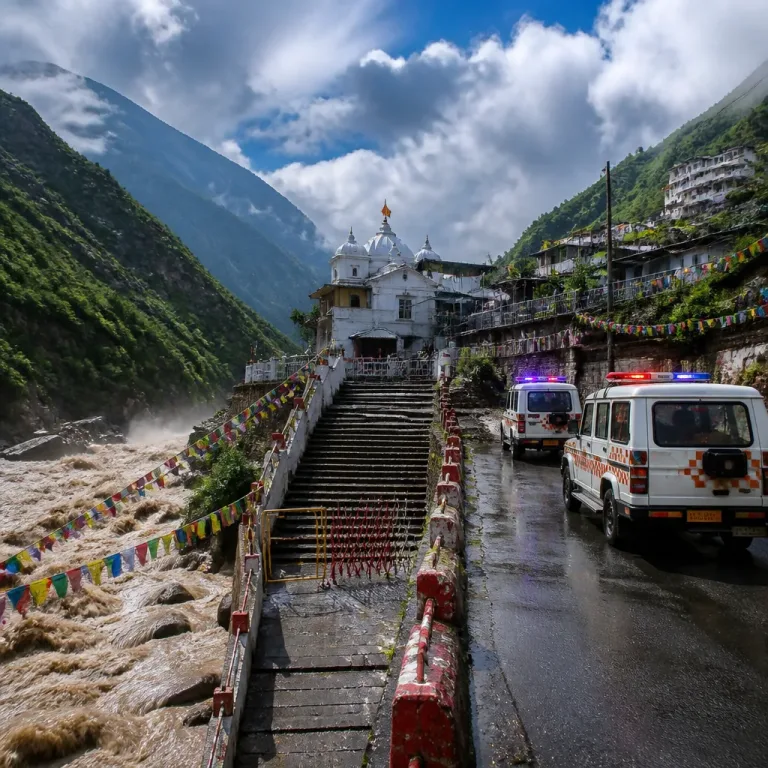
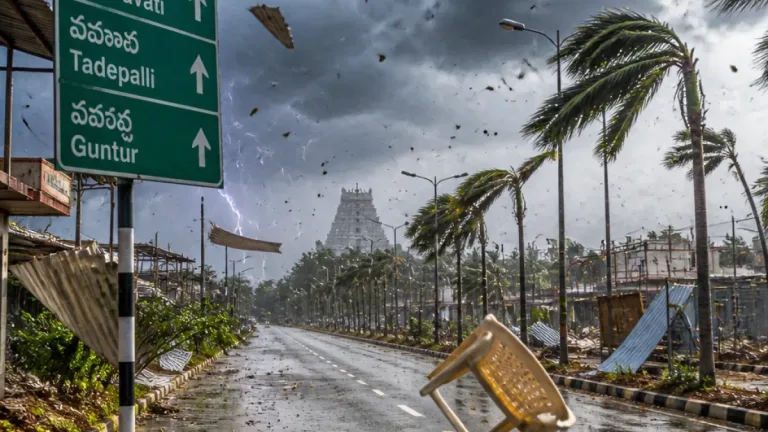
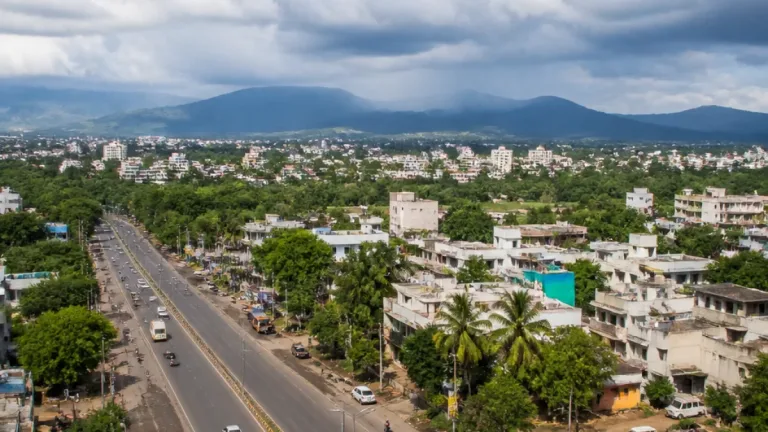
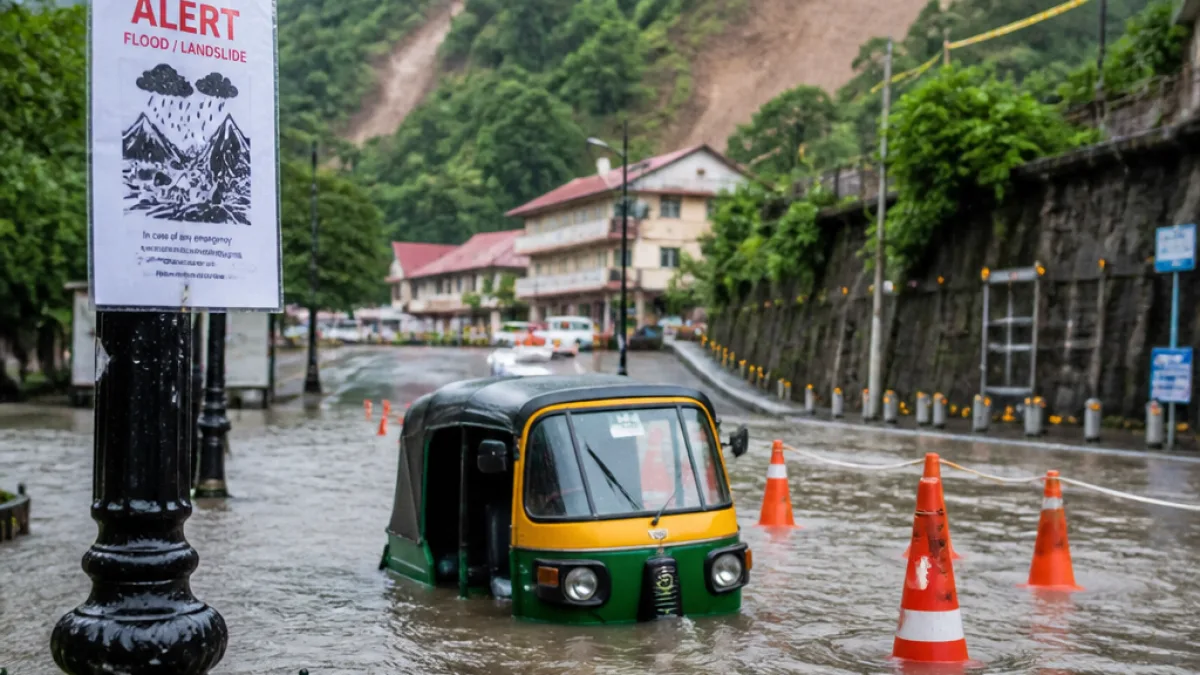
Dehradun is on alert as the monsoon continues to deliver periods of intense rainfall that may cause temporary waterlogging, poor visibility on highways and raise the risk of landslides in vulnerable hill areas. The combination of humid monsoon air and moisture being forced upward by the Himalayan foothills has produced repeated spells of heavy rain, according to official advisories and local reporting.
Local authorities have advised residents, commuters and tourists to keep a close watch on official weather information and follow the directions of the local administration before undertaking travel through vulnerable zones. The warnings are particularly relevant for low-lying neighbourhoods within the city and for roads linking Dehradun with hill stations such as Mussoorie, where heavy showers can quickly make driving hazardous.
Where the risks are highest
- Urban low-lying areas: temporary waterlogging and flooded drains can disrupt local movement and services.
- Roads to hill destinations: reduced visibility and flowing water across carriageways can make driving dangerous.
- Hillsides and slopes: saturated ground increases the chance of landslides on unstable slopes near inhabited areas and roads.
Authorities generally advise avoiding unnecessary journeys during severe weather periods and staying away from rivers, streams and rapidly flowing drains. The advisories underline that heavy showers may develop with little warning over the Himalayan foothills, meaning conditions can change quickly in restricted areas.
Residents and tourists should follow official weather updates and local administration advisories before travelling through vulnerable areas, the advisory said.
Infrastructure and longer-term concerns
Reports note that intense rainfall events are exposing structural weaknesses in drainage and urban planning. Rapid development, particularly in hill-edge settlements, can put extra pressure on existing drains and watercourses, increasing the possibility of waterlogging and localised flooding during heavy downpours. Officials and planners are being urged to give greater attention to climate-resilient drainage and slope management.
| Concern | Immediate effect |
|---|---|
| Heavy rainfall | Waterlogging, poor visibility, hazardous driving |
| Swollen streams and drains | Localised flooding, interrupted commutes |
| Saturated slopes | Elevated landslide risk |
Officials and weather analysts have also pointed to a broader context: changing climate patterns are making extreme rainfall events more frequent and less predictable. In Dehradun's geography — where moist monsoon winds are forced upward by the hills — rain can concentrate over small areas, producing intense local showers.
Practical guidance from the advisories includes staying informed via official forecasts, avoiding travel during severe weather where possible, and keeping clear of flowing watercourses. Motorists are urged to take extra care when visibility falls and to avoid attempting to cross roads with fast-flowing water.
For residents, the situation highlights the need for preparedness at the household and neighbourhood level: clearing storm drains where safe to do so, keeping emergency numbers handy and following local administration instructions during heavy rainfall episodes. For planners, the current spell of rain reinforces calls for investment in robust drainage, slope stabilisation and land-use measures that take extreme weather into account.
Officials continue to monitor conditions and will issue further advisories as the situation evolves. Residents are asked to heed local warnings and prioritise safety during the ongoing monsoon season.