Beijing on Wednesday described the India-China border situation as "generally stable", a remark that comes amid reports of heightened tensions in parts of Arunachal Pradesh and after the two sides held the latest round of the bilateral border consultation mechanism. Chinese foreign ministry spokesperson Guo Jiakun made the comment at a media briefing, while New Delhi has said maintaining peace along the Line of Actual Control is of "utmost importance".
What Beijing said
Mr. Guo, responding to questions about social media videos and recent reporting that suggested an increase in Chinese military activity in Arunachal Pradesh, said the two countries had met under the Working Mechanism for Consultation and Coordination on China-India Border Affairs (WMCC). The foreign ministry statement noted the sides "agreed to maintain communication via diplomatic and military channels and jointly uphold peace and tranquility in the border areas."
Indian response and local reports
New Delhi has publicly emphasised the need for peace along the border. External Affairs Ministry spokesperson Randhir Jaiswal earlier described maintenance of tranquillity in border areas as being of "utmost importance", without denying reports of recent tensions.
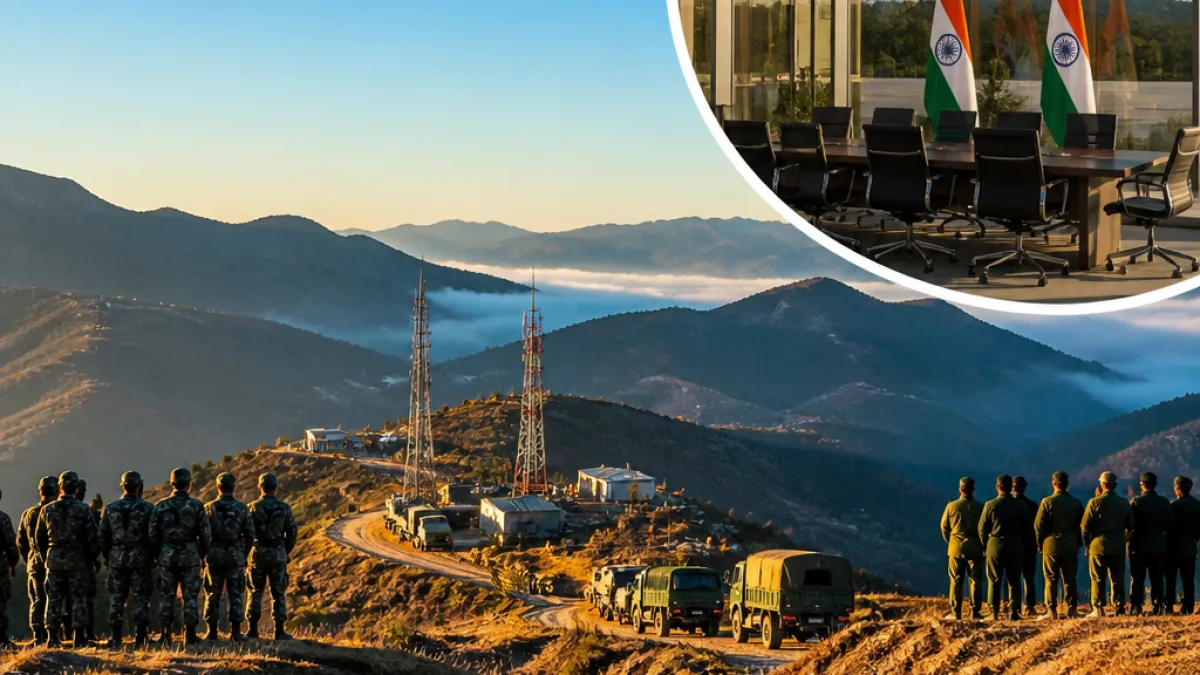
Media reports and unnamed sources have said problems surfaced in the remote Taksing area of Upper Subansiri district in late July, with alleged face-offs between Indian and Chinese troops. Specific locations cited in reporting include Pukar La and Ollo in the Taksing circle. The Indian side has not publicly confirmed operational details, and state authorities have said they are seeking verification with military and local agencies.
“The China-India border situation is generally stable at the moment,” Guo Jiakun said, adding that last week the two sides had held the 36th meeting of the WMCC.
Background: mechanisms and past tensions
The WMCC is one of several institutional mechanisms the two countries use to manage border matters. The statement that the 36th WMCC meeting took place reflects ongoing diplomatic engagement aimed at avoiding misperception and inadvertent escalation. Relations between India and China suffered a serious setback after the 2020 military face-off in eastern Ladakh, and both sides have since employed military and diplomatic channels to prevent a repeat of that crisis.
- Mechanism invoked: 36th meeting of the WMCC.
- Areas of reported concern: Taksing area, including Pukar La and Ollo in Upper Subansiri.
- Public statements: Chinese foreign ministry called situation "generally stable"; MEA stressed the importance of peace and tranquillity.
Local impact and official posture
Arunachal Pradesh lies along a sector of the LAC where claims overlap and patrols sometimes confront one another. Officials say that the undemarcated nature of the boundary can create situations where patrols come into proximity and require de-escalation through established protocols. Indian security forces, including the Army and the Indo-Tibetan Border Police, routinely conduct patrolling and surveillance in forward areas.
At the state level, Chief Minister Pema Khandu had earlier said he would confirm reports of any incursion with the Army and local bodies, signalling coordination between the civil administration and defence establishments. No formal confirmation of a incursion has been issued by military authorities in New Delhi.
What remains unclear
Publicly available material does not disclose operational details, timelines or the scale of the reported incidents. Independent verification of social-media footage and media reports remains limited, and both governments emphasise dialogue through diplomatic and military channels to avoid misunderstanding.
| Item | What is known | What is not publicly confirmed |
|---|---|---|
| WMCC meeting | 36th meeting held; both sides agreed to maintain communication | Details of discussions and any operational outcomes |
| Reported incidents | Media and unnamed sources cite face-offs in Taksing, Pukar La and Ollo | Official confirmation of incursions, troop movements or clashes |
Analyst and public interest angles
For Arunachal Pradesh residents and border populations, statements from Beijing and New Delhi affect perceptions of security and the immediate posture of local administration. Continued use of the WMCC and other channels aims to reduce the risk of miscalculation, but the absence of detailed official accounts leaves space for speculation and concern locally. Authorities on both sides have repeatedly said that dialogue and established protocols are the preferred means to address frictions along the undemarcated frontier.
As reporting develops, official clarifications from the Army, the Ministry of External Affairs or state administration would provide firmer information on any incidents, response measures and implications for patrol patterns along the Arunachal sector of the LAC.