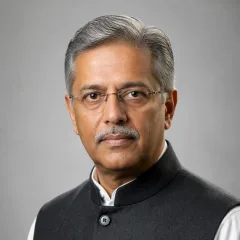
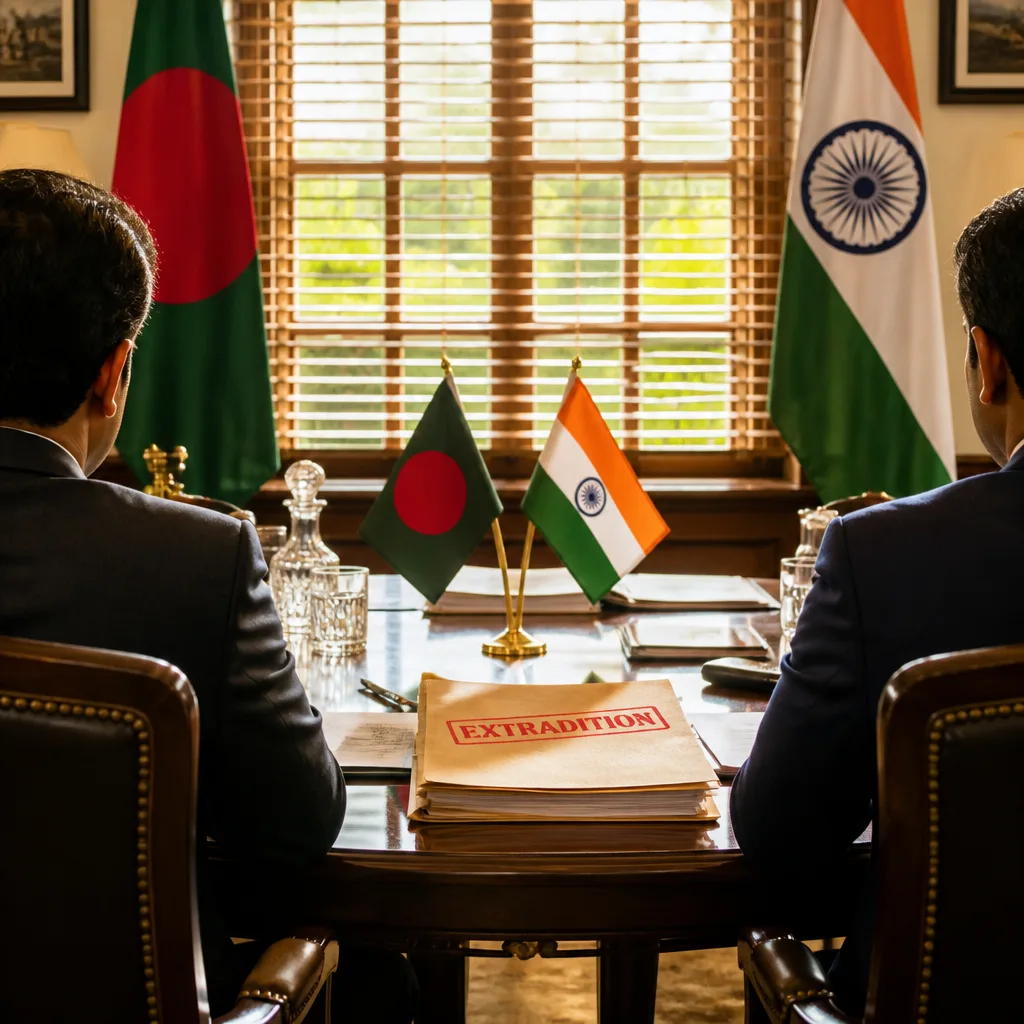
Bangladesh Prime Minister Tarique Rahman on Monday pressed New Delhi to create a "conducive environment" for deeper bilateral ties and urged India to expedite Dhaka's request for the extradition of former prime minister Sheikh Hasina, according to reporting of the meeting with Indian High Commissioner Dinesh Trivedi.
Diplomatic pitch amid ongoing legal process
Rahman's comments, made during a meeting with the Indian envoy, marked his first public appeal since taking office to improve the atmosphere for India-Bangladesh relations, the report said. The meeting comes as Dhaka seeks Hasina's return following her media engagements while on Indian soil, and as India reviews the extradition request within its legal framework.
The discussions underscore the delicate balancing act between bilateral diplomacy, domestic political pressures in both capitals and the constraints of international and national legal procedures. India is said to be examining the request according to its established legal processes, the report added.
Context and consequences
Relations between India and Bangladesh have significant strategic, economic and security dimensions, involving cross-border trade, river water management, migration and regional security cooperation. A request by Dhaka to extradite a former head of government places these routine interactions into a more sensitive political arena.
If India accepts and processes the extradition request, it would trigger a formal legal procedure under Indian law that evaluates whether the request meets the requirements of extradition treaties and domestic legal safeguards. Conversely, a prolonged review or refusal could exacerbate political tensions and complicate cooperation on issues of mutual interest.
Officials in New Delhi have not made public statements about the meeting; the report said India is reviewing Bangladesh's request "according to its legal framework". The narrative in Dhaka emphasises the need to re-establish stable ties while also seeking legal remedies for what it frames as politically consequential actions by Hasina.
- Key actors: Bangladesh Prime Minister Tarique Rahman; Indian High Commissioner Dinesh Trivedi; former Bangladesh PM Sheikh Hasina.
- Demand: Dhaka has requested India to extradite Hasina after her media appearances in India.
- Indian position: Reported to be reviewing the request within its legal framework; no official public ruling reported yet.
| Issue | Status (as reported) |
|---|---|
| Diplomatic engagement | Meeting between Tarique Rahman and Dinesh Trivedi occurred; call for improved bilateral atmosphere |
| Extradition request for Sheikh Hasina | Submitted by Dhaka; under review in India as per legal procedures |
Analysts caution that extradition matters are rarely decided on political grounds alone. They involve document verification, judicial scrutiny and treaty obligations. Any decision by India will therefore need to balance legal criteria with diplomatic implications.
For Dhaka, pressing the extradition serves two objectives: pursuing alleged legal accountability tied to Hasina's actions and signalling to domestic constituencies that the government is taking decisive steps. For New Delhi, the choice involves managing a long-standing neighbourly relationship while adhering to rule-of-law processes applicable to all international legal requests.
The meeting and the extradition request occur against a backdrop of broader political dynamics in Bangladesh and in the subcontinent, where domestic politics can quickly spill over into bilateral engagements. The report noted the meeting as part of Rahman's wider effort to build stable relations with India since assuming office, while also addressing politically sensitive matters.
There was no immediate confirmation from the Indian government about any timeline for processing the request, and the report included the note "with inputs from agencies." Both capitals may opt for quiet diplomacy in the coming days as legal and diplomatic channels handle the matter.
Developments will be closely watched in Dhaka and New Delhi given the potential implications for regional cooperation and bilateral projects that rely on mutual trust and coordination.