New Delhi: As India marks eight decades of independence, a recent editorial reflecting on the nation’s trajectory said the country can legitimately take pride in its scientific, defence and economic accomplishments but warned that democratic health requires urgent attention to social fraternity, institutional balance and electoral purity.
Achievements recorded, worries flagged
The editorial noted that India has advanced in areas such as technology, defence capability and its role on the global stage, while also underlining long-standing social and political challenges. It cautioned that the persistence of communal tensions, widening socioeconomic disparities and the erosion of institutional restraints threaten the inclusive character of the republic.
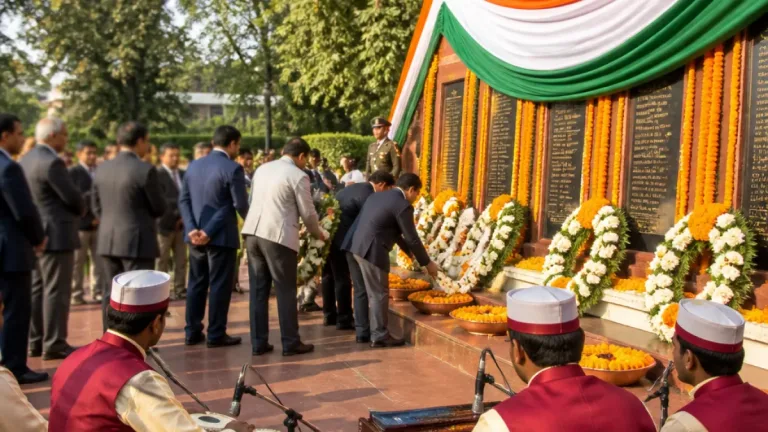
"A subject nation rose to freedom to embark upon its ‘tryst with destiny' and found its soul in the promised freedom and dignity of a people"
The piece framed these developments as part of an objective audit of the nation’s democratic project at 80 years, saying that pride in national achievements must be balanced with sober assessment of deficits in fraternity and governance.
Key concerns highlighted
- Fractured social cohesion: The editorial argued that political and social processes have produced an ‘othering’ of sizeable sections of citizens, undermining constitutional fraternity.
- Institutional overreach: It expressed concern about the blurring of boundaries between constitutionally co-equal branches and noted strained Centre-State relations as an unwelcome trend for federal governance.
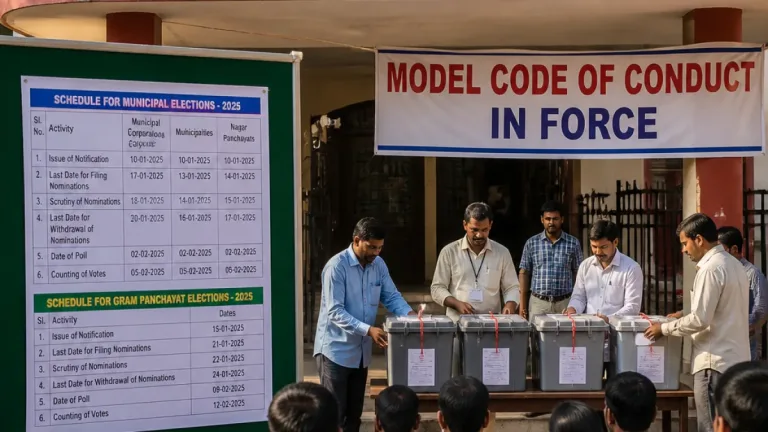
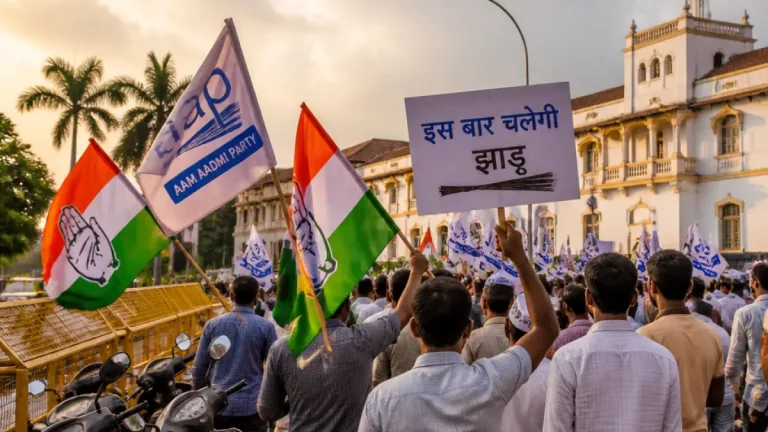
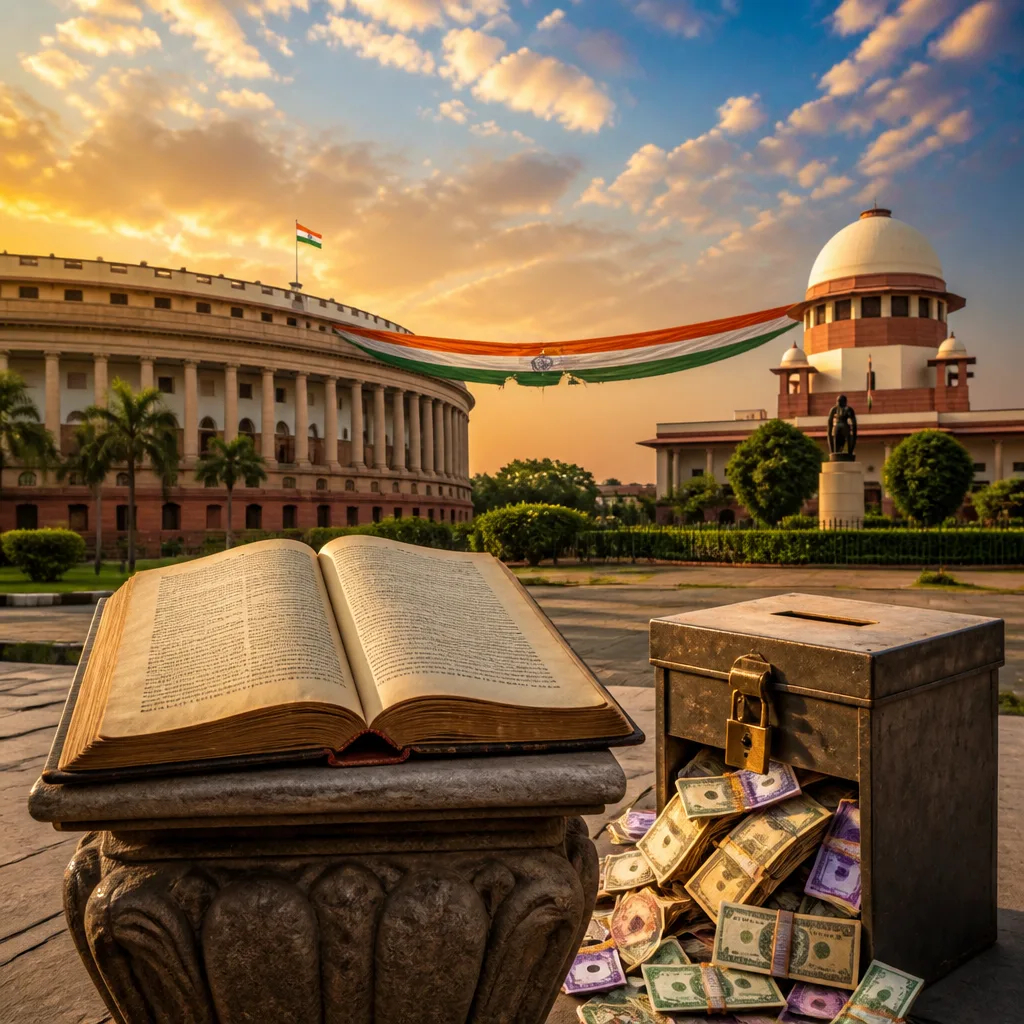
- Electoral integrity: The piece warned about the influence of money, muscle power and an accommodating bureaucracy on electoral outcomes, saying these undermine voter autonomy and cast doubts on the purity of elections.
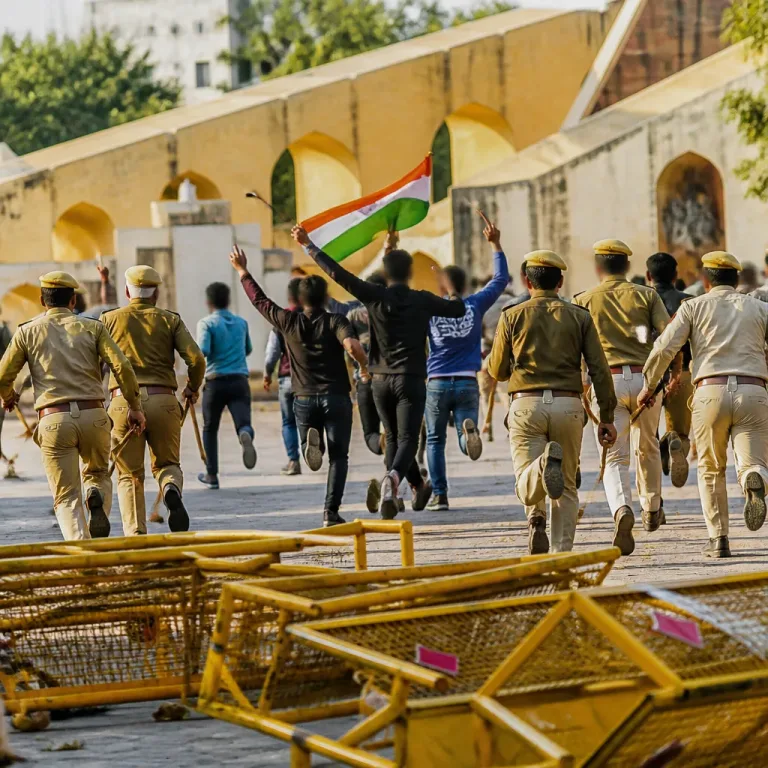
The editorial also drew attention to a political culture it described as prioritising acquisition and retention of power by any means, including suppression of opponents and harassment of dissenting voices.
Context and implications
Analysts say the issues raised cut across institutional design, political behaviour and civic space. Strained relations between the Union and States, if persistent, could complicate policy implementation and public service delivery, particularly in areas such as health, education and disaster response that require cooperative federalism.
Concerns about electoral influence echo long-standing debates over campaign finance, candidate criminalisation and the role of state machinery during elections. Remedies proposed in public debate include stronger enforcement of existing laws, electoral financing reform and measures to insulate administrative processes from partisan pressure.
| Area | Observed strength | Observed weakness |
|---|---|---|
| National capabilities | Science, technology, defence | Not directly affected |
| Democratic health | Historic constitutional framework | Fractured fraternity, institutional strain, electoral influence |
Those who defend the current political trajectory counter that strong central coordination has enabled rapid policy action and national projects in areas such as infrastructure, energy and strategic capability. They argue that visible development outcomes have broadened support for decisive governance.
Conversely, civil society groups and opposition figures contend that sustained political competition and vigorous decentralisation are essential to protect rights, pluralism and local governance. They say institutional checks and the space for dissent are necessary complements to development objectives.
Way forward
The editorial urged a renewal of the spirit that underpinned the founding constitutional compact: commitment to dignity, equality and fraternity alongside respect for constitutional limits. It suggested that remedying the identified deficits will require both political will and civic engagement — from legislative reform on electoral matters to renewed respect for federal norms and safeguards for dissent.
At 80, the piece concluded, the nation stands at a moment of choice: to consolidate gains in capability while restoring the habits of democracy that secure rights and fraternity, or to risk a gradual erosion of the constitutional order that made modern India possible.