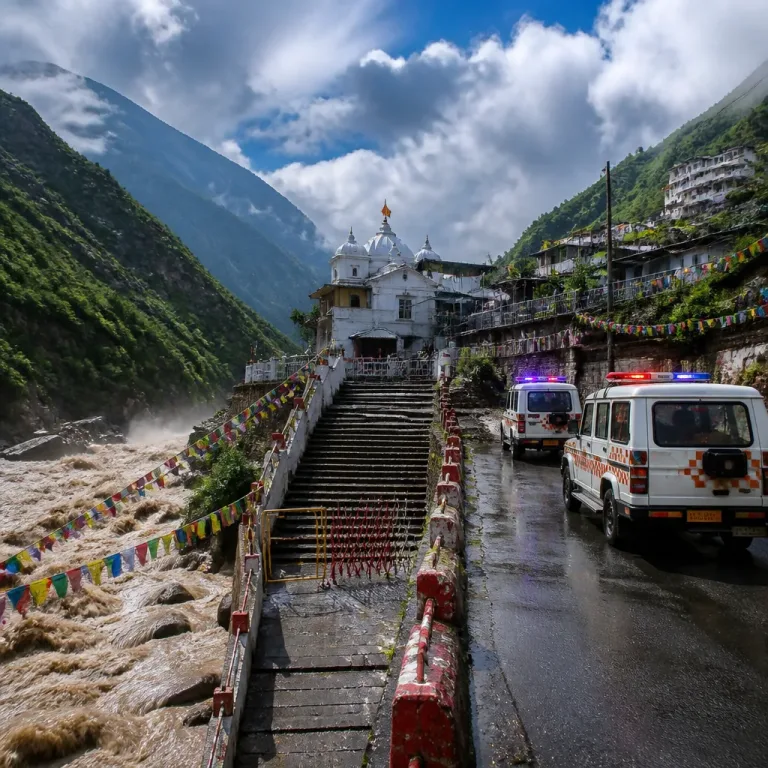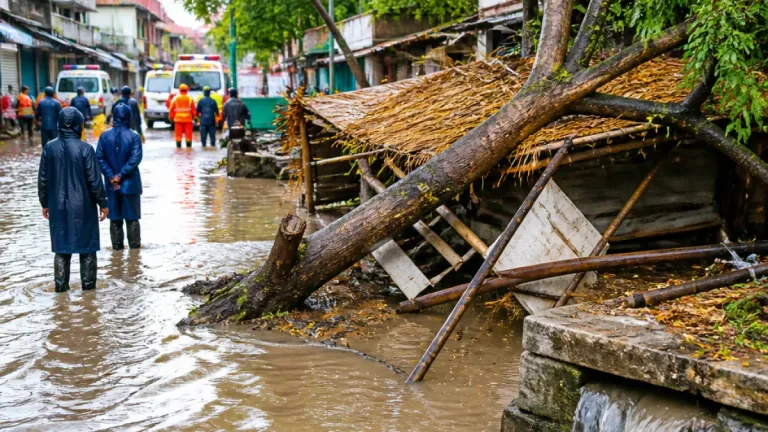

The flood situation in Assam remained critical on Wednesday, with state authorities reporting that more than 1.12 lakh people are affected across four districts and weather offices forecasting additional rainfall in several already inundated areas.
Rivers above danger level; Golaghat worst affected
According to the Assam State Disaster Management Authority (ASDMA), no new deaths were reported on Wednesday and the overall toll from this season's floods stands at 101. The Dhansiri at Numaligarh in Golaghat and the Kushiyara at Sribhumi were both recorded flowing above danger marks, increasing the risk of flooding in downstream areas.
ASDMA's daily bulletin put the number of people affected at 1,12,700+ across Golaghat, Jorhat, Nagaon and Sivasagar districts. Golaghat is the worst-hit district with over 65,000 people affected, followed by Sivasagar (nearly 20,000) and Nagaon (more than 16,000).
| District | People affected (approx.) |
|---|---|
| Golaghat | 65,000+ |
| Sivasagar | ~20,000 |
| Nagaon | 16,000+ |
| Jorhat | Included in overall totals |
Relief efforts and material distribution
The administration is operating 92 relief camps and relief distribution centres across five districts and has provided assistance to 30,205 persons so far. In the preceding 24 hours, ASDMA reported distribution of food supplies and essentials as follows:
- 420.32 quintals of rice
- 74.72 quintals of dal
- 22.42 quintals of salt
- 2,058.95 litres of mustard oil
At least 441 villages remained inundated and agricultural losses were significant, with 10,879.03 hectares of cropland reported damaged across the state. Flooding has also impaired embankments, road links, bridges and other infrastructure in several districts, complicating relief logistics.
Weather outlook and warnings
The India Meteorological Department's Guwahati centre issued forecasts of thunderstorms with lightning and moderate to heavy rain for parts of eastern Assam. Districts named in the advisory include Charaideo, Dibrugarh, Jorhat, Sivasagar and Tinsukia, where pulse rainfall could exacerbate riverine flooding and trigger fresh inundation in low-lying areas.
ASDMA officials urged residents to keep away from swollen riverbanks and low-lying riverine tracts, particularly near the Dhansiri at Numaligarh where water levels have continued to rise.
Impact on communities and agriculture
Local administrations in affected districts have mobilised resources to move vulnerable families to safer locations and run temporary shelters. The damage to standing crops raises concerns for rural livelihoods ahead of the harvest season. With paddy and other Kharif crops already under stress from standing water, agricultural recovery will depend on how long fields remain submerged and on the accessibility of seeds and inputs for replanting.
Road and bridge damage has impeded access to some remote habitations, slowing distribution of relief materials. Authorities continue to prioritise the restoration of critical links and the supply of drinking water and sanitation facilities at relief camps.
What residents should note
- Stay informed through local administration advisories and official ASDMA bulletins.
- Avoid riverbanks and flooded roads; moving water and submerged bridges are hazardous.
- If displaced, register at nearest relief centre to receive food, shelter and medical support.
State agencies and district administrations are coordinating with meteorological authorities to monitor river behaviour and rainfall trends. Relief distribution and rescue preparedness remain active as forecasters warn of further rain in the region.
Reporting from Assam.