Authorities assess vulnerable slopes after heavy rain triggers landslides
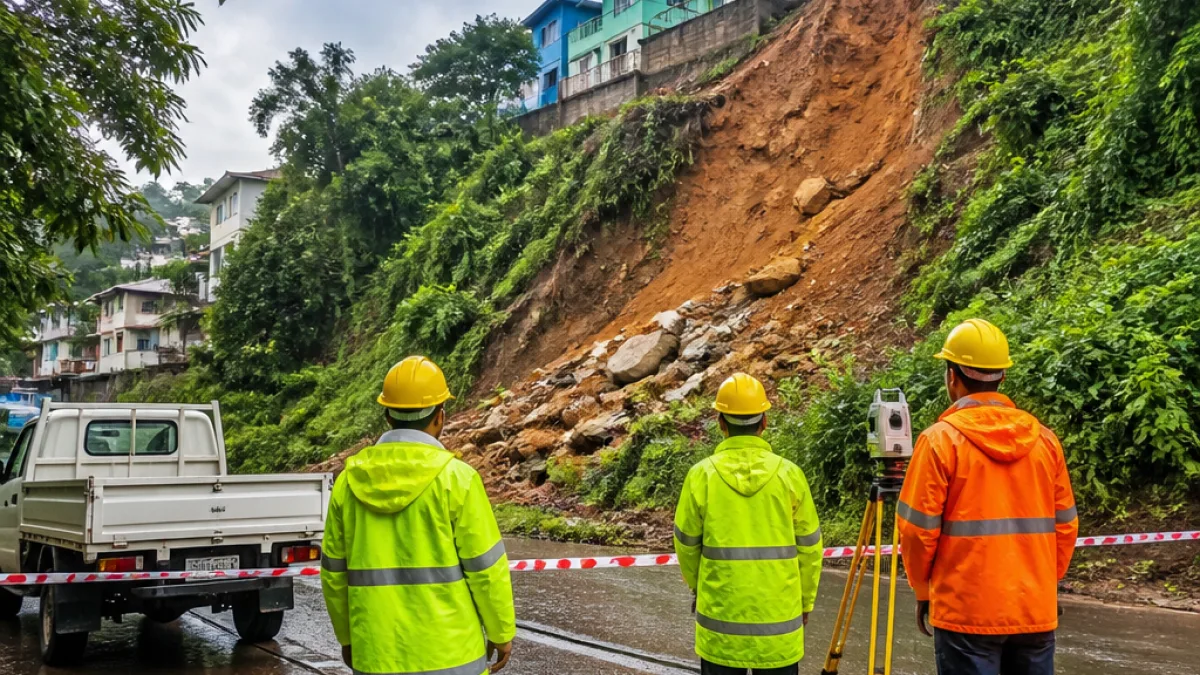
Guwahati authorities have begun a concentrated assessment of hill slopes across the city after heavy rain on Saturday evening triggered landslides at multiple locations, including Kharguli and Chandmari. Officials said there were no casualties or reports of damage to houses, and debris was cleared soon after the incidents.
Kaustav Talukdar, project officer with the District Disaster Management Authority (DDMA), said teams were conducting on-site inspections to determine the immediate causes and to identify areas at higher risk. According to the DDMA official, landslides rarely happen without contributory factors and residents in hilly zones face a continuous exposure to risk during the monsoon.
"We have begun assessing the affected areas to determine the causes of the landslides. Such landslides do not occur on their own, and people residing in hilly areas are always exposed to a certain degree of risk,"
An official of the district administration noted that Kharguli has already experienced three landslides this monsoon and remains particularly vulnerable because of its undulating terrain. The official added that previous incidents linked to earth cutting on hillsides had been addressed through corrective measures, but prolonged rainfall can saturate soil, weaken slopes and trigger fresh movement of earth and debris.
Rainfall data and response measures
The India Meteorological Department (IMD) figure cited by officials reported 132 mm of rain in Guwahati up to Sunday, though the administration said the precise period covered by that number needs verification. Local response teams — including DDMA personnel and municipal workers — removed debris at the affected spots and kept watch on other susceptible locations.
| Location | Reported incident |
|---|---|
| Kharguli | Multiple landslides (three reported this monsoon); terrain described as undulating and vulnerable |
| Chandmari | Landslide reported; debris removed promptly |
Officials said teams will continue to monitor vulnerable slopes and respond to further rain-related incidents as needed. The administration emphasised the importance of avoiding earth cutting on hills and following guidance from municipal or disaster-management authorities for those living in higher-risk neighbourhoods.
- No casualties or house damage reported so far, according to authorities.
- Debris cleared swiftly after the landslides.
- Monitoring and assessment by DDMA and district administration is ongoing.
Local context and risks for residents
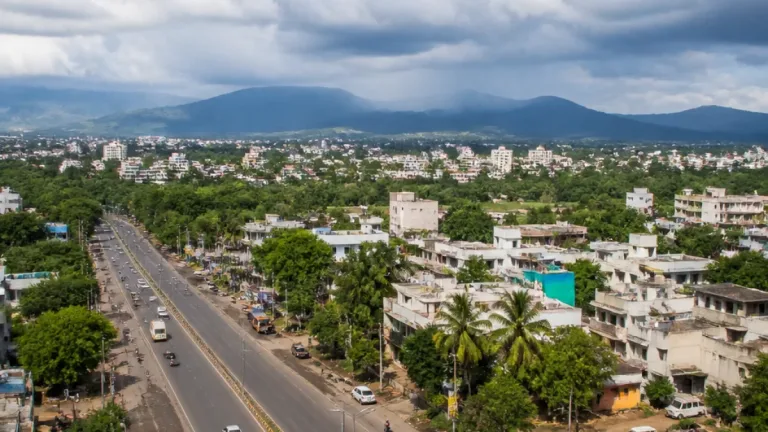
Guwahati's topography includes numerous hills and undulating areas that have long been sensitive to heavy monsoon rains. When soils become saturated after extended precipitation, the stability of slopes can be compromised — particularly in spots where natural cover has been disturbed by construction or earth cutting. While officials said steps have been taken in some areas to curb unsafe hill cutting, the recent incidents underline the continuing challenge of balancing urban expansion, local livelihoods and slope stability.
District and municipal teams are expected to prioritise immediate structural safety checks where required, clear drainage channels to reduce waterlogging near slopes, and issue advisories to residents in affected wards. Officials also mentioned that further verification of meteorological data is being sought to better coordinate response efforts based on rainfall intensity and duration.
Authorities urged residents in vulnerable neighbourhoods to remain alert during heavy spells, avoid approaching freshly disturbed slopes, and inform local ward offices or disaster teams if visible cracks, soil slips, or water seepage are noticed on hill faces.
Continued monitoring of vulnerable locations has been promised, with response teams on standby to attend to any fresh incidents as the monsoon progresses.