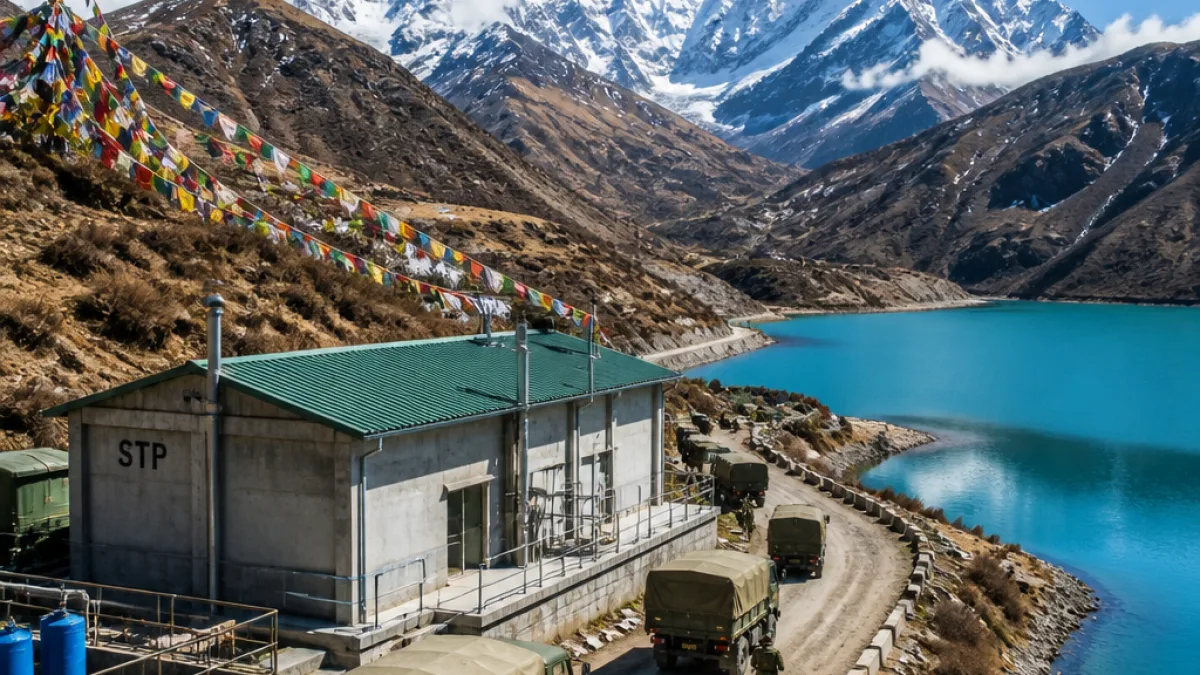
The Indian Army's Trishakti Corps on Monday commissioned a modern sewage treatment plant (STP) near Tsomgo (Changu) Lake in Sikkim at an altitude of 12,313 ft, officials said. The facility uses indigenous technology developed by the Bhabha Atomic Research Centre (BARC) and is intended to reduce the impact of wastewater on the lake and its surrounding fragile ecosystem.
Protecting a sensitive high‑altitude waterbody
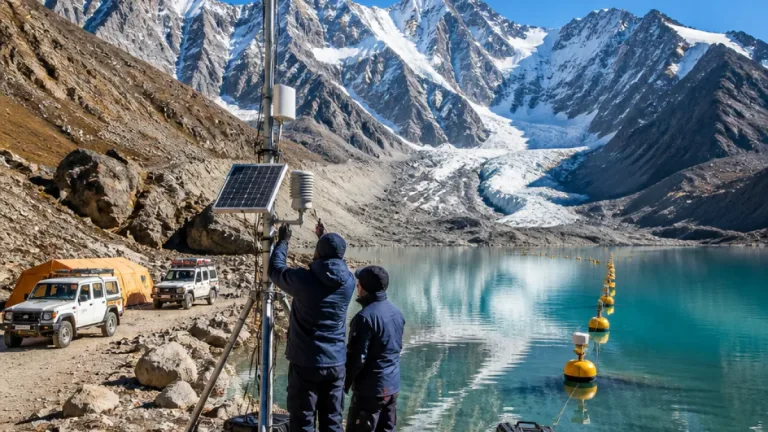
Tsomgo Lake is both culturally important to Sikkim's communities and a prominent tourist attraction. The Army said the new STP will ensure effective treatment of sewage generated in the area, thereby protecting vital water resources in an ecologically sensitive zone characterised by limited hydrological resilience and slow natural recovery processes.
Gnathang‑Machong MLA Pamin Lepcha inaugurated the facility in the presence of Army representatives and local stakeholders. The Army emphasised that the project combined technological intervention with community partnership to preserve the environment for future generations.
"Environmental stewardship and respect for local traditions are integral to our commitment to the people of the region. By combining indigenous technology with community partnership, this facility will help safeguard water resources and preserve the environment for future generations," a senior Army official said.
Technology and local application
According to the Army statement, the STP employs processes developed by BARC, indicating practical application of Indian scientific know‑how in a challenging, high‑altitude terrain. The precise configuration and treatment capacity of the plant were not disclosed in the statement.
Use of an indigenous system in such terrain is notable because high‑altitude sites present operational constraints including low temperatures, limited access to power and maintenance challenges. Appropriate design and local engagement are therefore critical to ensure sustained functioning and prevent untreated effluent from reaching the lake.
Implications for tourism, ecology and local communities
The project intersects three main local concerns:
- Ecology: High‑altitude lakes are sensitive to nutrient loading and contamination; untreated sewage can accelerate eutrophication and harm native flora and fauna.
- Tourism: Tsomgo Lake attracts visitors whose numbers can strain local sanitation infrastructure; treated wastewater reduces environmental footprint and helps maintain the lake's aesthetic and ecological value.
- Community relations: The Army framed the STP as part of a broader commitment to work with local stakeholders and respect cultural traditions tied to the lake.
Data at a glance
| Feature | Detail |
|---|---|
| Location | Tsomgo (Changu) Lake area, Sikkim |
| Altitude | 12,313 ft |
| Technology provider | BARC (indigenous technology) |
| Inaugurated by | Gnathang‑Machong MLA Pamin Lepcha and Army representatives |
Operational and accountability considerations
For the STP to deliver lasting environmental benefit, operators must ensure regular maintenance, monitoring and appropriate disposal or reuse of treated effluent and sludge. The Army statement did not specify which agency will be responsible for day‑to‑day operations or environmental monitoring, nor did it give timelines for performance audits or community consultation schedules.
Independent water quality monitoring and public reporting of discharge parameters would help build local trust and verify that the system is achieving intended outcomes. In sensitive ecosystems, even small operational lapses can undermine conservation gains.
Broader context
High‑altitude tourism centres across the Himalaya have increasingly turned to decentralised and low‑footprint sanitation solutions to protect limited water resources. The use of indigenous technology here underlines a policy preference for domestic innovation adapted to local conditions. However, replication at scale depends on demonstrable operational success and transparent data sharing.
The commissioning of the STP at Changu represents an important step towards reducing wastewater pressure on Tsomgo Lake. Continued collaboration between the Army, scientific institutions, local authorities and communities will determine whether the facility fulfils its conservation objectives over the long term.