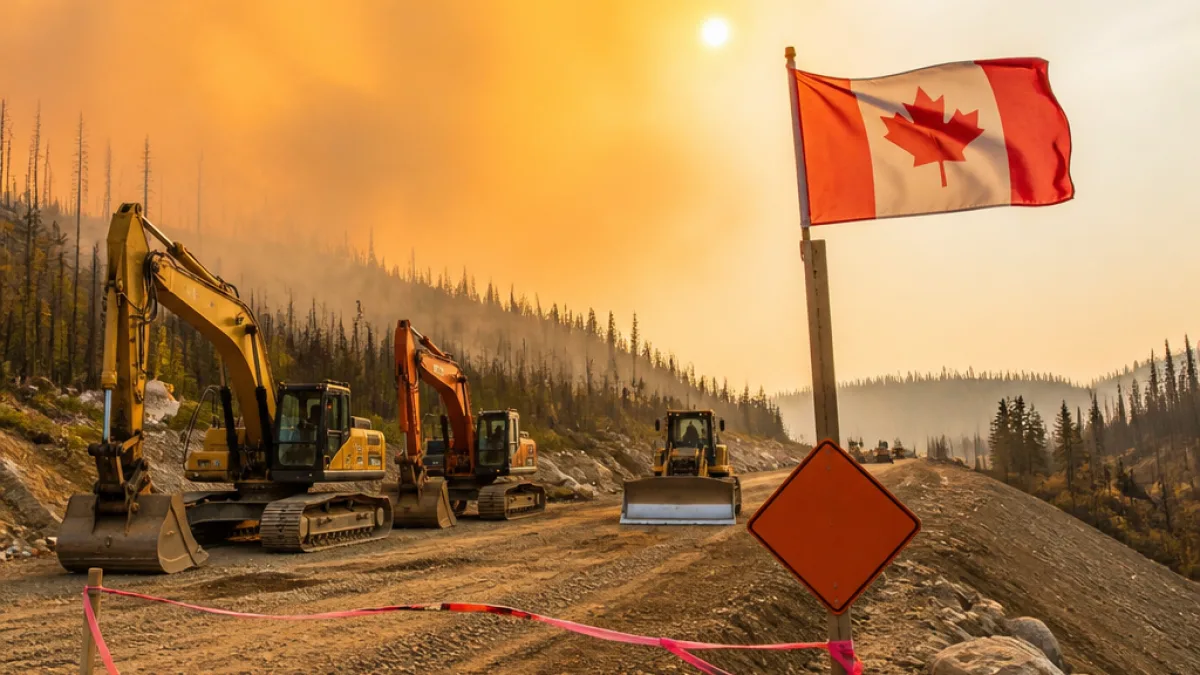
Longer fire seasons, larger blazes and thawing permafrost are increasingly constraining the already narrow construction season for the proposed Mackenzie Valley Highway, a climate researcher warned Wednesday, after federal officials said wildfire conditions this summer halted work on the project.
Wildfire risk forces pause in work
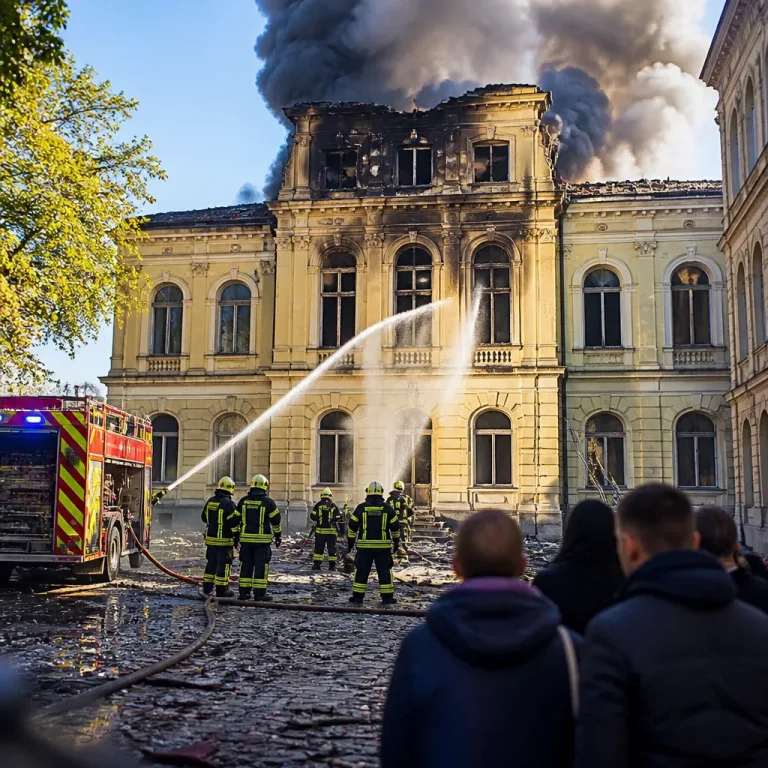
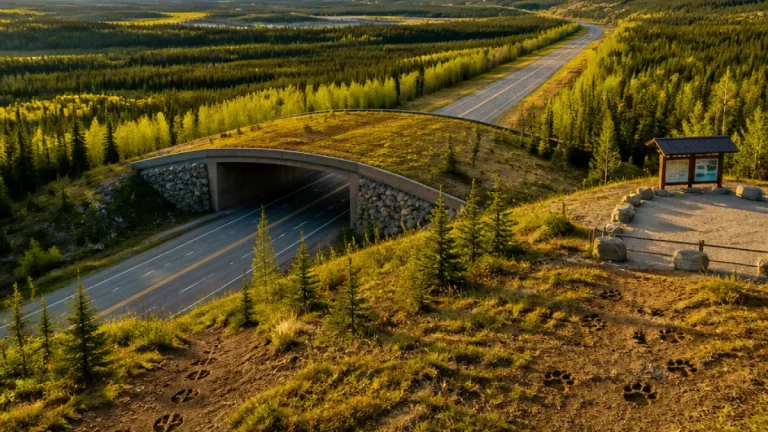
The federal office of the minister of transport told CBC News last month that wildfires in the territory reached such levels of danger that work will not proceed until conditions are safe. The proposed all‑season gravel road would stretch from Wrigley to Inuvik and is intended to link a number of remote communities in the Northwest Territories.
Ze'ev Gedalof, an associate professor and climate scientist at the University of Guelph, said the territory is seeing wildfire activity that appears to be the new normal.
“It’s starting to seem like this is just happening every year,”
Gedalof said two interlocking climate patterns are tightening the logistics window for major northern construction: a shorter winter ice road season that reduces the period for moving heavy materials, and a summer construction season now punctuated by increasingly frequent and intense wildfires.
Practical impacts on logistics and safety
Construction managers must coordinate delivery of bulk materials, fuel and machinery in a landscape where seasonal access hinges on frozen ground and ice crossings. Gedalof noted that with less time to move materials by winter roads, crews are under pressure to complete work during the summer months — precisely when wildfire risk is rising.
“If you’re dodging wildfires during construction season, it’s going to create a challenge,” Gedalof said. That assessment aligns with the federal statement that safety and security remain the top priority and that operations would remain suspended until wildfire conditions are under control.
Why the Mackenzie Valley Highway is vulnerable
The Mackenzie Valley Highway is a large, multi‑year infrastructure undertaking that depends on predictable seasonal windows for major civil work. The project is also sensitive to environmental change along several fronts:
- Wildfire activity — growing in frequency and size, undermining safe working conditions and access.
- Ice road seasons — shorter winters reduce the time to move heavy materials and equipment.
- Permafrost thaw — while not newly reported in this account, thawing ground is a known northern challenge that affects road stability and design.
Federal officials have already acknowledged that wildfire suppression and community response can prevent construction from proceeding. The pause this summer demonstrates how immediate and practical those impacts can be for large‑scale northern projects.
Broader implications for communities and planning
Delays to the highway do more than slow a construction schedule. For many communities, improved all‑season road access promises lower costs and more reliable transportation. When climate change crams more work into shorter windows, the cost of mobilizing crews and equipment can rise, and project timelines can stretch, affecting budgets and community expectations.
Engineers and planners working in the North already consider seasonal constraints in their schedules and designs. The evolving wildfire pattern adds another layer of uncertainty that will need to be factored into risk assessments, contingency plans and permitting timelines.
What comes next
The federal transport office has framed the suspension as a safety decision tied to wildfire control. The comment leaves open the prospect that work could resume once authorities deem wildfire conditions manageable, but Gedalof’s observation — that such years appear to be repeating — suggests project proponents and governments must weigh whether current approaches are resilient enough to climate trends.
| Factor | Impact on construction |
|---|---|
| Longer fire seasons | Interrupts summer work; safety suspensions |
| Shorter ice road seasons | Reduces time to transport bulk materials |
As planning for northern infrastructure continues, communities, regulators and contractors will have to balance the aspiration of connecting the North with hard choices about when and how construction can proceed safely in a changing climate.
Warren Lafferty, Northwest Territories Correspondent, WE NEWS