
Enrollment in Chinese-language immersion at the K–12 level in the United States is expanding, with more schools than at any time since the first such programme opened in 1981. Parents — including many without Chinese family backgrounds — are placing children in intensive early-language settings, often paying substantial fees, to secure what they view as long-term advantages.
Rapid growth and who is signing up
Advocates tracking immersion programmes say there are now 397 Chinese immersion schools across the United States. Some of these are full-time centres for kindergarten through grade 5; others operate as partial immersion programmes or weekend language schools.
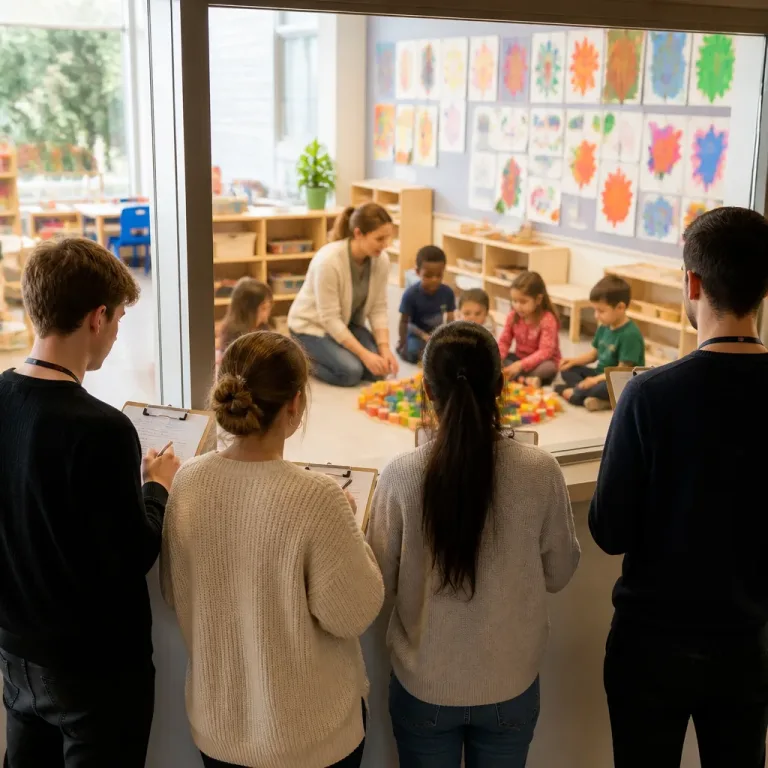
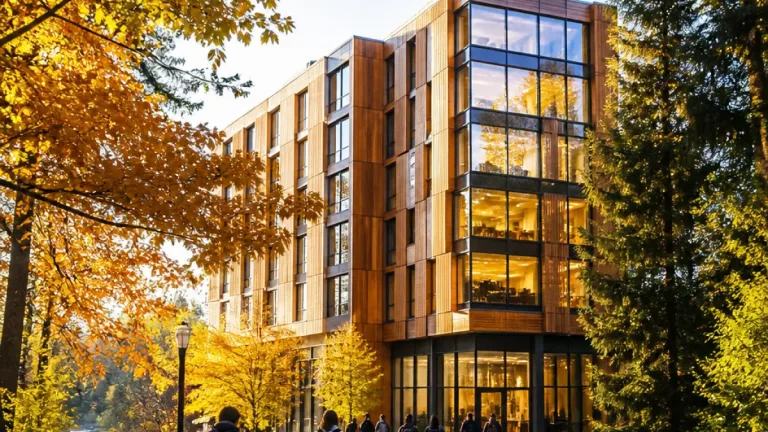
At one private K–5 campus in the Portland, Oregon, area, families are paying what the operators describe as premium fees to place children in full-time Chinese immersion classes. The school’s founders say more than half of the current kindergarten cohort of about 100 students come from households with no Chinese background — a milestone they attribute to growing parental interest in the language’s perceived professional and cognitive value.
“Chinese is a major language, meaning that it’s an advantage to their children’s future development,”
— Shu Bingyi, co‑founder of the Portland school.
Why parents are choosing immersion early
Families cited several motivations for enrolling young children in immersion programmes:
- Future career value — parents see Mandarin as strategically important for global business and diplomacy.
- Enhanced learning skills — caregivers believe early bilingual education can strengthen overall language learning ability and cognitive flexibility.
- Cultural literacy — some families aim to give children direct access to Chinese language and culture irrespective of ancestry.
Experts generally agree that younger children acquire pronunciation and basic conversational skills more readily than older learners, and many immersion operators design curricula that take advantage of this window. While university-level enrolment in Chinese courses has flattened in recent years, the surge at the elementary and secondary levels appears to reflect stronger parental demand for early-language exposure.
Cost, access and equity questions
Not all immersion programmes are free public options. The Portland-area school referenced charges about US$14,000 per year for full-time attendance — a significant outlay that raises concerns about equitable access. Meanwhile, public school boards in some U.S. districts are expanding Chinese immersion or dual-language tracks, but availability remains uneven.
| Metric | Reported figure |
|---|---|
| Number of Chinese immersion schools (U.S.) | 397 |
| Year first U.S. immersion opened | 1981 |
| Full-time K–5 tuition at cited private school | US$14,000/year |
| Approximate kindergarten cohort at cited school | 100 students |
The mix of private, charter and public immersion offerings shapes accessibility. Where full-time immersion carries tuition, children from higher-income families may gain advantage, intensifying disparities. Public systems that add Chinese immersion places can broaden access, but expansion requires trained teachers, curriculum development and funding — all barriers for some districts.
Implications for Canadian educators and families
For Canadian readers, the U.S. trend offers a lens on parental priorities and the market for early-language education. Canadian school boards already host a variety of second-language programmes — French immersion, indigenous language initiatives and some Mandarin tracks — but the U.S. experience highlights both demand and the resource challenges involved in scaling immersive instruction.
As policymakers weigh how to broaden language offerings, questions about teacher supply, costs and equitable access will be central. The expansion also invites reflection on what linguistic skills are prioritised in publicly funded schools and how best to support children from diverse backgrounds to benefit from bilingual or multilingual learning.
Whatever the pathway — public immersion, charter programmes or private schools — parents and educators seeking early-language advantage appear increasingly willing to invest time and money when they believe it will shape children’s long-term prospects.