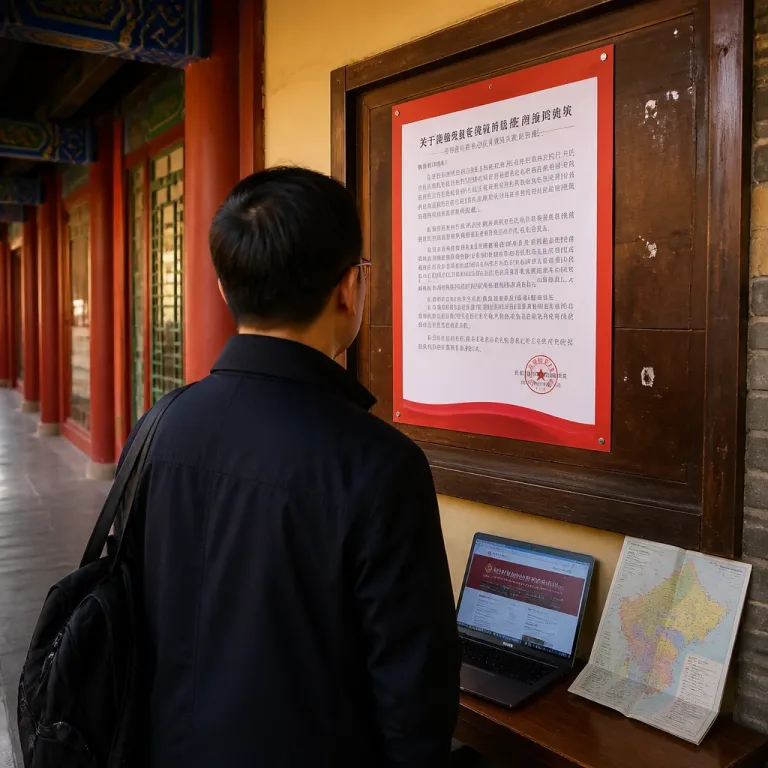
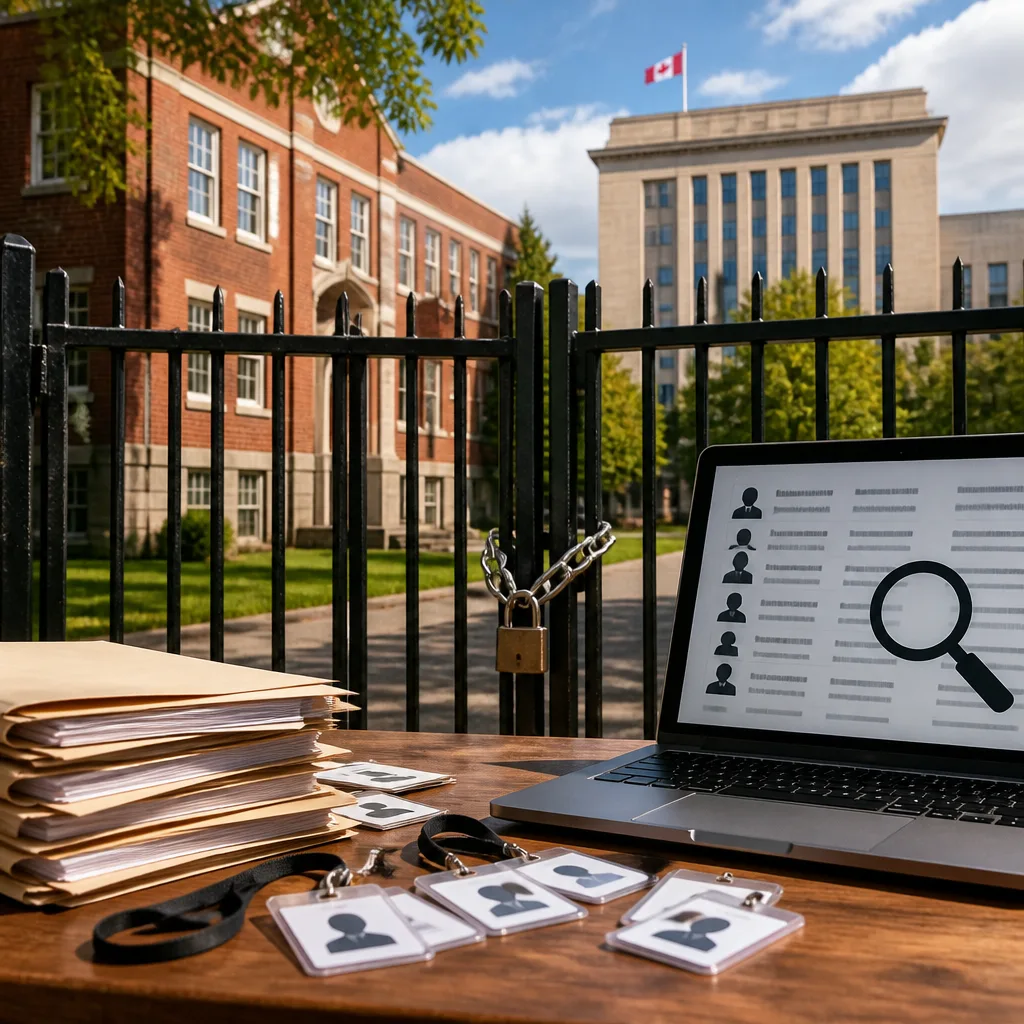
The Ministry of Education has amended regulations to prevent educators judged to be unfit, including those convicted of sexual assault, sexual harassment or sexual bullying, from re-entering the education system by changing their name or national identification number.
What the amendments do
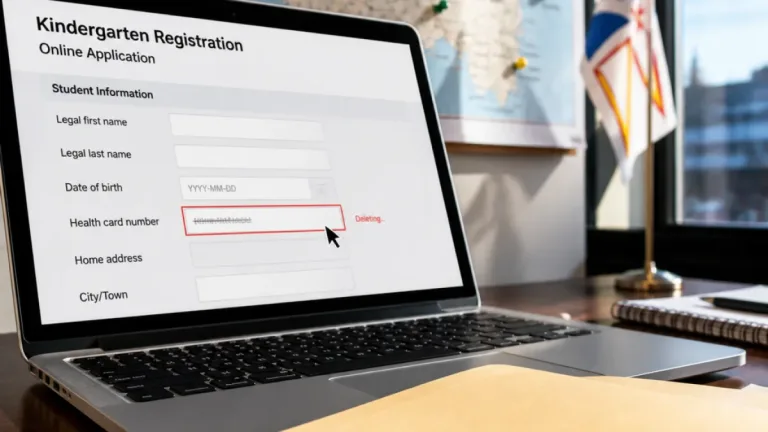
The changes strengthen how information on unfit educators is collected, reported, queried and used in the ministry’s database, and give the ministry the authority to ask local household registration agencies whether individuals on the unfit list have altered their personal details. The revised rules apply across a broad group of positions in the education sector.
| Positions covered | Type of institution |
|---|---|
| Principals, teachers, teaching assistants, school staff, sports coaches | Public schools and registered private schools |
| Researchers | Public academic research institutions |
| Full-time teachers | Registered private schools |
Existing safeguards reinforced
Under the existing framework, schools and education institutions are required to consult the ministry’s database of unfit educators, as well as relevant databases maintained by the Ministry of Justice and the central social affairs authority, before hiring. Prospective hires must also present a police criminal record certificate. The amendments, which revise articles 2, 3 and 6 of the Regulations Governing the Notification, Information Collection, Inquiry, Processing and Utilization of Unqualified Educational Personnel, aim to plug gaps that could allow ineligible individuals to slip through.
The ministry has also added the Ministry of Sports as a central competent authority under the regulations, extending oversight where coaches and sport instructors work with young people in organised settings.
Why the changes matter
The revisions address a specific risk: that individuals expelled from educational roles or barred for misconduct could attempt to return under a different legal identity. By enabling direct checks with household registration authorities and strengthening database use, the ministry is prioritising prevention of repeat access to schools and other child-centred environments. The rules cover both public-sector posts and many private-school positions, and extend to researchers in public academic institutions who may have contact with students.
- Broader coverage: Rules apply to a wide range of education-related roles, not only classroom teachers.
- Data verification: Ministry can query household registration agencies about changes to names or national ID numbers.
- Inter-agency checks: Institutions must consult multiple government databases and require a police certificate before hiring.
Officials framing the changes say the aim is to prevent applicants who have been found unfit from "slipping through the cracks" in background checks — a phrase used in reporting on the amendments to describe the policy intent.
Scope and limits
The amendments explicitly list categories of misconduct that render an educator unfit, including sexual assault, sexual harassment and sexual bullying. They focus on administrative and database safeguards rather than on changes to criminal penalties or court processes. The regulations, as amended, provide education authorities with stronger tools to identify candidates whose records make them inappropriate for work with children and students.
By tightening enquiry powers and clarifying which institutions and roles are covered, the ministry has taken administrative steps to bolster child protection in educational settings. The practical effects will depend on the effectiveness of inter-agency data-sharing, the timeliness of household registration checks and compliance by hiring institutions.
These changes form part of a broader set of measures across jurisdictions to strengthen hiring checks and keep educational environments safe for children and youth.