National Forensic Science Week will take place Sept. 20–26, 2026, marking the 14th year of a national observance designed to raise awareness about the scientific and procedural work that supports criminal justice systems.
Making the laboratory visible
The week is organised by a committee of the Consortium of Forensic Science Organizations, which brings together groups representing crime-laboratory directors, forensic scientists, toxicologists, identification specialists, coroners and medical examiners. The consortium encourages participation from laboratories, educational institutions, government bodies, professional organisations and communities to show how forensic science operates beyond brief courtroom testimony or popular television portrayals.
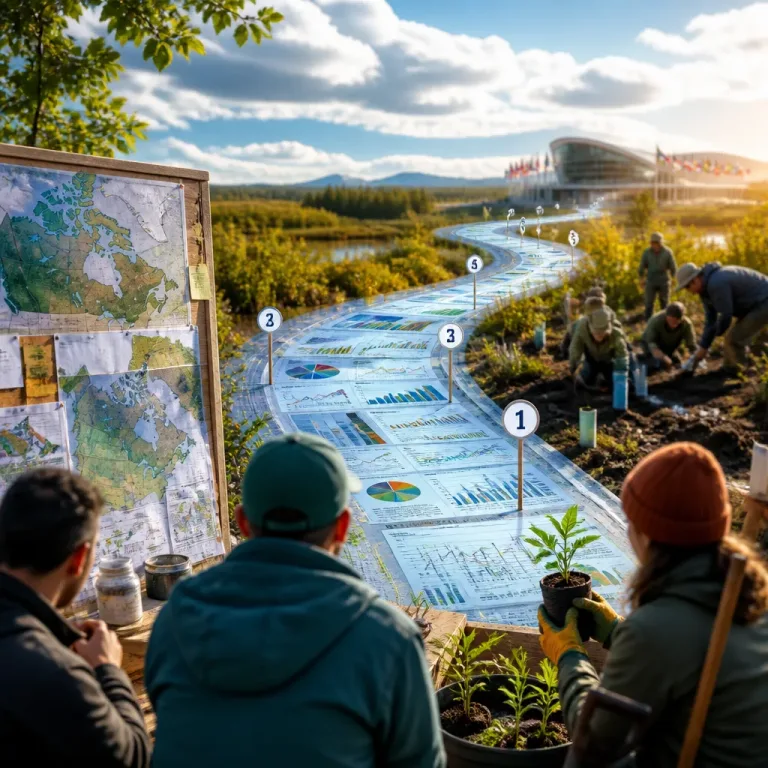
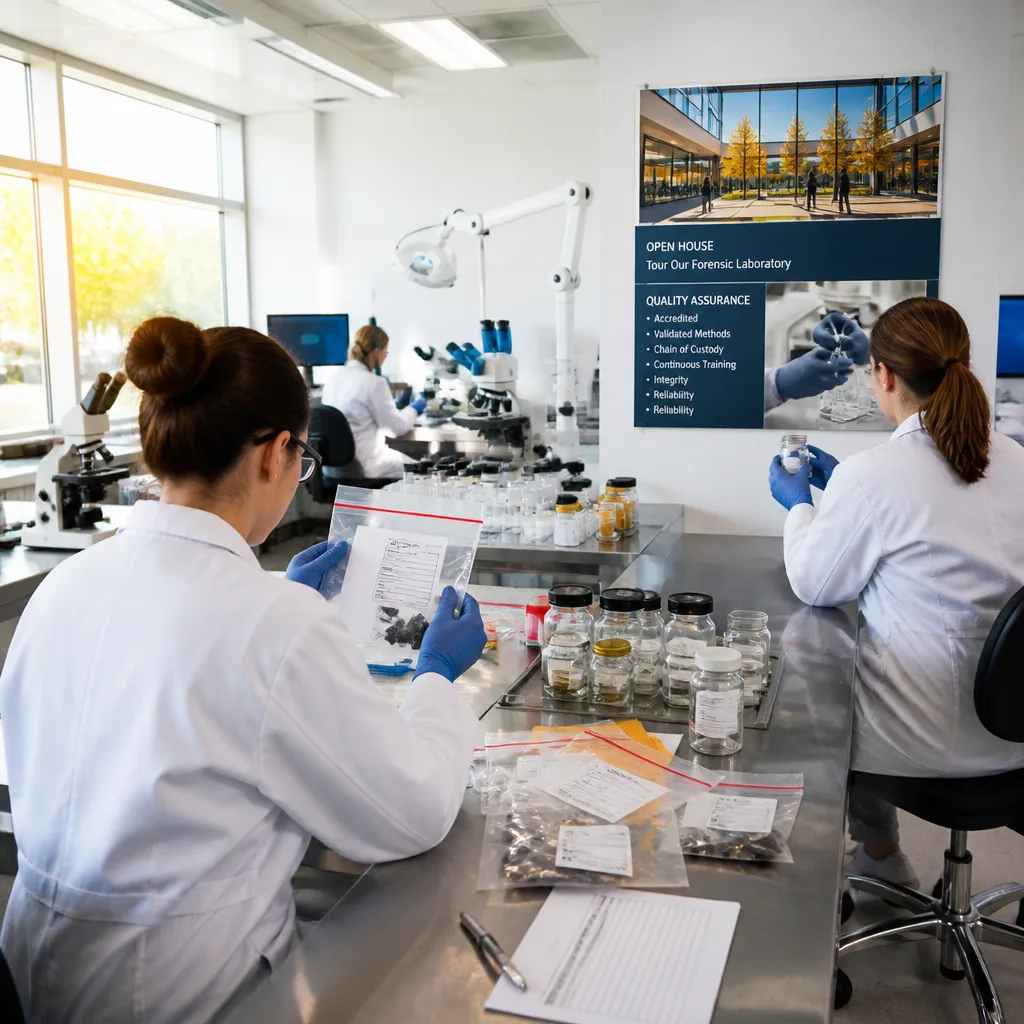
“Snapshots” of forensic work in media, the consortium notes, rarely capture the layered systems that ensure results are defensible. Evidence handling and analysis unfold through a sequence of controlled steps — receipt, security, analysis, review, reporting and retention — each of which depends on trained personnel, validated methods, properly maintained instruments, complete documentation and robust quality practices.
Events and outreach
To help laboratories and organisations mark the occasion, the consortium groups suggested activities into four broad categories and provides resources tailored to each:
- Community open houses — tours and on-site demonstrations to demystify lab workflows.
- Festivals and in-person events — public-facing activities to engage families and community members.
- Webinars and virtual events — online presentations and panel discussions for wider reach.
- Youth and school outreach — educational materials and programming aimed at students.
The consortium also supplies a suite of outreach assets, including educational materials, legislative and institutional guidance, organisational outreach tools and videos offering inside views of crime laboratory environments.
| Element | Purpose |
|---|---|
| Dates | Sept. 20–26, 2026 |
| Anniversary | 14th year |
| Event categories | Open houses; festivals; webinars; youth outreach |
Scope of modern forensic practice
Modern forensic laboratories encompass a wide array of disciplines. The consortium highlights fields such as toxicology, DNA analysis, latent print examination, digital evidence, firearms examination, forensic chemistry and medicolegal death investigation. Each discipline brings its own technical methods, instrument needs and interpretive limits, while sharing fundamental requirements for evidence integrity and impartial reporting.
Those shared requirements are central to the consortium’s message: results that affect liberty and public safety rely on validated scientific methods, competent personnel, accurate instruments, meticulous documentation and quality-control systems that make findings reproducible and reviewable.
Why public understanding matters
Organisers argue that increased public literacy about how forensic science works can improve trust in laboratory outputs and provide clearer expectations for courts, lawmakers and family members affected by investigations. For laboratory managers, the week offers an occasion to recognise staff contributions and to demonstrate to stakeholders how routine practices uphold justice.
Participation can take many forms — from a simple virtual seminar explaining chain-of-custody procedures to a full open house that walks visitors through analysis stations — yet all share the same aim: to show the often-invisible systems that produce reliable forensic evidence.
As the consortium prepares materials for the 2026 observance, laboratories and partner organisations are being invited to plan events that reflect local capacity and community interest, using the week as a platform to make forensic work more transparent and better understood.