Education unions from across Southern Africa and Namibia’s teachers’ organisation say that while the country has made important public funding commitments, improving learning outcomes will depend on addressing classroom-level challenges including overcrowding, infrastructure gaps and the hidden costs that keep some learners from fully participating.
Union report at regional workshop
At the Education International (EI) Southern Africa Sub‑Regional Workshop on the Go Public! Fund Education campaign, held in Johannesburg from July 23–24, 2026, the Namibia National Teachers’ Union (NANTU) presented a country report outlining progress and persistent obstacles in delivering publicly funded education.
The workshop was convened by EI Africa and hosted by the South African Democratic Teachers Union (SADTU) and the National Professional Teachers’ Organisation of South Africa (NAPTOSA). Delegates discussed the steps required to ensure that public investment translates into quality teaching and learning in classrooms.
“Quality public education begins with quality funding.”
NANTU welcomed a series of recent policy moves in Namibia, notably the government’s pledge that public elementary and high schools will be free and the introduction, from January 2026, of full government coverage of tuition and registration fees for first‑time undergraduate students at state‑run and private universities and vocational training centres.
Progress on paper, gaps in practice
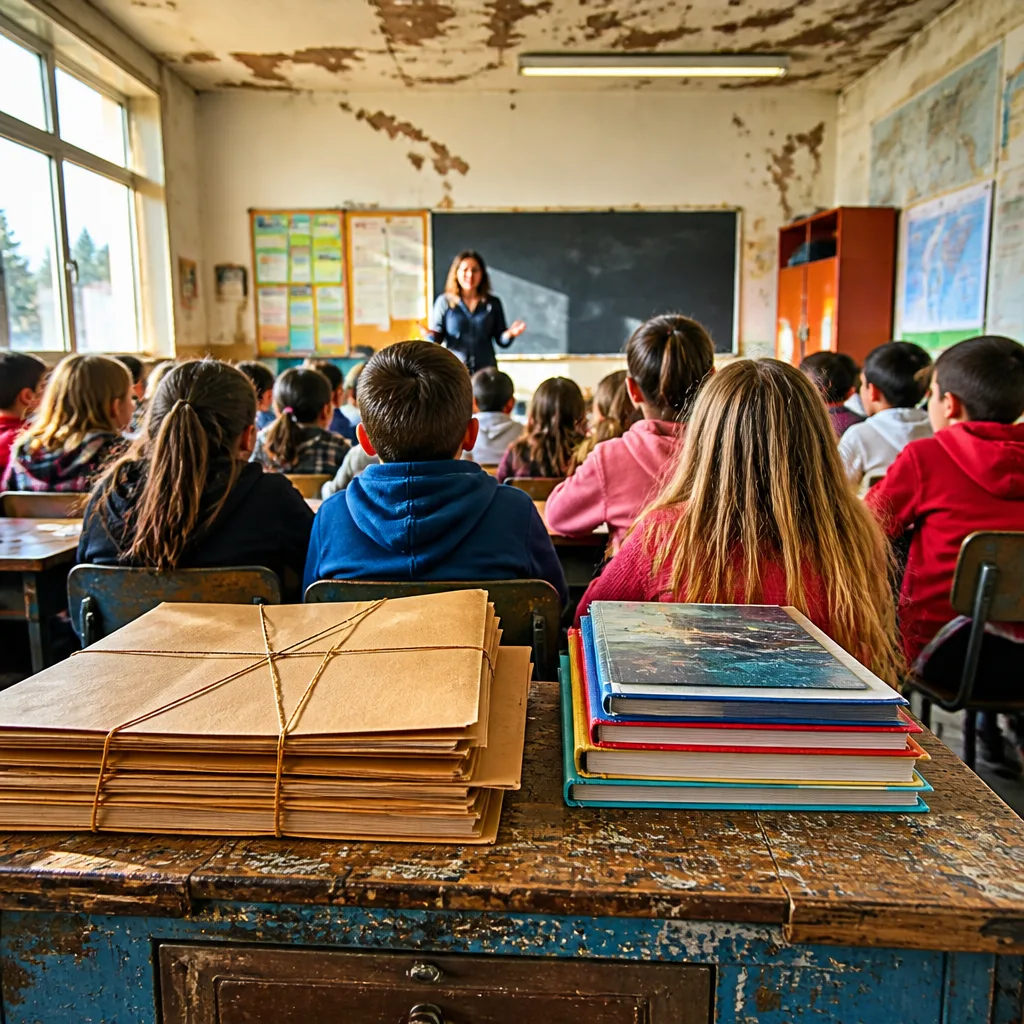
Despite those commitments, the union report warned that the promise of free education risks remaining symbolic unless the state also tackles everyday obstacles that impede learning. NANTU highlighted three recurring problems:
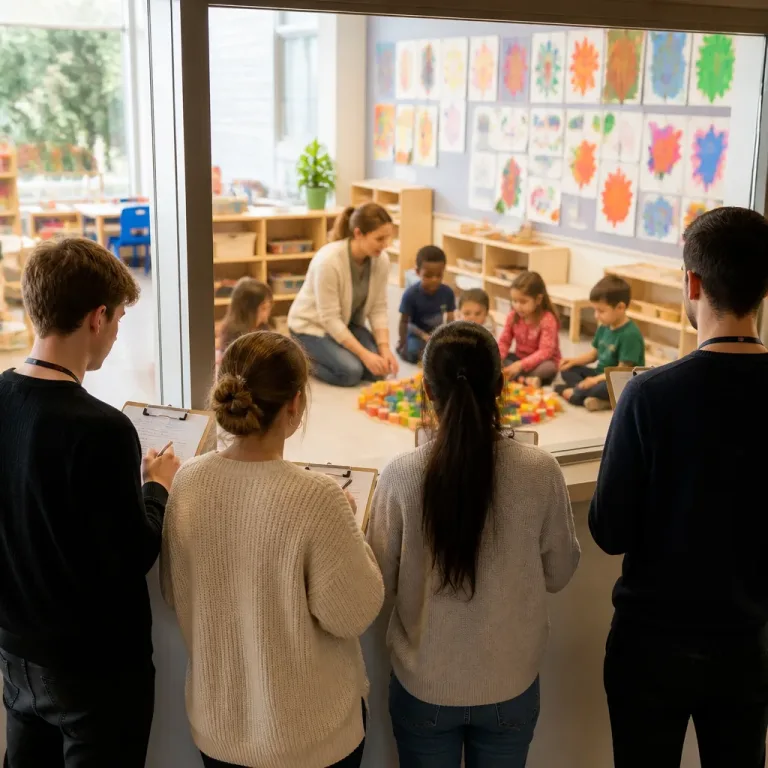
- Overcrowded classrooms that strain teacher capacity and limit individual attention;
- Shortages and infrastructure gaps that affect learning environments; and
- Hidden costs — such as transportation, materials or other fees — that prevent some learners from fully accessing their right to education.
In its report, the union underlined that while Namibia is a relatively high investor in education in the African context, expenditure alone does not automatically deliver quality if funds do not reach the classroom or sufficiently support teachers.
Scale and finance
NANTU’s report notes that Namibia has a population of about 3 million and roughly 927,647 learners enrolled in schools. The country allocates around 8.9 per cent of GDP to education — a level above the 6 per cent international benchmark recommended by United Nations guidance on the teaching profession.
| Indicator | Figure |
|---|---|
| Population (approx.) | 3 million |
| Number of learners | 927,647 |
| Education spending (share of GDP) | 8.9% |
While those figures demonstrate significant public commitment, NANTU told delegates that achieving Sustainable Development Goal 4 — inclusive and equitable quality education for all — requires targeted investments that reach classrooms, bolster teacher working conditions and remove non‑tuition barriers to attendance.
Implications for policy and practice
The union’s message emphasises the difference between funding commitments and effective delivery. Measures that international partners and national policymakers commonly consider include improving school infrastructure, recruiting and retaining trained teachers, reducing pupil‑teacher ratios and eliminating ancillary costs that fall to families.
For Namibia, where government policy has already moved toward greater public coverage of educational costs, the next phase will test whether resources and implementation strategies are sufficient to translate legislative or budgetary promises into tangible improvements in classrooms and on learners’ daily experiences.
The EI regional workshop provided a forum for unions across Southern Africa to share experiences and strategies on mobilising public funding for education and ensuring that investments support both teachers and learners.
As NANTU’s report makes clear, achieving the aims of the Go Public! campaign will require sustained attention to how money is allocated and used at the school level — not only headline commitments on free education.