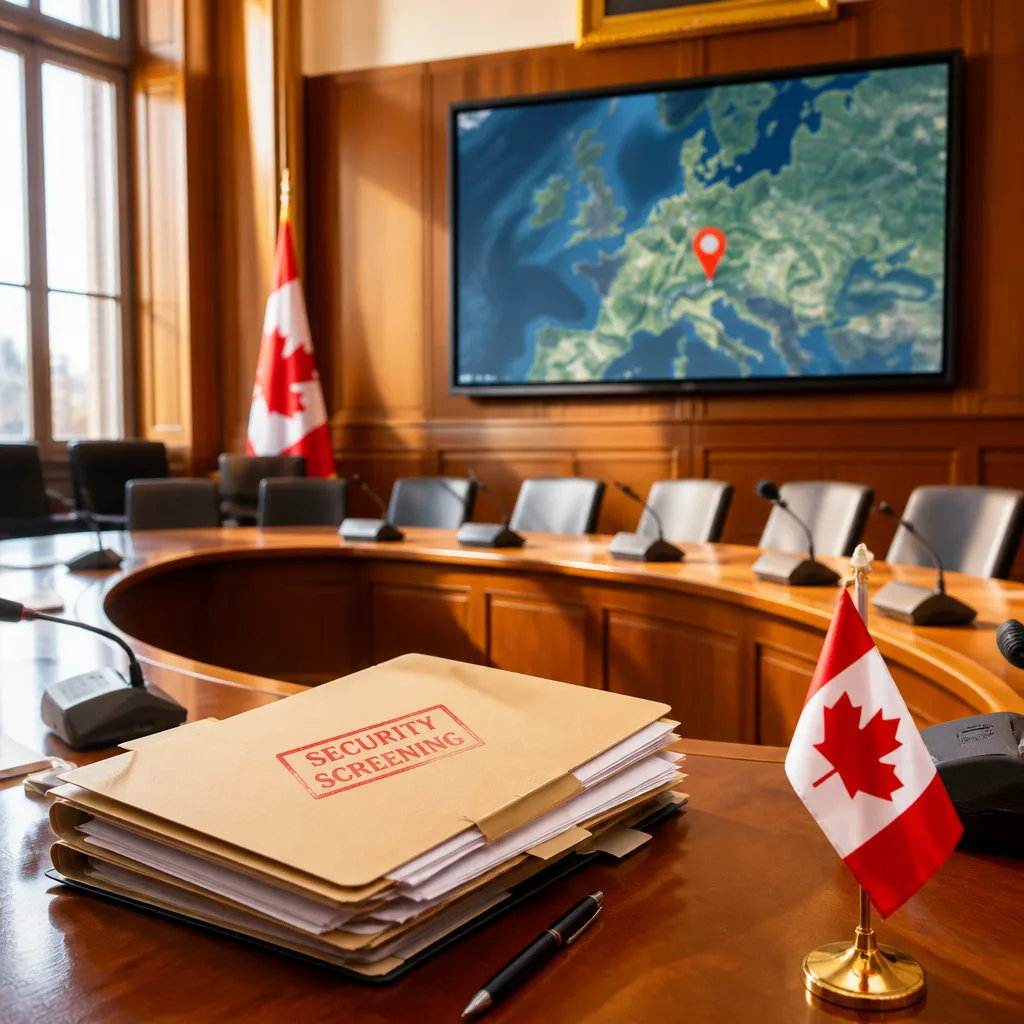
Conservative and Bloc MPs are calling for an immediate examination of Canada’s security screening processes after Belgian authorities arrested a Canadian former intern at NATO’s military headquarters on suspicion of espionage.
Calls for scrutiny of screening and oversight
The request, directed to the House of Commons public safety committee, follows reporting that identified the detained person as Biwei Zhang, who worked as an intern at NATO’s Supreme Headquarters Allied Powers Europe (SHAPE) in Mons, Belgium. Opposition figures say the case raises urgent questions about whether gaps in Canadian vetting or information-sharing procedures could have allowed sensitive material to be exposed.
In a statement, Conservative MP Frank Caputo said the allegations are alarming and suggested Parliament must determine whether existing screening mechanisms are adequate.
"These allegations are deeply concerning and raise serious questions about Canada's national security screening processes,"
Caputo added that MPs must establish if any shortfalls could have put sensitive information or allied security at risk.
What is known so far
Reporting by CBC and international media, including the Reuters news agency, says Belgian authorities arrested an intern at SHAPE on suspicion of espionage. Belgian officials publicly released few details and did not initially identify the individual. CBC News later reported the person detained is Biwei Zhang. According to publicly available information from the reporting, Zhang is a systems engineer with a background in economics and has listed prior work experience with the Canadian Space Agency and Statistics Canada on an online résumé.
Multiple security sources quoted in European media described behaviour that attracted the attention of NATO’s internal security service. Reports indicated the intern displayed unusually inquisitive conduct toward colleagues and accessed areas where she was not authorised.
| Fact | Detail |
|---|---|
| Location | Mons, Belgium (SHAPE headquarters) |
| Individual identified by CBC | Biwei Zhang |
| Allegation | Arrest on suspicion of espionage |
| Reported prior employers | Canadian Space Agency; Statistics Canada (per online résumé) |
Belgian authorities have not released detailed public information about charges or evidence.
Political and policy implications
The arrest has prompted opposition MPs to seek an emergency meeting of the federal public safety committee to probe potential weaknesses in how Canada vets individuals placed in sensitive allied postings and how information is shared with partners. The demands reflect broader concerns among some parliamentarians that intelligence and security screening for placements within multinational organisations must be robust to protect both national and allied interests.
Key questions likely to shape any committee review include:
- Which federal screening processes apply to Canadians placed in internships or short-term positions at allied organisations?
- How are security clearances coordinated with NATO and host nations?
- What information-sharing arrangements exist between Canadian agencies and allied security services regarding suspicious behaviour?
Officials in Ottawa have not publicly detailed any immediate response to the Belgian arrest beyond confirming they are aware of media reports.
Next steps
If the House public safety committee agrees to an emergency meeting, MPs could summon public servants, security officials and possibly representatives from allied institutions to explain screening and oversight arrangements. Any probe will contend with the limits of what can be disclosed publicly when investigations and national security considerations are active.
The Belgian case is a reminder of the challenges democracies face when personnel placed in multinational defence and intelligence settings arouse suspicion. It also underscores the political imperative for clear processes that balance the need for operational secrecy with parliamentary oversight.
Further developments are likely as Belgian authorities clarify the basis for the arrest and as Canadian parliamentarians press for answers.