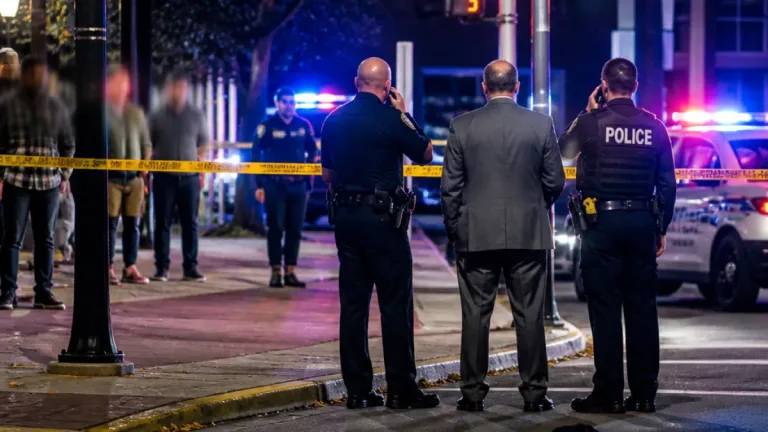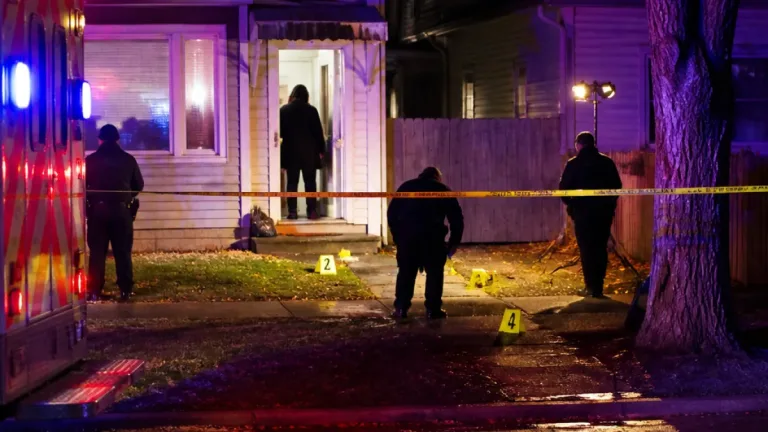
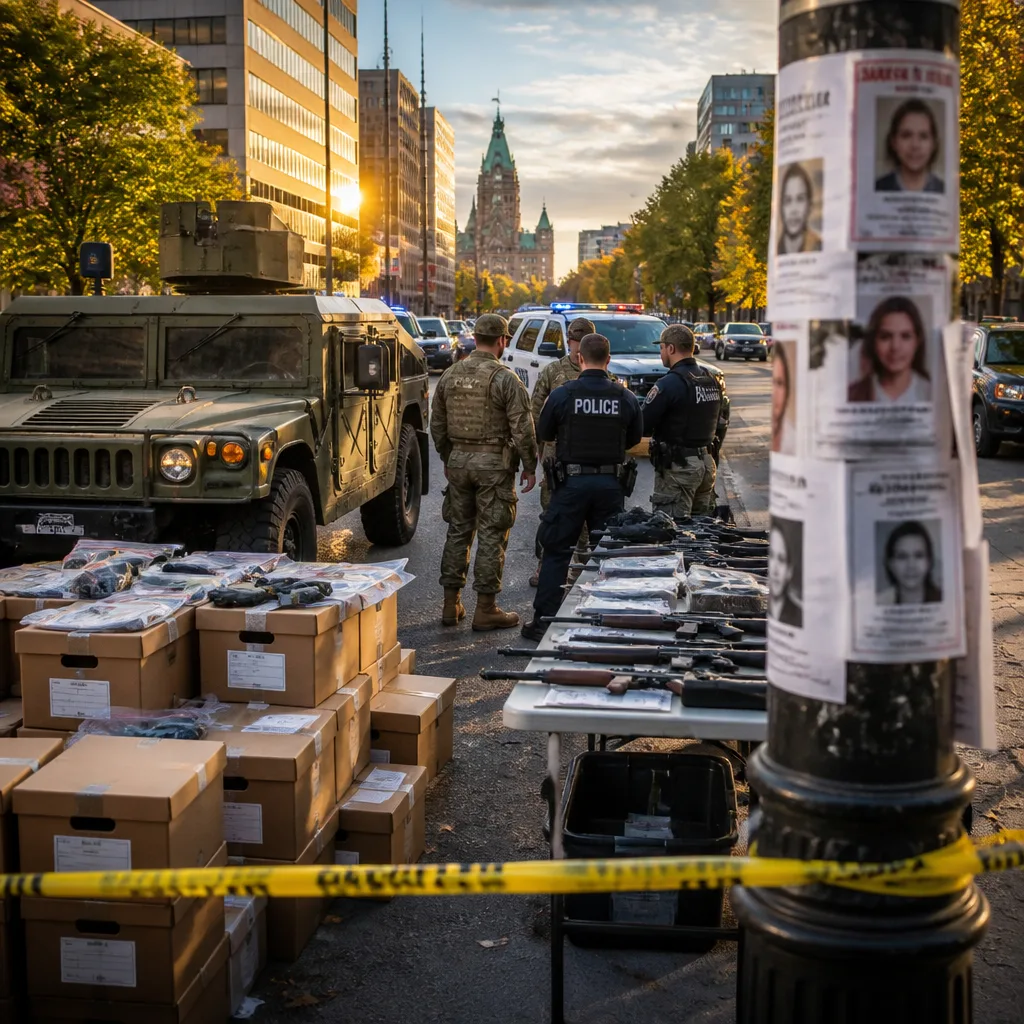
The federal administration overseeing the Make D.C. Safe and Beautiful Task Force says its sustained law enforcement and National Guard presence in Washington has coincided with a marked drop in crime across the U.S. capital, according to data cited by federal authorities and the Metropolitan Police Department (MPD).
Reported declines and enforcement results
Officials point to MPD statistics showing an overall reduction in crime of 20 per cent since the deployment began. Specific decreases cited include:
- 32 per cent decline in homicides
- 15 per cent decline in robberies
- 53 per cent decline in vehicle theft
Federal law-enforcement partners also provided cumulative enforcement figures attributed to the task force’s activity. The U.S. Marshals Service reported more than 16,000 arrests, a tally that officials said included:
- 35 homicide suspects
- More than 100 known gang members
- More than 3,200 people charged on narcotics counts
| Seizures and returns | Reported figure |
|---|---|
| Illegal firearms seized | Nearly 2,000 |
| Missing children located and returned | 25 |
Deployment and political context
The Pentagon has prepared for a continued National Guard presence in Washington for the duration of the presidential term, with roughly 2,500 Guard members described as assisting the MPD earlier in the deployment. Federal officials framed the effort as an ongoing campaign to sustain public safety for residents, commuters and visitors.
As the administration defends the operation, agency leaders emphasised persistence in investigation and prosecution as central to the strategy. In a brief exchange with a local reporter, the director of the U.S. Marshals Service stressed the importance of sustained enforcement and constitutionally sound investigations.
"I think the key to driving down crime is staying on it, prosecuting the cases that need to be prosecuted, and getting on the investigation, doing good constitutional policing and good investigations," the director said.
What the figures show — and what they do not
The statistics provided by federal authorities and cited MPD data indicate declines in key crime categories and substantial arrest and seizure totals since the start of the task force’s activity. The figures reflect outputs — arrests and seizures — and short-term shifts in reported criminal incidents.
However, the data as reported do not, on their own, establish a causal link between the federal deployment and long-term crime trends. Establishing causation would require additional analysis of longer-term crime patterns, comparisons with peer jurisdictions, and consideration of other policing or social interventions that might influence recorded crime rates.
Observers and policymakers will likely scrutinize several questions as the deployment continues, including the cost of extended National Guard support, the legal and civil liberties framework for sustained federal involvement in local policing, and the long-term strategy for preventing a rebound in crime when federal assets are reduced or withdrawn.
For now, federal and local officials point to the declines and the enforcement numbers as evidence the task force has produced measurable results in its first year of operation.
More detailed audits, independent analysis and ongoing reporting will be required to assess durability, community impact and broader policy implications of the federal approach to public safety in the nation’s capital.