Hong Kong’s bid to become a global education centre could require a dramatic expansion of teaching space and student housing, according to a new study by commercial real estate firm CBRE.
Massive physical expansion projected
The consultancy estimates the city could welcome roughly 200,000 non-local students by 2035. That surge would demand extensive additional facilities at both the international school and university levels, reshaping the city’s education and property landscapes.
CBRE’s analysis outlines the following needs if the projected student numbers materialize:
- International and private school expansion: an estimated 30,000 to 40,000 additional non-local students at the pre‑tertiary level, requiring the creation of roughly 40 to 50 new school campuses and up to 1.11 million square metres (about 12 million sq ft) of gross floor area.
- University academic space: with an anticipated inflow of about 150,000 non-local tertiary students, universities may need between 1.39 million and 2.14 million square metres of extra academic space. For context, the city’s 12 degree‑awarding institutions currently occupy about 4 million square metres of gross floor area.
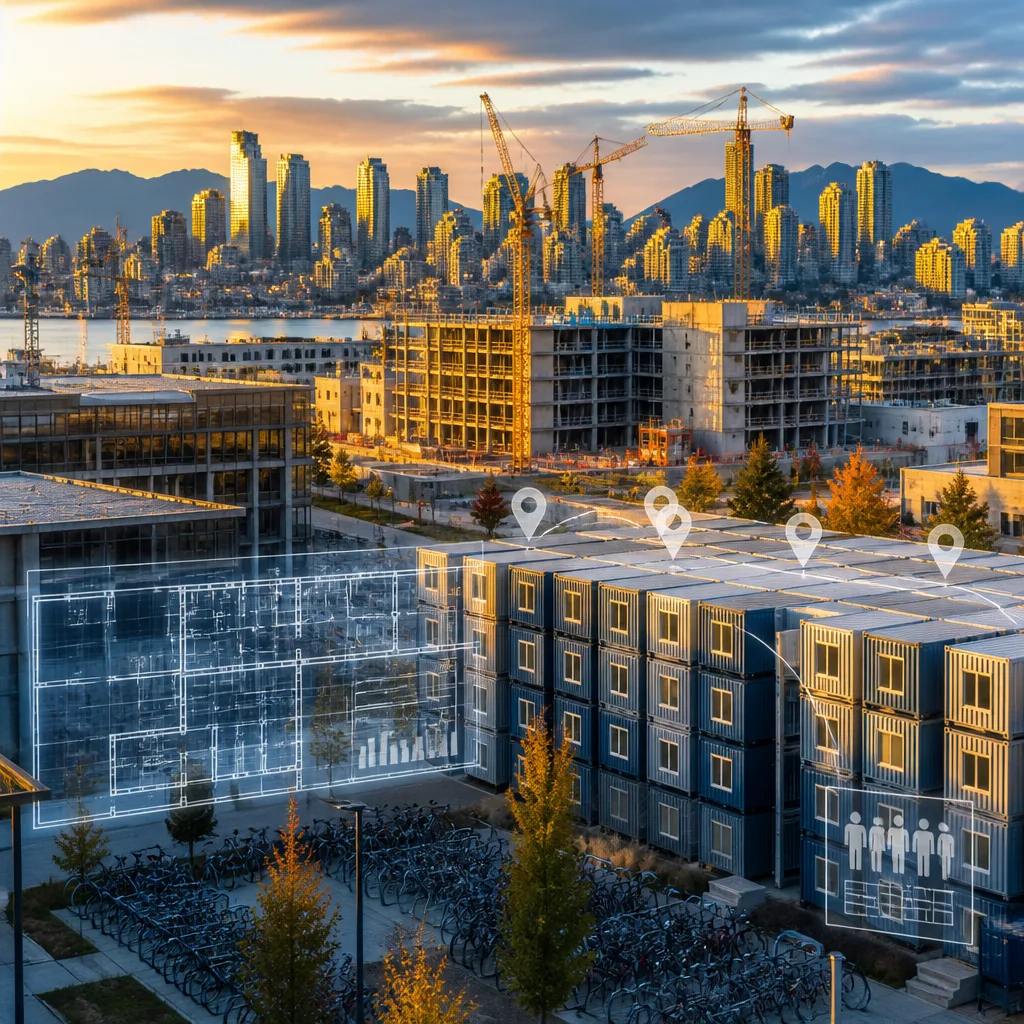
- Student accommodation: demand for purpose‑built or dedicated student housing could grow by more than 70,000 beds within roughly a decade.
| Category | Additional need (approx.) |
|---|---|
| International school gross floor area | Up to 1.11 million m² |
| University academic space | 1.39–2.14 million m² |
| Student accommodation | 70,000+ beds |
“Hong Kong’s education sector is undergoing a structural transformation,” said Marcos Chan, executive director and head of research at CBRE Hong Kong.
Implications for schools, families and the property market
The scale of the forecast expansion points to multiple practical challenges. School operators would need to secure land, planning approvals and capital to build dozens of new campuses. Universities already occupying around 4 million square metres of space would have to rethink campus footprints and possibly pursue satellite campuses or intensified use of existing facilities.
Families and students could face higher competition for places and accommodation. The projected need for more than 70,000 student beds highlights a potential mismatch between student recruitment ambitions and housing supply. That gap could influence living costs, commute times and daily life for students — as well as create secondary demand in the private rental market.
For the broader property sector, the report frames education as a sustained source of development and commercial demand rather than a short‑term cycle. CBRE’s projection suggests long‑term planning opportunities for developers, institutional investors and government agencies tasked with urban planning and housing policy.
Questions for policymakers and stakeholders
Realising the projected inflow of non-local students will depend on multiple factors outside the scope of the CBRE study, including visa policies, global competition for international students, institutional capacity, and public attitudes toward education and urban growth. For Hong Kong, the feasibility of adding millions of square metres of floor area — in a city with constrained land supply — will require policy, financing and planning choices.
Stakeholders in other jurisdictions, including Canada, will be watching these developments. As global student mobility shifts, Canadian universities and colleges may face altered competitive dynamics for international enrolments and partnerships. For families considering study destinations abroad, housing availability and campus capacity are likely to become more central considerations.
CBRE’s study frames the transformation in concrete terms: large numbers, extensive floor space and tens of thousands of beds. Translating those numbers into classrooms, lecture halls and dormitories will be the immediate test for Hong Kong’s ambitions to become a global education hub.