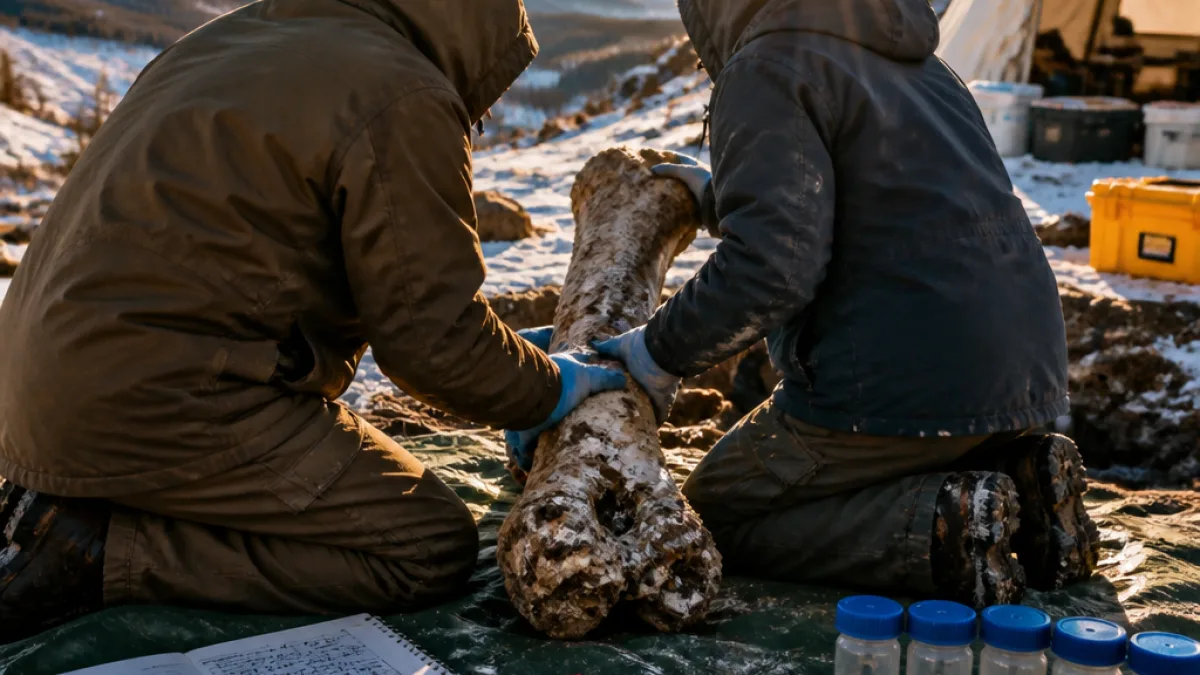
Researchers have confirmed that bones excavated in the northern Yukon belong to an Ice‑Age American cheetah, Miracinonyx, according to a study published in Current Biology. The identification — based on DNA and isotope analysis — changes longstanding assumptions about what large carnivores inhabited the Arctic during the Pleistocene and offers new insight into how those animals lived in a far-north landscape.
From assumed cougar to unexpected cheetah
The remains, recovered from Bluefish Caves and a mine site in the territory, were originally thought to be from pumas or cougars. Molecular testing carried out by University of California lab technician Molly Cassatt‑Johnstone, working early in her career, instead showed the bones belonged to Miracinonyx — often referred to as the American cheetah.
Yukon paleontologist Grant Zazula, who has worked extensively on Ice‑Age fauna in the territory, recalled his surprise when he received the preliminary results. “Hey Grant, your cougars aren’t cougars — they’re actually cheetahs,” he was told, an outcome he described as startling given earlier expectations about the identity and ecology of the specimens.
“Twenty‑five years ago, looking at ancient DNA was almost science fiction, Jurassic Park kind of stuff. Now, doing genetic analysis on permafrost‑preserved bones from the Yukon is kind of a regular thing we do.”
What the analyses reveal
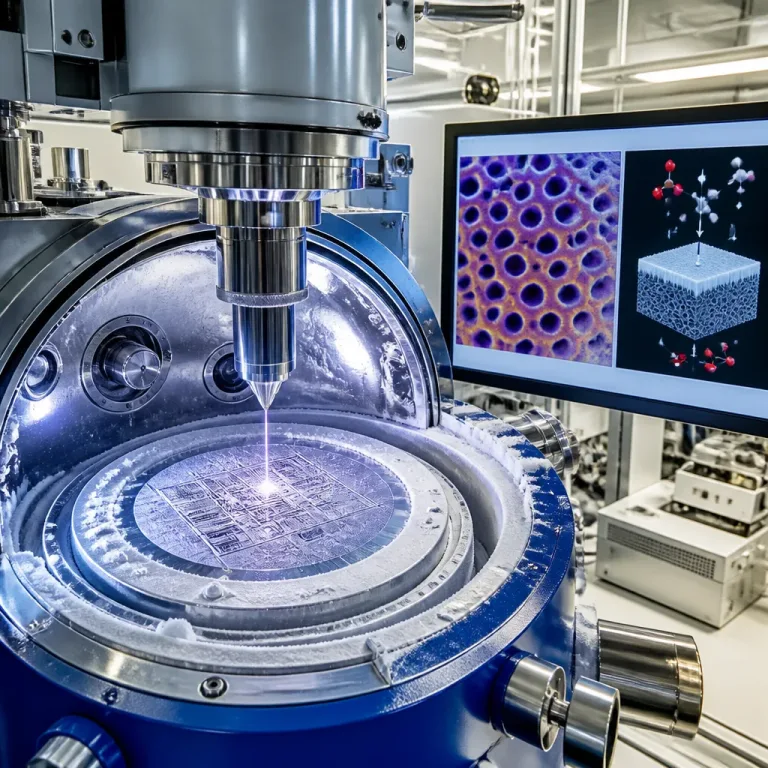
The team combined genetic sequencing with isotope analysis to piece together a fuller picture of these cats’ lives. DNA provided species identification where morphology alone had been misleading. Isotope data offered clues about diet and movement, helping researchers assess how these long‑limbed predators may have survived in northern environments.
Finding Miracinonyx remains in Arctic tundra surprised researchers because the animal’s body plan — long legs and a slender build — has often been compared with modern African cheetahs and inferred to be adapted to chasing fleet prey across open plains. The Yukon specimens suggest a broader ecological tolerance or different behavioural strategies than previously assumed.
Why Yukon finds matter
Permafrost and cold, dry conditions help preserve bone and DNA in the North. Each fragment recovered from sites such as Bluefish Caves can therefore yield disproportionately large amounts of information. The Yukon continues to be a productive region for Pleistocene palaeontology, with well‑preserved fossils that are accessible to modern laboratory techniques.
For northern communities and researchers alike, these discoveries refine understanding of past landscapes and animal communities during the last Ice Age. They also demonstrate the value of integrating field excavation, laboratory genetics and isotope science to re‑examine long‑held taxonomic assignments.
- Specimens were recovered from Bluefish Caves and a mine site in northern Yukon.
- DNA tests by Molly Cassatt‑Johnstone identified the bones as Miracinonyx (American cheetah).
- Isotope analyses were used to assess diet and ecological habits.
Research and local implications
The study underscores changing capacities in palaeontology: what once seemed like speculative molecular work is now a routine complement to field recovery in permafrost regions. For Yukoners, more precise identifications of ancient fauna deepen the story of northern ecosystems and may influence how archaeological and palaeontological resources are prioritised and protected.
While the discovery mainly advances scientific knowledge about the Pleistocene, it also highlights the role of the territory in addressing broader questions about evolution, extinction and ecological resilience in high‑latitude environments. As laboratory methods continue to improve, more surprises likely await in the fragments preserved beneath Yukon soils.
| Site | Analysis | Key finding |
|---|---|---|
| Bluefish Caves | DNA, isotope | Miracinonyx identification; dietary insights |
| Mine site (northern Yukon) | DNA, isotope | Miracinonyx identification |
As always in northern research, collaboration between field crews, local communities and laboratory scientists is central. Each small bone recovered from Yukon ice and sediment can open a new chapter in the territory’s deep natural history.
This study joins a growing body of work using ancient DNA to revisit past assumptions and refine the map of Ice‑Age life across North America — with the Yukon continuing to provide crucial, well‑preserved material for that work.