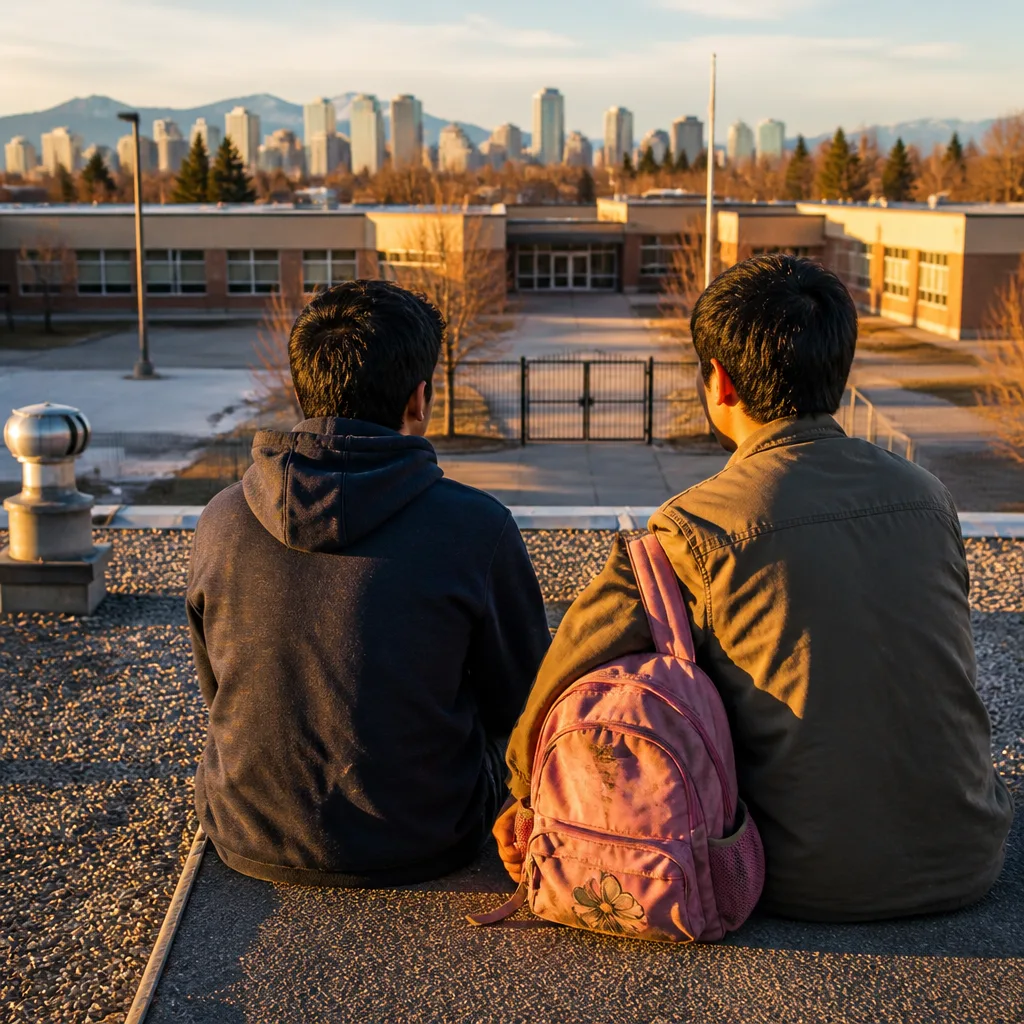
The Taliban’s ban that prevents girls in Afghanistan from attending secondary school has left many fathers in a state of deep distress, according to interviews conducted by AFP across the country. The prohibition, which officials defend on religious grounds, has persisted for more than four years and is widely condemned by families and international organisations.
Fathers report sleepless nights and mounting fear for daughters’ futures
Men interviewed expressed intense personal anguish over their daughters’ interrupted education. Some described going to sleep worrying about what future their children can build without secondary schooling, while others said they felt powerless to challenge the authorities’ ruling.
"You will never find in the Quran that education is only for men,"
One devout father told AFP that he could not reconcile the ban with his understanding of Islam. Another man, who praised the Taliban for improving security and reducing corruption, said he still could not identify a "proper justification" for the policy that stops girls from attending classes beyond primary school.
Girls were barred from secondary schools in March 2022 after the Taliban returned to power. Universities were later closed to young women the same year. Taliban officials have described the measures as temporary, but the United Nations estimates that the restrictions have directly affected at least one million girls.
Public opinion and protest
A UN survey cited by AFP found widespread support among men for girls’ secondary education: about nine out of 10 Afghan men surveyed said secondary schooling for girls was important, and nearly two‑thirds considered it "pious" for a father to back his daughter’s learning. Those who have publicly challenged the ban have faced reprisals; AFP reports that some men were jailed after protesting.
- March 2022: Girls barred from secondary schools.
- Later in 2022: Universities closed to women.
- UN estimate: At least one million girls affected by secondary education restrictions.
One father, identified by AFP by the pseudonym Engineer Ahmad, described a personal nightmare: his wife, a former secondary school mathematics professor, is no longer allowed to teach. He told AFP he never imagined a day when his daughters might become effectively illiterate. "Stopping at the sixth grade," he said, will leave them unprepared for the demands of the 21st century.
Domestic religious debate and international concern
Even among deeply religious families, there is confusion and sorrow. Fathers said they feel torn between deference to the authorities and a conviction that education for girls is both morally right and necessary for Afghanistan’s future. The Taliban government did not respond to AFP’s questions about the ban.
International bodies and rights groups have repeatedly criticised the policy. The UN has consistently urged Afghan authorities to reverse restrictions, warning of long‑term social and economic harm if girls remain excluded from secondary and higher education.
| Event | Date |
|---|---|
| Girls barred from secondary schools | March 2022 |
| Universities closed to women | Later in 2022 |
| UN estimate of girls affected | At least 1,000,000 (since restrictions began) |
The human consequences are immediate. Fathers said daughters who had been bright and eager to learn now sit at home, increasingly frustrated and fearful about their prospects. Families reported sleepless nights and emotional strain as they try to protect and help their children within the limits imposed by the authorities.
As the ban enters its fifth year, the debate inside Afghan homes underscores a wider crisis for education and gender equality in the country. For many fathers, the ruling raises both a personal and societal alarm: the loss of skills, opportunities and hope for a generation of Afghan women.