The appeal of country living in the Western Cape’s Boland is changing. Where retirement once dominated moves out of Cape Town, a fresh wave of buyers aged mostly between 30 and 50 is joining more traditional older purchasers in towns such as Robertson, McGregor and Montagu, according to property data and local market observers.
What buyers are seeking
Purchasers are reported to be looking for a combination of space, nature and community while retaining convenient access to amenities. The BAR (Bonnievale, Ashton and Robertson) valley, centred on Robertson along the Breede River and the scenic Route 62, offers vineyards, mountains and outdoor recreation – attributes that now appeal across generations.
Industry data shows recent buyers are largely split between the 30–50 and 55–70 age brackets, with proportionally fewer younger singles entering the market. Younger families often favour older freestanding homes close to schools, which they renovate to suit family needs, while retirees continue to prefer lifestyle estates.
Prices rising — and uneven
The rising demand is reflected in property prices across the corridor. Reported figures show:
- Robertson: freestanding homes from R1.6 million to R5.5 million; sectional-title units from R1.5 million to R3 million; estate homes from R2.5 million to R7 million.
- Montagu: median property price moved from R1.6 million in 2021 to R2.65 million in 2026 — a rise of 65.6%.
- McGregor: median values have climbed from just under R1 million in 2019 to about R2.9 million in 2026.
| Town | Reported price points (2026) |
|---|---|
| Robertson | Freestanding R1.6m–R5.5m; Sectional R1.5m–R3m; Estates R2.5m–R7m |
| Montagu | Median R2.65m (2026) |
| McGregor | Median ~R2.9m (2026) |
Local impact and implications
The demographic change has implications for local services and planning. Increasing numbers of young families place demand on schooling, healthcare services and family-oriented leisure facilities. Renovation activity around established village cores can support local builders, trades and small businesses, but also risks pricing out long-standing residents if affordability tightens.
Estate developments remain attractive to retirees seeking security and low-maintenance living, yet the trend of families renovating older homes indicates a parallel market dynamic: rather than new gated estates alone shaping the Boland, incremental household investment in existing town centres is reshaping neighbourhoods.
Why the Boland?
The combination of open countryside, vineyards, outdoor recreation such as hiking and mountain biking, and the social life around wine farms and small-town hubs are repeatedly identified as pull factors. Robertson’s location on the Breede River and proximity to Route 62 help preserve reasonable travel times to larger centres while offering what buyers describe as a slower pace of life.
Real estate agents report that buyers favour proximity to schools and community facilities over exclusive lifestyle estates when raising young families. That preference has pushed renovation activity in town rather than only expansion on the urban fringe.
Practical considerations for prospective buyers
- Investigate school catchment areas and the availability of childcare or aftercare services.
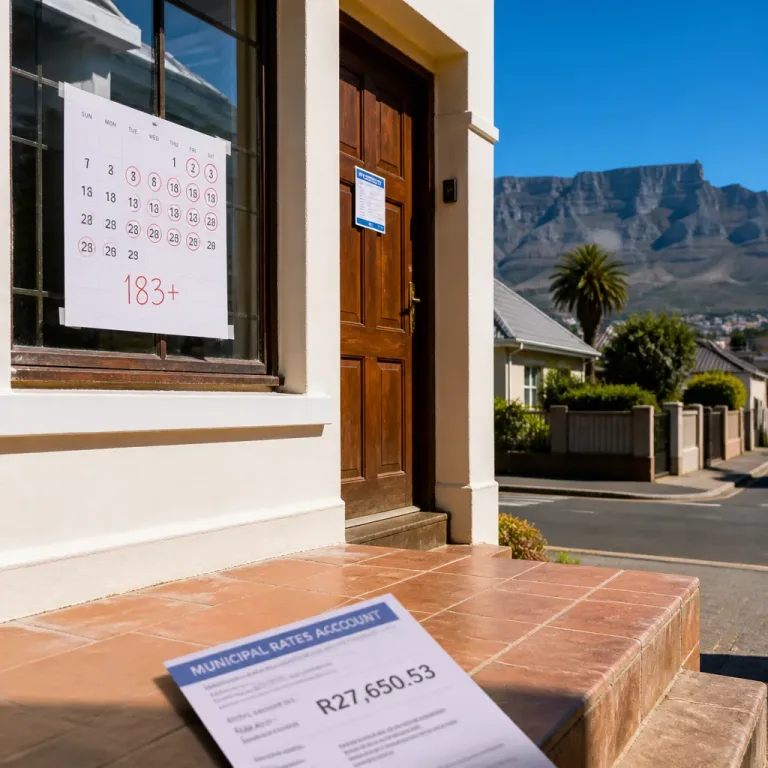
- Check municipal services and rates: smaller towns can have variable service levels that affect living costs and renovation plans.
- Factor in travel times if commuting to work in larger towns or Cape Town, and verify public transport options if needed.
As interest in the Route 62 corridor grows, local authorities and developers will need to balance housing demand with preserving the small-town character and affordability that attract new buyers. The current market shift underlines how lifestyle, rather than mere distance from the city, is increasingly central to where Western Cape residents choose to settle.
Reporting from the Boland region.