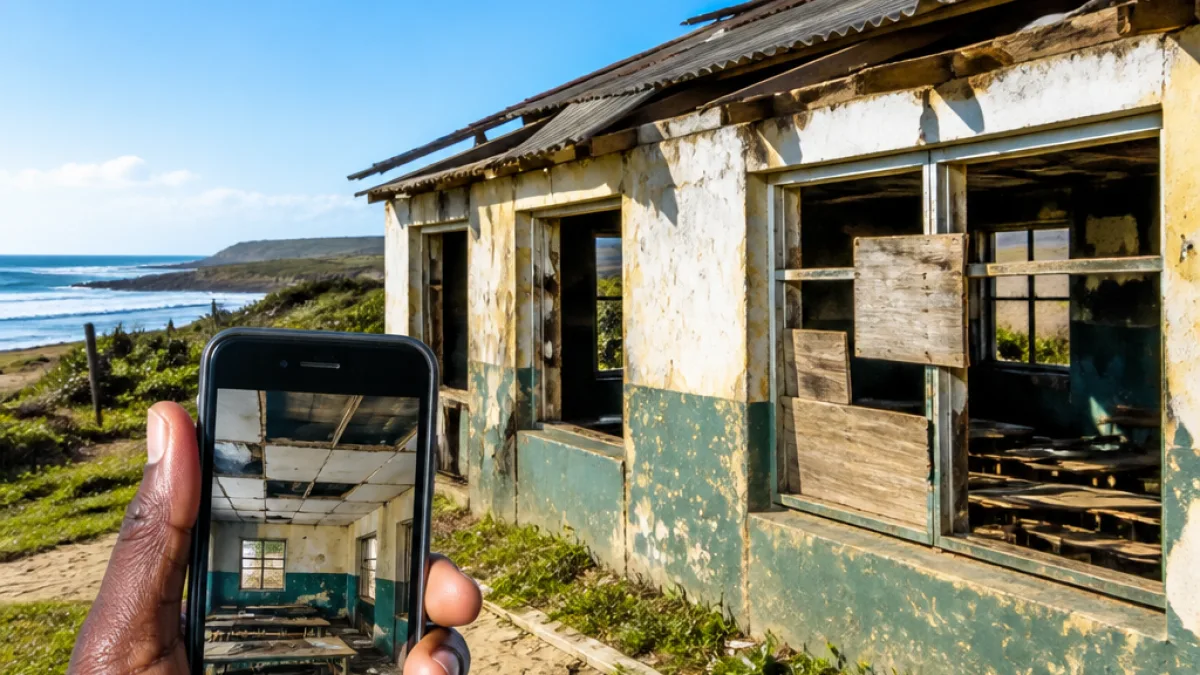
Residents of a Wild Coast community have appealed to the Eastern Cape provincial government to urgently repair Lumkwana Primary School, after photographs shared on social media prompted concern about the condition of the school buildings and facilities.
Community alarm after social media posts
Photographs posted on Facebook by a local user, identified in the original report, show classrooms and school spaces described by residents as dilapidated. Community members say they have approached provincial authorities seeking repairs, but are worried about how delays could affect learner safety and the quality of teaching.
Neither the provincial Department of Education nor the local school governing body is quoted in the material supplied to this report. The residents’ appeal, as reported, is a direct request to the provincial government to intervene and carry out necessary maintenance and rehabilitation work.
Why the condition of school infrastructure matters
Schools with poor physical infrastructure can face a range of operational and educational problems. When buildings, roofs, windows, sanitation or electrical systems fall into disrepair, the risks include reduced classroom time, health and safety hazards, and demoralised staff. In rural areas such as parts of the Wild Coast, long distances to alternative schools make local repairs especially important.
- Safety risks: damaged roofs, broken windows and unstable structures put learners and teachers at risk.
- Learning disruption: classrooms that are unusable can lead to overcrowding in remaining spaces or temporary closures.
- Sanitation and health: poorly maintained ablution facilities may lead to health hazards and absenteeism.
How repair requests are usually handled
In the Eastern Cape, responsibility for primary and secondary school infrastructure lies with the provincial Department of Education, working with school governing bodies and, where necessary, the provincial Department of Public Works or appointed service providers. Typical steps taken when a problem is reported include an inspection, a scope-of-work assessment and, if funding is available, procurement of contractors to undertake repairs.
Delays can occur when maintenance backlogs exceed available budgets, or when procurement processes take time. The province has faced ongoing challenges delivering infrastructure at scale across rural and urban areas.
Local impact on learners and the community
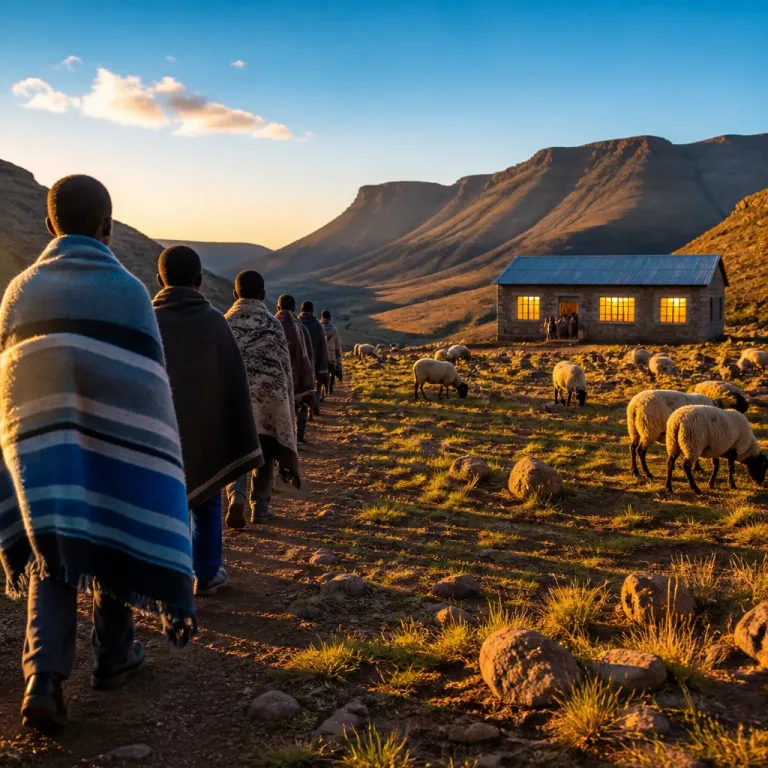
Residents who appealed for repairs emphasised that Lumkwana Primary serves local children whose alternatives are limited by distance and transport. For many families on the Wild Coast, the nearest alternate school may require lengthy travel, making prompt repairs essential to prevent prolonged educational disruption.
Teachers working under poor conditions can also experience lower morale and constrained ability to deliver the curriculum effectively, which in turn affects learner outcomes such as foundational literacy and numeracy at primary level.
What parents can do now
Parents and community members seeking to expedite repairs typically pursue several steps in parallel:
- Document the condition with photographs and written reports.
- Submit a formal complaint or request to the provincial Department of Education and retain proof of submission.
- Engage the school governing body to ensure the matter is on official school records and minutes.
- Ask ward councillors or local municipal officials to assist with follow-up and to request inspections.
| Issue | Potential short-term effect |
|---|---|
| Damaged classrooms | Overcrowding or temporary relocation of classes |
| Poor sanitation | Increased absenteeism and health risk |
| Leaking roofs or broken windows | Cold, wet classrooms and damaged materials |
What to expect from provincial authorities
When communities raise concerns publicly, the usual provincial response is to schedule an inspection and then advise whether repairs fall within routine maintenance or require a larger capital intervention. Funding decisions are governed by budget allocations and procurement rules, which can extend timelines from weeks to months.
Given the sensitivity of schooling infrastructure to learner safety and daily attendance, residents and parents are likely to press the provincial department for a clear timeline and an audit of the work required. Transparency about inspection findings and planned remedial action will be important to restore community confidence.
The appeal from Lumkwana residents follows a pattern seen across parts of the Eastern Cape where rural schools often face infrastructure shortfalls. Accurate, timely action by the provincial education authorities will determine whether learners can continue classes in safe, functioning facilities on the Wild Coast.
Reporting note: This article is based on a community appeal and social media posts highlighting the condition of Lumkwana Primary School. No official departmental response was contained in the material provided.