High‑end coffee experiences have moved beyond single‑origin beans and latte art into a territory more commonly associated with wine tasting. In some specialty cafés, a single serving of a rare coffee varietal can fetch the rough equivalent of about sixty US dollars — a price that reflects scarcity, careful processing and theatrical service as much as flavour.
From kitchen traditions to curated tastings
The story begins with intimate, everyday coffee rituals. A childhood memory of cafecito in a Cuban home — where the first espresso drops are whipped with sugar into an espumita — is credited with creating an early appreciation for coffee’s cultural meaning. That intimacy sits beside a very different contemporary scene: minimalist speciality cafés where patrons treat a pour‑over like a formal tasting and discuss tasting "notes" such as melon, lime and jasmine.
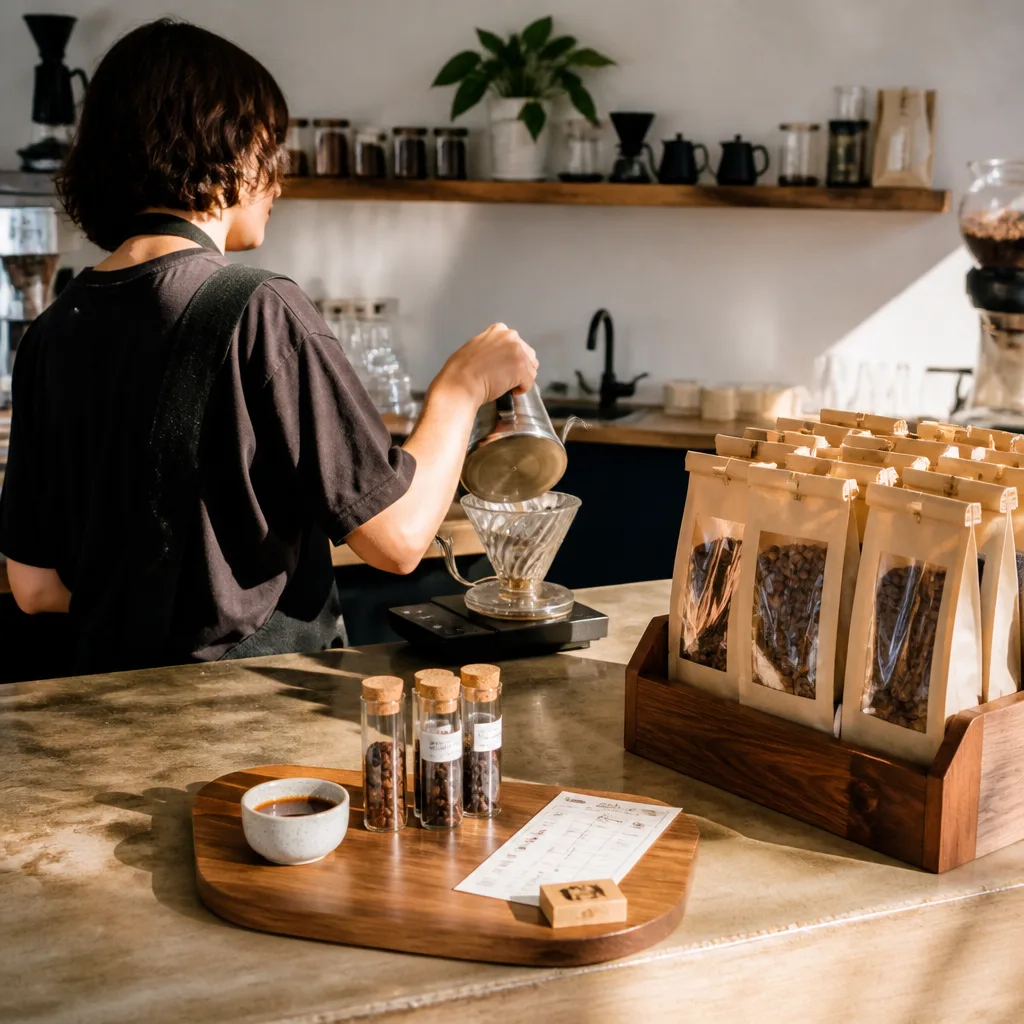
In Bushwick, Brooklyn, a café called Sey offers customers this kind of elevated encounter. Service there can include gram scales, precise brew protocols and guided explanations from knowledgeable baristas. The end result is a small cup presented with the same careful attention usually reserved for expensive wines.
“They were harvested about three or four months ago, and need to go through the roasting process. We’re getting some in this fall and winter,”
The quotation above reflects the cadence of high‑end coffee sourcing: limited harvests, micro‑lots and timed roasts that treat beans more like vintage produce than a commodity to be blended and mass‑distributed.
What makes a cup commanding a premium price?
- Varietal and provenance: Certain cultivars — notably Gesha from Panama — have become highly prized for unique flavour profiles.
- Scarcity and micro‑lots: Small harvests and limited shipments drive rarity, which pushes prices up.
- Craft and presentation: Precision brewing, bespoke service and a tasting format create perceived value beyond the beverage itself.
- Experience economy: Customers seeking novelty and status are willing to pay for an encounter that feels exclusive and educational.
At the upper end, specific Panamanian beans such as Panama Gesha or offerings labelled Finca Sophia may retail between modest and extremely high per‑cup prices depending on harvest year, roast and the café’s positioning. In these contexts, the beverage is as much about the story of the bean — who grew it, how it was processed, when it was roasted — as about the sensory result in the cup.
| Feature | Why it matters |
|---|---|
| Micro‑lot sourcing | Creates scarcity and distinct flavour profiles |
| Timed roasting | Highlights specific aromatic compounds at peak bloom |
| Guided service | Transforms drinking into a tasting experience |
What this means for South Africa
While the most headline‑grabbing prices come from international markets, the forces at work are familiar to South African coffee culture. Local specialty roasters and third‑wave cafés already emphasise single‑origin lots, direct trade relationships with growers and exacting brew methods. The global trend suggests several likely consequences:
- Growth in consumer interest for provenance and traceability, boosting demand for clearly labelled single‑origin beans.
- Opportunities for small roasters and specialty cafés to offer curated tastings and educational events that command higher per‑customer revenue.
- Greater focus on relationships between roasters and growers — both for ethical sourcing and to ensure distinctive product offerings.
For South Africans who enjoy coffee as both daily ritual and occasional treat, the appeal is practical as well as aspirational. A carefully brewed, single‑origin pour can introduce new flavours and stories without necessarily matching the extreme international price tags. For café owners and roasters, the challenge will be to preserve authenticity and accessibility while experimenting with premium offerings.
Ultimately, the arrival of ultra‑premium cups into the wider coffee conversation reflects how food and drink habits evolve: a simple pleasure becomes a site for craft, connection and curiosity. That means there is room in our neighbourhood cafés for both the comforting, everyday cup and the once‑in‑a‑while tasting that celebrates the extraordinary work behind a single bean.