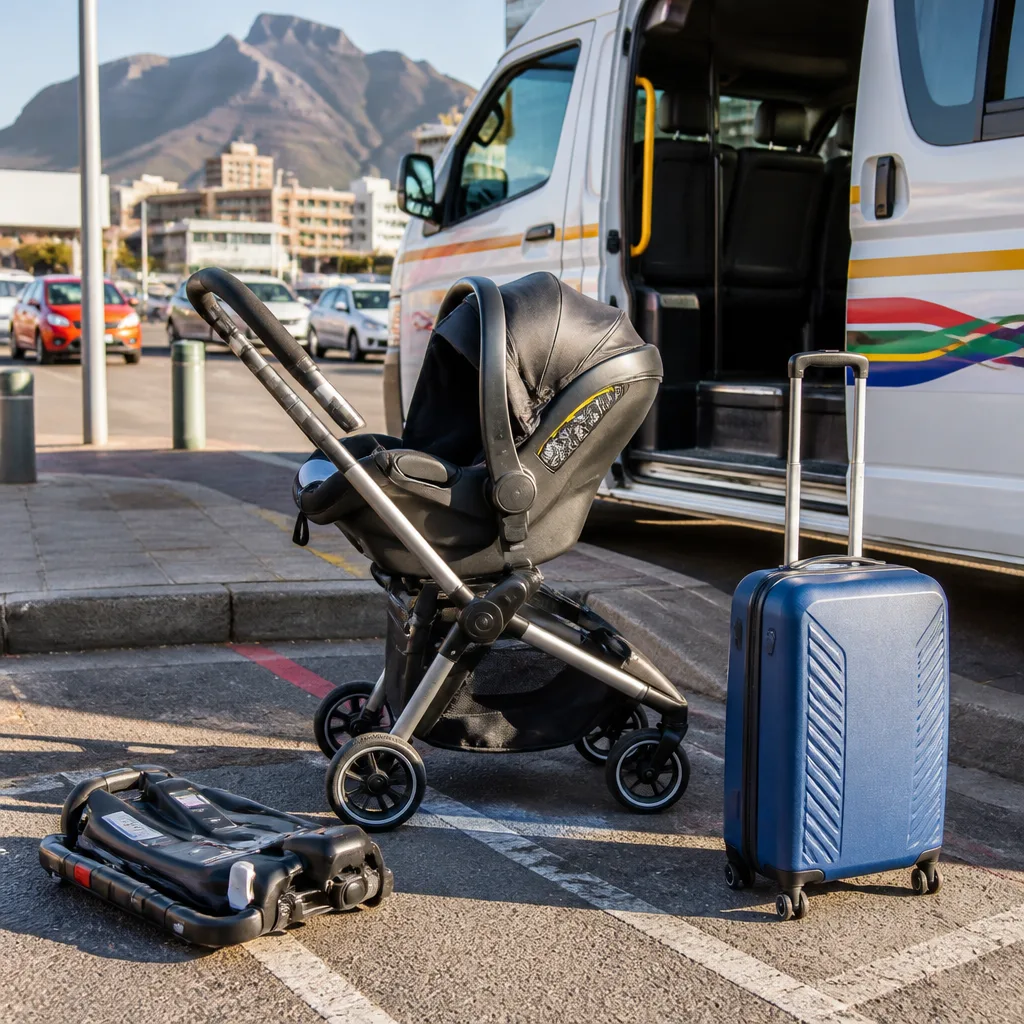
Moving a newborn around the city, between taxis, family cars and airports can be one of parenthood’s trickiest logistics. A car seat–stroller travel system is a combined solution that lets you snap an infant car seat onto a compatible stroller frame so you can move a sleeping baby without unstrapping them.
How travel systems work and who they suit
Most travel systems pair a rear-facing infant car seat with a stroller frame. From birth you can carry the baby in the car seat, then place the seat on the stroller frame for short walks or to move through busy spaces without waking your child. That makes them particularly useful for parents who often:
- use taxis or rideshare services and transfer a seat quickly between vehicles;
- travel by air and need to move through airports with minimal gear;
- want a compact solution that reduces the number of bulky items to lift and store.
Benefits and trade-offs
Travel systems score for convenience, but they are not the only option. Consider these points:
- Immediate use from birth: Because the infant car seat is rear-facing and designed for newborns, you can use the travel system straight away.
- Fewer items to juggle: snapping the car seat onto the stroller reduces the need to carry both a separate stroller and car seat at the same time.
- Flexibility for travel: models that work with or without a base make transfers between vehicles and taxis easier — useful when you don’t have a base installed.
- Not a long-term car seat solution: many travel-system infant seats are outgrown well before a child can ride forward-facing; you may still need a convertible or all-in-one seat for the car later on.
Real-world pick: what reviewers like
The Doona car seat–stroller stands out in international reviews because it integrates wheels into the seat itself, folding from car-seat mode into a stroller in seconds. Its compactness and speed of conversion are often praised by parents who move through airports or frequently switch vehicles.
"This is the easiest stroller to maneuver through airport security and around a terminal," one frequent-flying parent said in testing notes cited in the original review.
A simple comparison
The table below summarises the main differences between a travel system infant seat and a convertible/all-in-one car seat option:
| Feature | Travel system (infant seat + stroller) | Convertible / all-in-one seat |
|---|---|---|
| Use from birth | Yes | Often yes (convertible) but designed to stay in the car |
| Portability between vehicles | High — designed to be moved and snapped onto a stroller | Low — typically installed in the car and left there |
| Longevity | Shorter — infant seats outgrown sooner | Longer — can convert to forward-facing as child grows |
Practical tips for South African families
If you’re weighing a travel system, keep these practical considerations in mind:
- Check compatibility between the car seat and stroller frame — not all seats fit all frames.
- Confirm whether the seat requires a base for secure installation, especially if you’ll be moving between taxis or using rideshares often.
- Test the folding and unfolding action in-store if possible; what looks simple online can be fiddly with a crying baby and shopping bags.
- Remember that a travel system may reduce the amount of separate gear, but you may still need a separate long-term car seat as your child grows.
For many families the travel system is a game-changer, especially in urban settings where short transfers and airport navigation are frequent. If you prioritise mobility and minimal handling of a newborn, a well-chosen travel system can save time, reduce stress and keep little ones comfortable on the move.
This guide focuses on functionality and everyday use; always check South African road-safety guidance and SABS-approved car-seat standards when selecting any child restraint.