
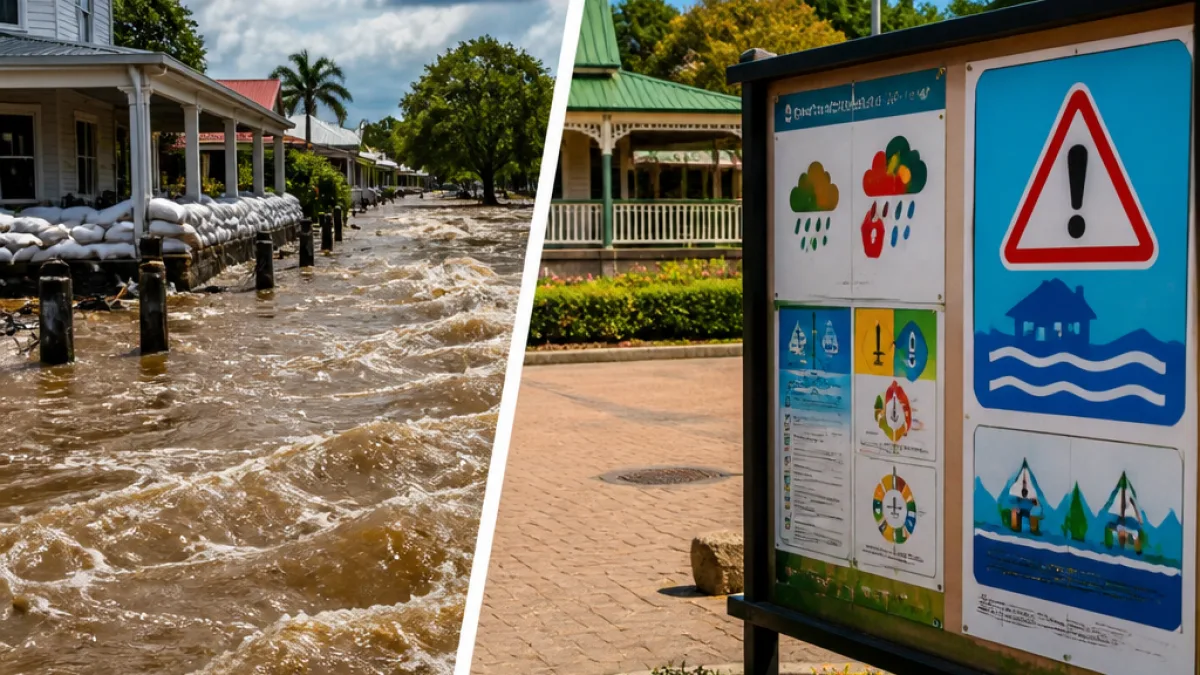
US White River crests; flood warnings stay in place
The worst of the flooding along the White River in Indiana appeared to be over on 17 August 2026, but authorities warned that impacts could persist for several days, according to reporting from John Szink. Jason Puma of the National Weather Service in Indianapolis said the crest appeared to have occurred in Morgan County, but that flood warnings remained active because many locations stayed well above flood stage.
"Impacts will continue for several days," Jason Puma said, according to the report.
Authorities highlighted that flooding would continue to be a concern downstream through parts of Morgan, Owen and Greene Counties, including areas near Bloomfield. The report noted that many residents in southern Indiana who live along the river “have never seen the river come up this high before,” and that the current flooding may be comparable to historic flooding dating back more than a century.
Why this matters to residents of White River (Mpumalanga)
Although the recent event took place overseas, the episode offers locally relevant lessons for the White River community in Mpumalanga. Rivers and their floodplains are shared assets: they support tourism, agriculture and biodiversity, but they also carry risk during heavy rain. As a local correspondent with an eye on energy, tourism and environmental resilience, I note three practical considerations this international report raises for our area.
- Preparedness and alerts: Extended impacts after a river crest are common. Residents should be familiar with local warning systems (SAWS advisories, municipal alerts and ward councillors' communications) and have a household plan for flooding.
- Downstream effects: Flooding rarely affects only the immediate riverbank. Floodwater can travel and remain high for days, so properties and routes some distance from the channel may still be at risk.
- Tourism and business continuity: White River is a gateway for visitors to the Lowveld. Flooding—local or regional—can affect access, accommodation and visitor safety. Businesses should consider contingency measures and communicate clearly with guests when heavy rain is forecast.
Facts from the US report
| Detail | Report |
|---|---|
| Date of report | 17 August 2026 |
| Agency quoted | National Weather Service, Indianapolis |
| Counties cited | Morgan, Owen, Greene (including near Bloomfield) |
| Situation | Crest reached in Morgan County; flood warnings remain as areas stay above flood stage |
Practical steps for local residents
While we should not conflate two different river systems, the behaviour of rivers under heavy rainfall is universal. Residents of White River and surrounding wards in Mpumalanga can reduce risk by taking straightforward steps:
- Sign up for municipal and SAWS alerts and keep a battery-powered radio handy in case of power outages.
- Know the nearest higher ground and evacuation routes; avoid driving through moving water.
- Secure important documents in waterproof containers and prepare an emergency kit with essentials (medicines, torch, water, charged phone battery bank).
- Businesses dependent on visitors should have contact plans and be ready to move bookings or adjust operations when severe weather is forecast.
Flooding is both a short-term emergency and a long-term planning challenge. Municipal engineers, conservation authorities and emergency management officials here and elsewhere study events like the recent White River crest in the US to improve forecasting, early warning and infrastructure resilience. Local residents who live, work or run businesses near rivers benefit when they pair that institutional work with household preparedness.
The US report is a reminder: rivers can rise fast and remain dangerous after the peak has passed. Keeping informed and prepared reduces harm to people, property and the local economy.













