
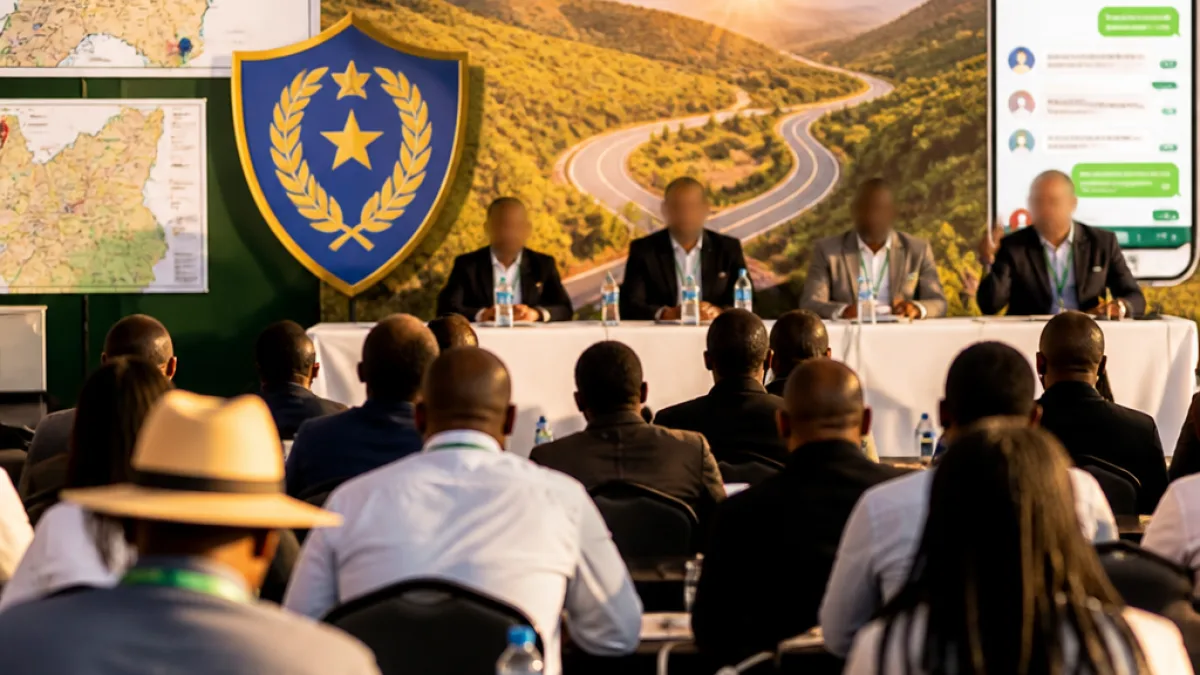
Mpumalanga’s tourism sector leaders have urged the provincial government to overhaul how it manages the industry, saying tourism growth will remain constrained while problems with governance, departmental capacity, road access and visitor safety persist.
Call for cross-departmental approach
Speakers at the Mpumalanga Tourism Expo on Friday argued that tourism must stop being treated as the sole responsibility of the Department of Tourism. Oupa Pilane, national chairperson of the Southern Africa Tourism Services Association, said poor governance across provincial departments undermines the province’s ability to present functioning, safe destinations to domestic and international visitors.
“For me, summing up the presentations that were done by all three speakers, number one, we have a challenge of governance in the province,”
Pilane said departments such as Roads, Safety and Social Development each carry responsibilities that affect the visitor experience and the safety net for tourists who fall victim to crime. He warned that because those departments do not always recognise their roles in tourism, the provincial tourism department is being expected to perform beyond its capacity.
Private sector filling gaps
Industry leaders pointed to examples of the private sector stepping in to provide services that would typically belong to government. A tourism safety WhatsApp line operated by private interests was cited as an instance where a safety function that should be held by the Department of Safety is instead managed by businesses and civil society.
The message from the expo was clear: without a coordinated destination development approach — where multiple departments and agencies align around the needs of a tourism area — the province will struggle to convert its natural and cultural assets into sustainable economic benefits.
Transport and safety as limiting factors
Transport was highlighted as a critical shortcoming for travellers who seek to extend or modify planned itineraries. Inadequate or unsafe transport links affect the mobility of visitors and their willingness to explore beyond established routes, stakeholders said. Safety remains a central concern for both visitors and operators, with industry representatives urging provincial safety authorities to lead discussions on how to protect tourists.
| Department | Role in tourism |
|---|---|
| Department of Roads | Ensure safe, accessible roads to attractions and broader mobility for visitors |
| Department of Safety | Coordinate policing, visitor protection strategies and emergency response |
| Social Development | Provide support services when tourists are victims of crime or trauma |
| Department of Tourism | Destination marketing, industry support and coordination of stakeholders |
Capacity concerns at provincial level
Pilane told delegates that executive staff in some government units lack the specialised understanding of the tourism ecosystem required to lead destination planning effectively. He said this skills gap has led the private sector to shoulder responsibilities that should rest with government, weakening accountability and long-term planning.
Stakeholders at the expo argued for a model where departments commit to shared objectives for destinations, including clarity on which institution manages specific services such as tourist safety messaging, transport coordination and victim support.
What this means for residents and small operators
A coordinated approach could help small and medium tourism operators by clarifying where to seek support for issues such as road maintenance outside towns, crime prevention partnerships and social services for affected visitors. Industry leaders said government must also invest in the administrative capacity to manage tourism beyond promotional activities — planning, regulation, interdepartmental coordination and crisis response.
- Tourism growth requires more than marketing: it depends on functioning roads, safety and support services.
- Private sector initiatives, like the safety WhatsApp line, point to gaps in government provision.
- Stakeholders want a destination development model that binds multiple departments to shared responsibilities.
If the province adopts the destination development approach called for at the expo, officials will need to set clear mandates, build capacity and establish joint planning mechanisms to make sure tourists can travel safely and businesses can plan for sustainable growth. The outcome will affect job creation in hospitality, small tourism enterprises and the broader reputation of Mpumalanga as a destination.
Documentation of the expo presentations shows industry leaders are prepared to partner with government — but they say the first step is for provincial departments to accept their roles in tourism and to work together to make destinations safe, accessible and economically productive.













