The Western Cape’s Minister of Agriculture, Economic Development and Tourism, Dr Ivan Meyer, has welcomed a national proposal to broaden production of South Africa’s Foot‑and‑Mouth Disease (FMD) vaccine by allowing qualifying private sector firms access to the Agricultural Research Council’s (ARC) intellectual property.
Decision endorsed by ARC board
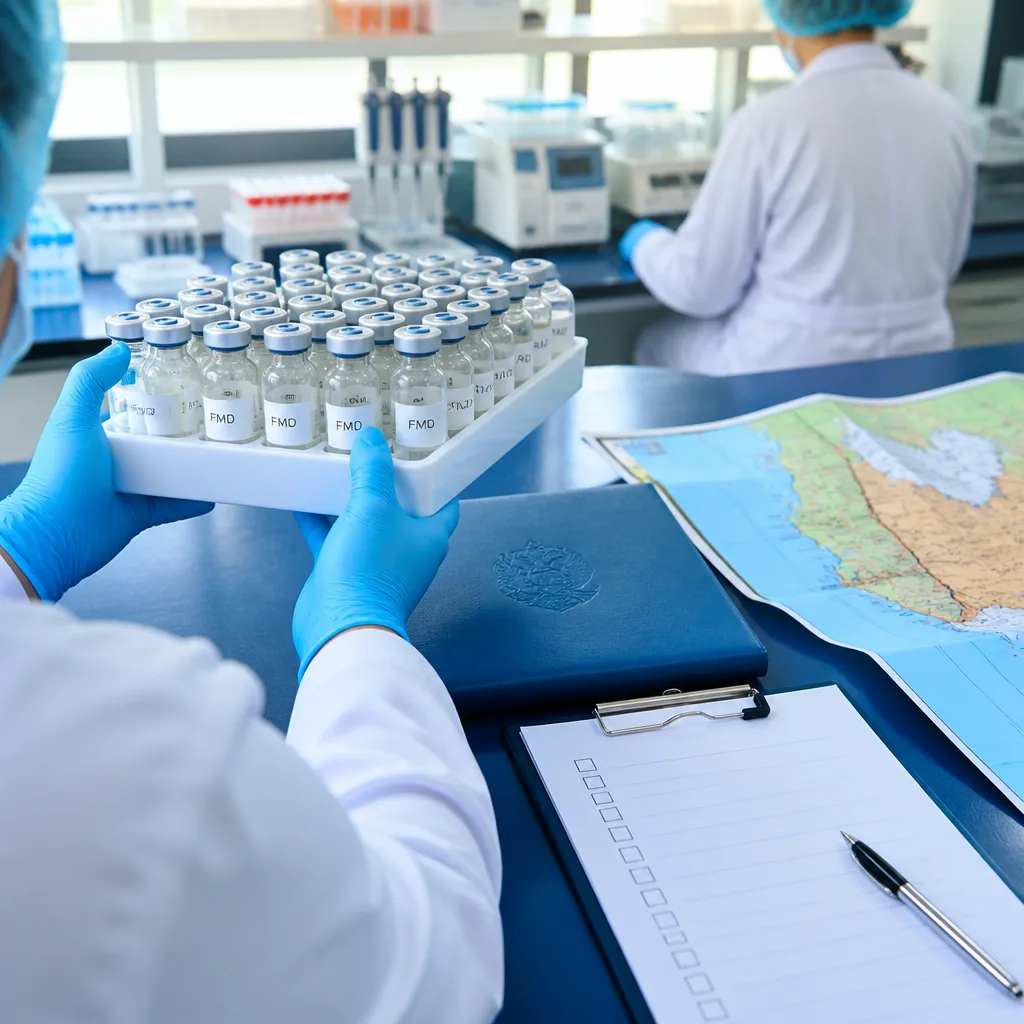
The proposal, tabled by National Minister of Agriculture Willie Aucamp and unanimously endorsed by the ARC Board, would permit private manufacturers to participate in the large‑scale manufacture of the country’s FMD vaccine. The move is presented as a practical measure to expand production capacity and strengthen the national response to future FMD outbreaks.
Minister Meyer described the decision as a “significant breakthrough” in building resilience in South Africa’s animal health system and said it recognises that countering FMD requires coordinated action across government, science and the private sector.
“This is a bold and practical intervention that will strengthen our ability to combat FMD and protect the country’s livestock industry,” the minister said.
Rationale and anticipated benefits
The announcement frames the expansion as a way to ensure a more reliable supply of vaccines, accelerate responses to outbreaks and bolster national biosecurity. The provincial minister emphasised that the livestock sector underpins economic growth, rural development and employment along the agricultural value chain.
According to the provincial statement, the proposal aims to use ARC expertise while leveraging private manufacturing capacity to:
- increase domestic vaccine availability and reduce dependence on external suppliers;
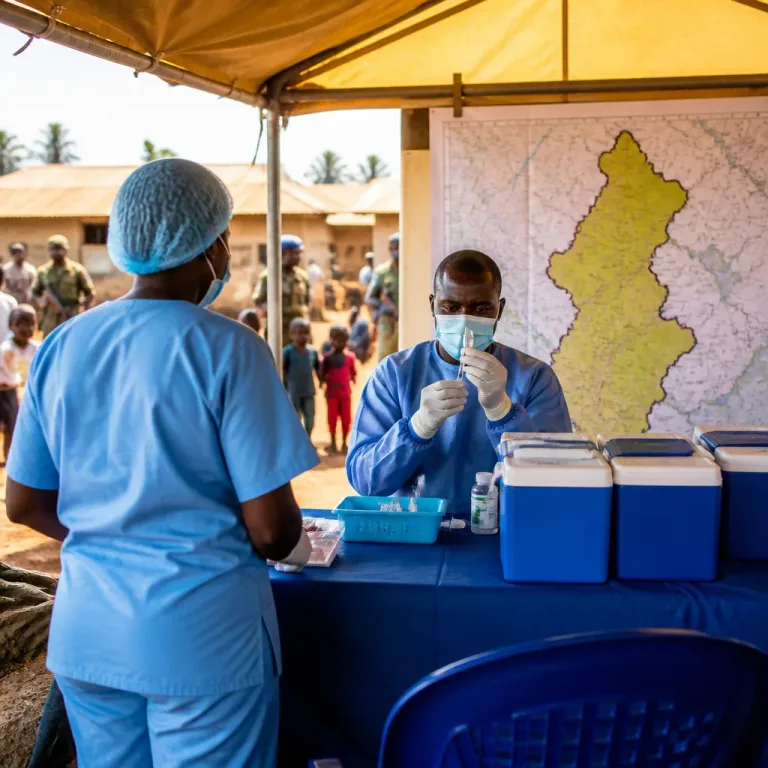
- improve speed and scale of vaccination during outbreaks;
- safeguard export markets and food security by reducing outbreak risk;
- protect jobs across the livestock and agricultural value chains.
FMD: a persistent threat
Foot‑and‑Mouth Disease is identified in the statement as a serious threat to livestock production, export markets and jobs. The provincial reaction underscores the economic as well as animal health rationale for expanding vaccine manufacturing capability.
| Risk or challenge | Expected effect of proposal |
|---|---|
| Outbreaks leading to production losses and trade restrictions | Faster and larger domestic vaccine supply to limit spread and impact |
| Dependence on limited vaccine producers | Broader manufacturing base through public‑private partnerships |
| Threats to food security and rural employment | Strengthened resilience of the livestock sector and value chain protection |
Collaboration between science and industry
Minister Meyer highlighted the value of collaboration, noting that the ARC has developed “world‑class expertise in animal health research.” The proposed approach would allow private companies to utilise ARC intellectual property while participating in large‑scale manufacture. The province framed this as a pragmatic way to combine public research capacity with private‑sector manufacturing and distribution strengths.
Questions remain about implementation details not set out in the provincial note: the criteria for qualifying private manufacturers, the terms of intellectual property access, timelines for scaling production, and how quality assurance and regulatory oversight will be maintained. The announcement did not provide these operational specifics.
Expanding domestic vaccine capacity would align with broader animal health and biosecurity objectives, but success will depend on clear agreements, sustained investment, regulatory rigour and coordination between national and provincial authorities, research institutions and industry partners.
Readers with concerns about animal health or vaccination programmes should consult their provincial veterinary services or the national Department of Agriculture for guidance rather than making clinical decisions without professional advice.