The World Health Organization (WHO) Regional Office for Africa on 22 September 2026 published a new manual to help primary health care workers in Africa identify and manage women with suspected breast cancer, a move aimed at reducing diagnostic delays that leave most regional cases detected at an advanced stage.
Practical tools for front‑line health workers
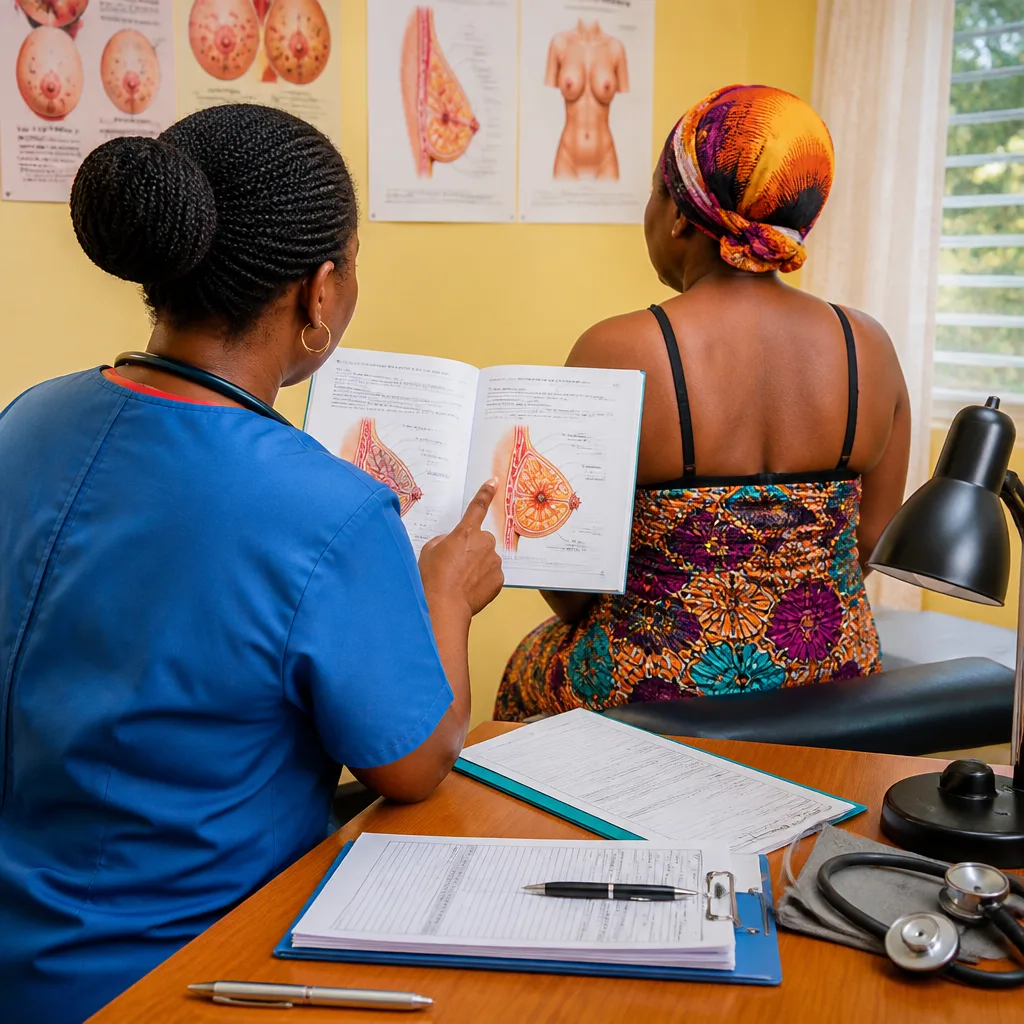
The manual, Evaluation and Workup for Suspected Breast Cancer Using a Primary Health Care Approach, offers step‑by‑step guidance for nurses, midwives and other primary care providers on recognising suspicious breast symptoms, conducting an appropriate initial clinical assessment, counselling patients and ensuring timely referral for diagnosis and treatment.
WHO said the guidance supports the WHO Global Breast Cancer Initiative, which prioritises improved early diagnosis, timely treatment and quality care as the main strategies to lower breast cancer mortality.
“Primary health care providers are often the first point of contact for women with breast symptoms. Strengthening their capacity to recognise warning signs, conduct an appropriate clinical assessment, provide counselling and ensure timely referral is key to reducing diagnostic delays and improving outcomes,” said Dr Benido Impouma, Director of the Health Promotion, Disease Prevention and Control Cluster at WHO Regional Office for Africa.
Why the guidance matters
Breast cancer is the most commonly diagnosed cancer among women worldwide and is a leading cause of cancer‑related illness and death in the WHO African Region. WHO highlighted that, in 2022, an estimated 2.3 million women were diagnosed with breast cancer globally and about 670 000 people died from the disease.
In many countries across the African region, WHO said more than 70% of breast cancer cases are detected at late stages, which reduces treatment options and worsens survival outcomes. The new manual is explicitly aimed at resource‑constrained settings and at health systems that are not yet ready to implement organised, population‑based mammography screening programmes.
- Early recognition: A focus on clinical examination and history taking to identify warning signs in symptomatic women.
- Referral pathways: Practical advice on when and how to refer patients for imaging or specialist assessment.
- Continuity of care: Guidance on counselling, documentation and follow‑up to support patients through diagnosis and treatment.
Implications for South Africa
South Africa forms part of the WHO African Region and shares many of the challenges the guidance is designed to address: primary care facilities are frequently the first contact for women with breast symptoms, and timely diagnosis remains crucial to improving outcomes. While the country has tertiary and specialised cancer services in urban centres, delays in referral and access barriers can still lead to late presentation for many women.
Health managers and clinical teams in South African primary care settings can use the manual to strengthen routine practice: improving clinical assessment, standardising referral decisions and ensuring follow‑up for women with suspected breast lesions. Integrating these approaches with existing national cancer control strategies and referral networks may help reduce preventable delays.
What clinicians and patients should do
The WHO manual is intended for health professionals working in clinics and community health centres. It emphasises that, where mammography programmes are not feasible, priority should be given to early diagnosis of symptomatic women through an organised pathway from primary care to definitive diagnosis and treatment.
Women who discover a breast lump, persistent breast pain, nipple discharge or changes in breast shape or skin should seek assessment at their local clinic or community health centre without delay. Clinicians are advised to follow the manual’s clinical assessment checklist, provide clear counselling about next steps, and expedite referrals to diagnostic services.
As with any health concern, patients are urged to consult a clinician rather than self‑diagnose. Early clinical evaluation remains the best way to identify serious disease and access timely care.
| Key regional facts (2022) | Figure |
|---|---|
| Global breast cancer diagnoses | 2.3 million |
| Global deaths from breast cancer | 670 000 |
| Proportion detected late in many African countries | Over 70% |
The WHO manual is a practical resource aimed at narrowing the gap between first presentation and definitive care. For clinicians seeking to implement its recommendations, local health departments and provincial cancer programmes will be central to adapting the guidance to national referral systems and diagnostic capacity.
Readers with concerns about breast symptoms should contact their nearest clinic or speak to their healthcare provider for assessment and advice.