
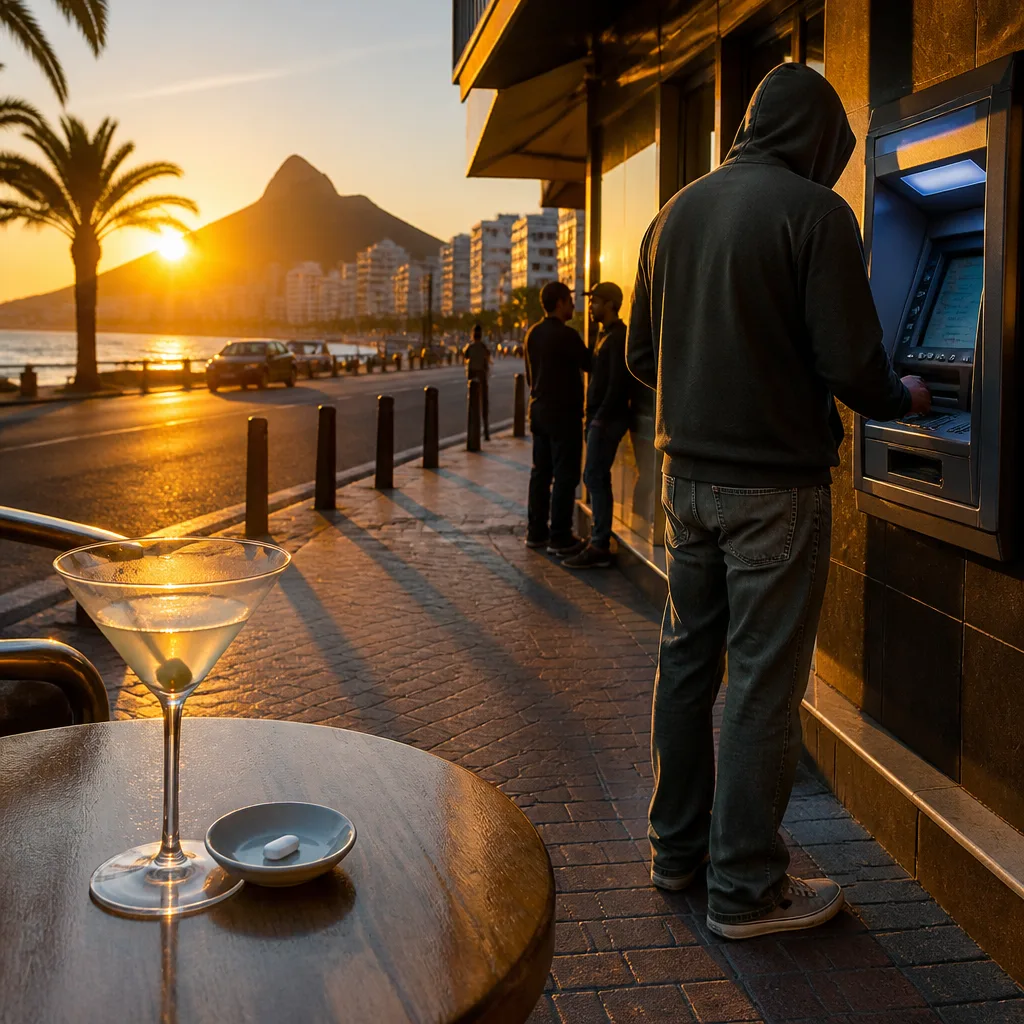
The US State Department updated its travel advisory for Brazil on 31 August 2026, drawing attention to persistent dangers in urban and tourist areas including murder, armed robbery, carjacking, express kidnappings and incidents in which victims are drugged and robbed.
What the advisory says
Fox News reported the advisory remained at Level 2: Exercise Increased Caution overall, but that the update emphasised specific threats linked to crime and kidnapping. The State Department warned that violent crime "occurs in urban areas, day and night," and urged travellers to be vigilant, especially around beaches, bars and transportation hubs.
"Assaults are common, including with sedatives or drugs placed in drinks, especially in Rio de Janeiro," the advisory said.
It also drew attention to "express kidnapping", where victims are forced to withdraw cash from multiple ATMs or transfer funds via banking apps, and noted that while Brazilians are most often targeted, foreigners remain vulnerable.
Practical precautions for travellers
For South Africans planning trips to Brazil, the advisory suggests simple steps to reduce risk. These include keeping a close eye on drinks, avoiding isolated areas at night and taking care at ATMs and transport hubs.
- Watch drinks in bars and at social gatherings; do not accept drinks from strangers or leave drinks unattended.
- Use ATMs in secure, well‑lit locations and cover PIN entries; consider using branch ATMs during the day.
- Avoid travelling alone late at night, particularly to beaches, nightlife districts and informal housing areas.
- Keep emergency contact numbers accessible and register travel plans with family or your travel insurer.
Where risks are highest
The update reported that a separate Level 4: Do Not Travel designation remains in effect for certain regions, including international land borders, informal housing developments and some areas around Brasília. The State Department specifically flagged:
| Risk | Notes |
|---|---|
| Violent crime | Occurs day and night in urban areas; includes murder and armed robbery. |
| Express kidnapping | Perpetrators force victims to withdraw cash or transfer funds via banking apps. |
| Drink‑spiking | Assaults using sedatives or drugs in drinks reported, particularly in Rio de Janeiro. |
Fox News noted that the advisory highlighted particular caution around beaches, bars and transportation centres, areas often frequented by international visitors.
Context and consequences
Travel advisories like this do not prohibit travel, but they signal increased risk and are used by travellers, insurers and tour operators to make informed choices. For those with existing bookings, the advisory may affect travel insurance claims, evacuation plans and the willingness of some agencies to operate in higher‑risk zones.
For budget‑conscious travellers and families, practical steps such as arranging airport transfers in advance, avoiding isolated spots after dark and using hotel safes for valuables can lower exposure to opportunistic crime. Those relying on banking apps should consider emergency withdrawal or credit card backup plans and ensure two‑factor authentication is active.
Travellers with concerns should consult their travel insurer and consider registering with their home country’s consular services when travelling abroad. While the State Department said kidnapping of US citizens for ransom is rare, it emphasised that both locals and foreigners can be victims of express kidnapping schemes.
This advisory serves as a timely reminder that festive seasons and school breaks often coincide with increased international travel; careful planning and local awareness can make a holiday safer and more enjoyable.











