Travel giant TUI says bookings have returned to more normal levels after weeks of disruption caused by the Mideast war and a punishing European summer of heatwaves and wildfires.
Bookings rise while summer revenue slips
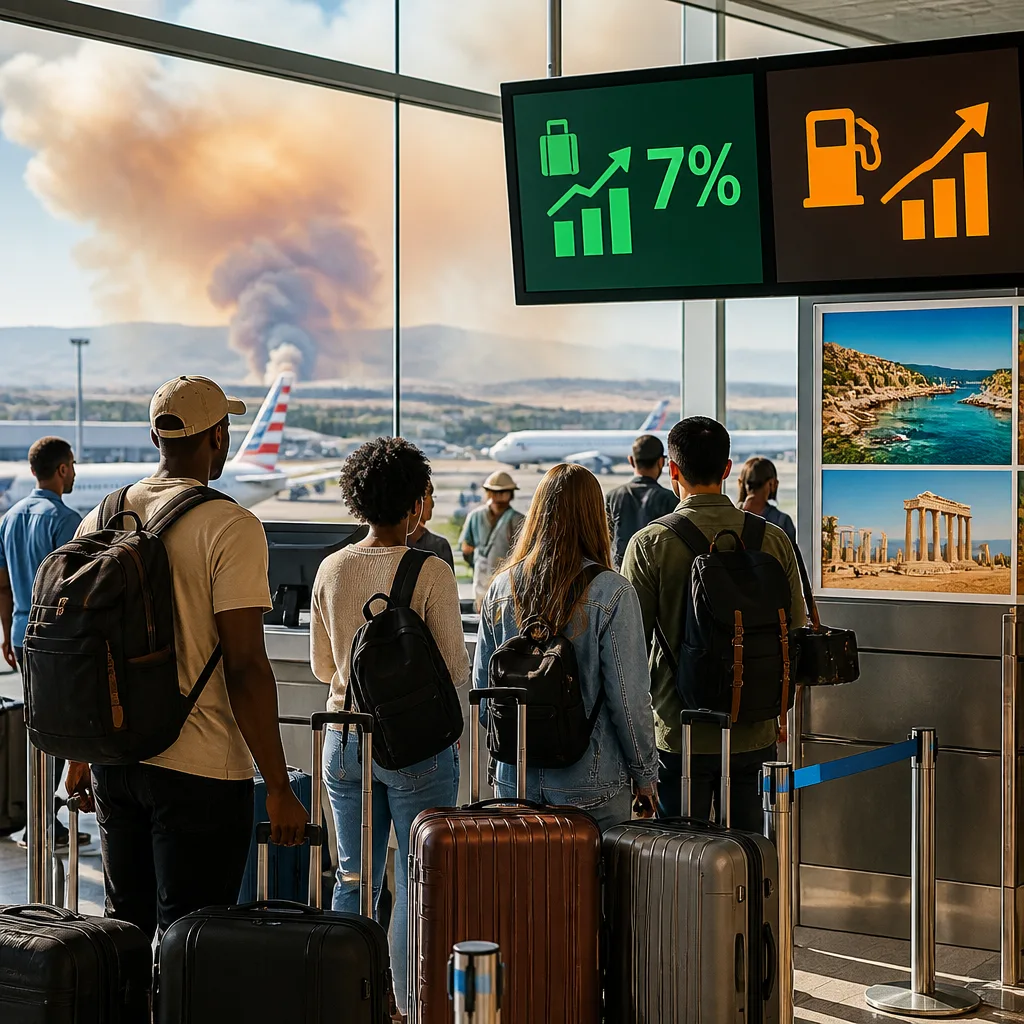
The world’s largest travel group reported that booked revenue for the summer was down 6% compared with the same season last year, even as bookings in the most recent four-week period rose by 7%. The company presented the figures as it released its latest quarterly results.
TUI also said hotel occupancy for the quarter to end-June was down 3%, an improvement from the six percentage point fall seen in the preceding six months. The group had earlier issued a profit warning in April after the Mideast war forced it to repatriate around 10 000 travellers, including 5 000 passengers who were stranded on two cruise ships in the Gulf.
"Business is coming back, it's normalising," chief executive Sebastian Ebel said on an earnings call. "We have seen strong weeks."
Profit and market reaction
Despite the recent improvement in bookings, TUI reported a weaker net result for the quarter. It recorded a net profit of €124.2 million, down 44.7% from the same period a year earlier. The company’s shares fell by just under 3% in early trading in Frankfurt following the results.
Fuel, weather and shifting demand
The company flagged several pressures on travel demand and prices. Elevated jet fuel costs linked to the conflict between the US, Israel and Iran have affected airlines, cruise operators and holiday prices. At the same time, intense heatwaves and large wildfires in Spain, France, Portugal and Greece have contributed to a turbulent summer for tourism in parts of Europe.
However, TUI said it had seen renewed interest in the Eastern Mediterranean as holidaymakers return after months of geopolitical uncertainty. On the earnings call, Mr Ebel said the group had not yet observed a significant impact on bookings from the heatwave and fires, noting that many of TUI’s other destinations had cooler weather than heatwave-hit Germany.
He added that there had been fewer wildfires than usual outside the Mediterranean, and suggested that hotter summers could shift demand towards spring and autumn shoulder seasons, potentially strengthening those periods over the coming years.
Snapshot of key figures
| Measure | Change |
|---|---|
| Booked summer revenue (year-on-year) | Down 6% |
| Bookings in the past four weeks | Up 7% |
| Quarterly net profit | €124.2 million (down 44.7%) |
| Hotel occupancy (quarter to end-June) | Down 3% |
What this means for South African travellers
- Return to popular Eastern Mediterranean destinations may make late-summer and autumn deals more available as operators replenish capacity.
- Higher jet fuel costs can keep air fares elevated, particularly on routes experiencing longer or diverted flights because of geopolitical tensions.
- Shifts towards stronger shoulder seasons mean travellers could benefit from lower prices and quieter resorts in spring and autumn.
For South Africans planning overseas travel, particularly to Europe, the picture is one of cautious recovery: demand appears to be returning, but costs and weather-related disruption remain important variables. The evolving situation will matter to airlines, tour operators and travellers preparing trips for the remainder of the year.
As holiday plans firm up, travellers should monitor operator advisories and consider flexible bookings where possible to manage potential changes driven by fuel costs or sudden weather events.