TUI, Europe’s largest travel company, reported a third-quarter operating profit below market expectations on Wednesday as weaker bookings and elevated jet fuel costs linked to the US–Iran war pressure results. The German operator — which runs cruise ships, airlines and hotels — confirmed it would nevertheless maintain its full-year adjusted operating profit outlook.
Numbers and outlook
The company said it earned an operating profit of EUR234.6 million in the quarter, a drop of almost 27% from the prior year and lower than the EUR274 million that analysts polled by LSEG had forecast. TUI left its adjusted operating profit guidance for the 2026 financial year unchanged at EUR1.1 billion to EUR1.4 billion.
| Metric | Result / Guidance |
|---|---|
| Third-quarter operating profit | EUR234.6 million (down ~27% year-on-year) |
| Analyst consensus (LSEG) | EUR274 million |
| Full-year adjusted operating profit guidance | EUR1.1 billion–EUR1.4 billion |
Why bookings have slowed
In its statement, TUI pointed to three main pressures: ongoing uncertainty related to the US war with Iran, persistently high jet fuel prices and the timing mismatch caused by new cruise ship deliveries that added capacity when demand was softer than expected. The company warned that, while travellers still want to travel, the moment at which they choose to book has shifted.
“2026 is no ordinary year. TUI has held its own well in a difficult global environment. Our business model is proving to be resilient. Travel remains highly relevant to people's lives, but the timing of travel decisions has shifted,” said TUI Chief Executive Sebastian Ebel, according to the company statement.
The conflict has already influenced a number of European carriers and tourism companies. Major airlines including IAG, Lufthansa and Air France-KLM have flagged capacity reductions or freezes as they try to limit the financial impact of weaker demand and higher fuel bills. TUI’s shares have fallen by more than 12% since the start of the US–Iran conflict, reflecting investor concern about fallout across travel markets.
What this means for South African travellers
Although this is a European operator, the developments are relevant to South Africans planning overseas breaks or cruises because:
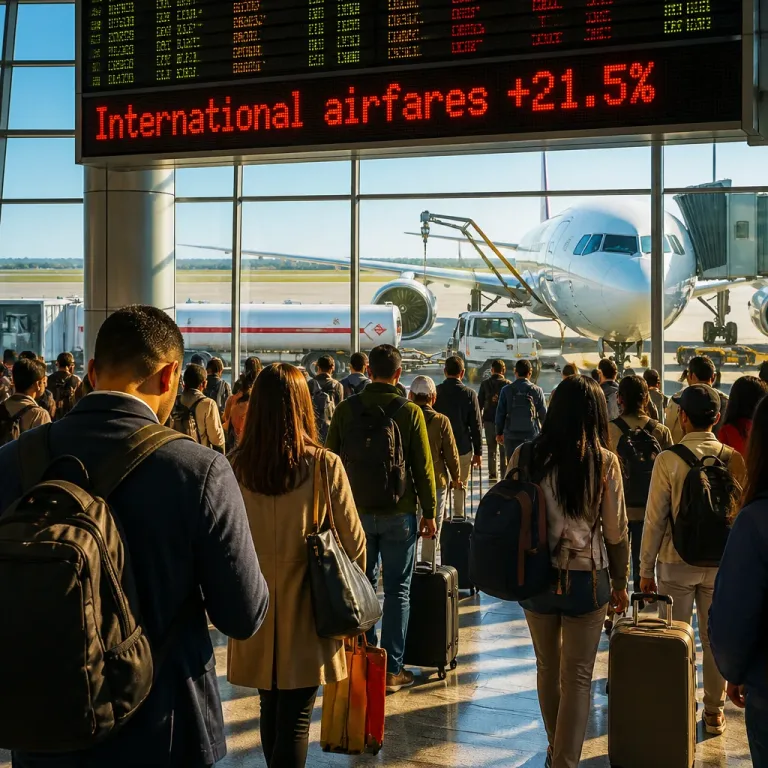
- Higher fuel prices feed through into airfares, which can make long-haul holidays more expensive.
- Shifted booking timing means last‑minute deals or constrained seat availability at popular times; flexibility is now more valuable.
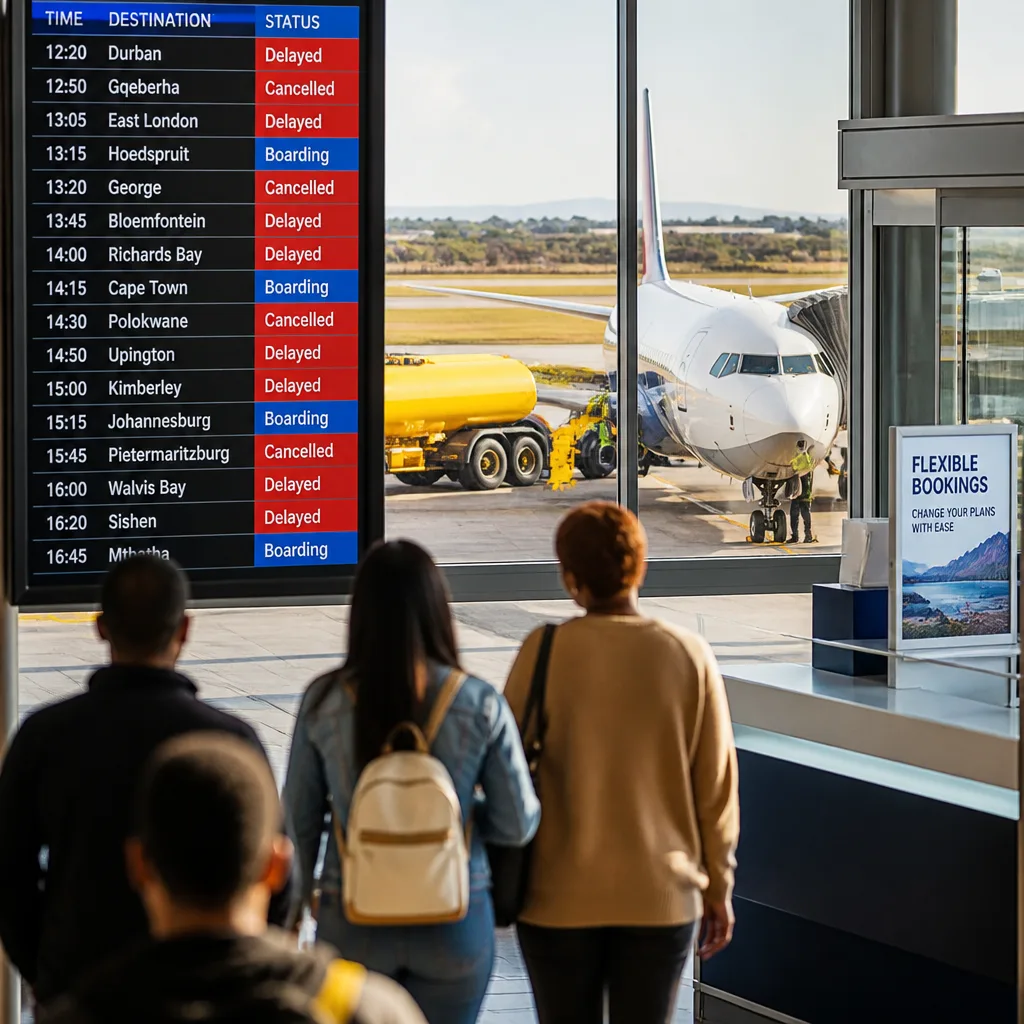
- Industry-wide capacity decisions (route cuts or fewer flight frequencies) can affect schedules and connections for travellers leaving from South African airports.
For budget-conscious holidaymakers, the combination of higher operating costs and uncertain demand could mean fewer deep discounts in peak seasons. Travel agents and airlines may increasingly promote flexible rebooking options and bundled packages to reassure hesitant customers.
Practical tips for planning travel now
- Consider flexible fares or travel insurance that covers cancellations related to geopolitical disruption;
- Book refundable or changeable accommodation when possible, and check cruise cancellation terms closely;
- Compare total trip costs (fares plus fuel surcharges and transfers) rather than headline prices alone;
- Keep an eye on exchange rates when converting rand for overseas spending, and set alerts for fare changes.
The TUI update was reported by Joanna Plucinska and Paolo Laudani, who recorded the company’s figures and CEO comment. For South African travellers, the message is practical rather than alarmist: demand remains, but timing and cost have shifted. Planning with flexibility and attention to the small print will help keep travel dreams on track even as the global picture changes.