The City of Tshwane has excised a proposed entertainment zone along Lynnwood Road from its newly approved Hatfield Precinct Plan, a move intended to curb the growth of new nightclubs on the corridor widely known as “the strip”. The adjustment follows public objections and formal input from the University of Pretoria.
Plan refocused on safety, transport and public space
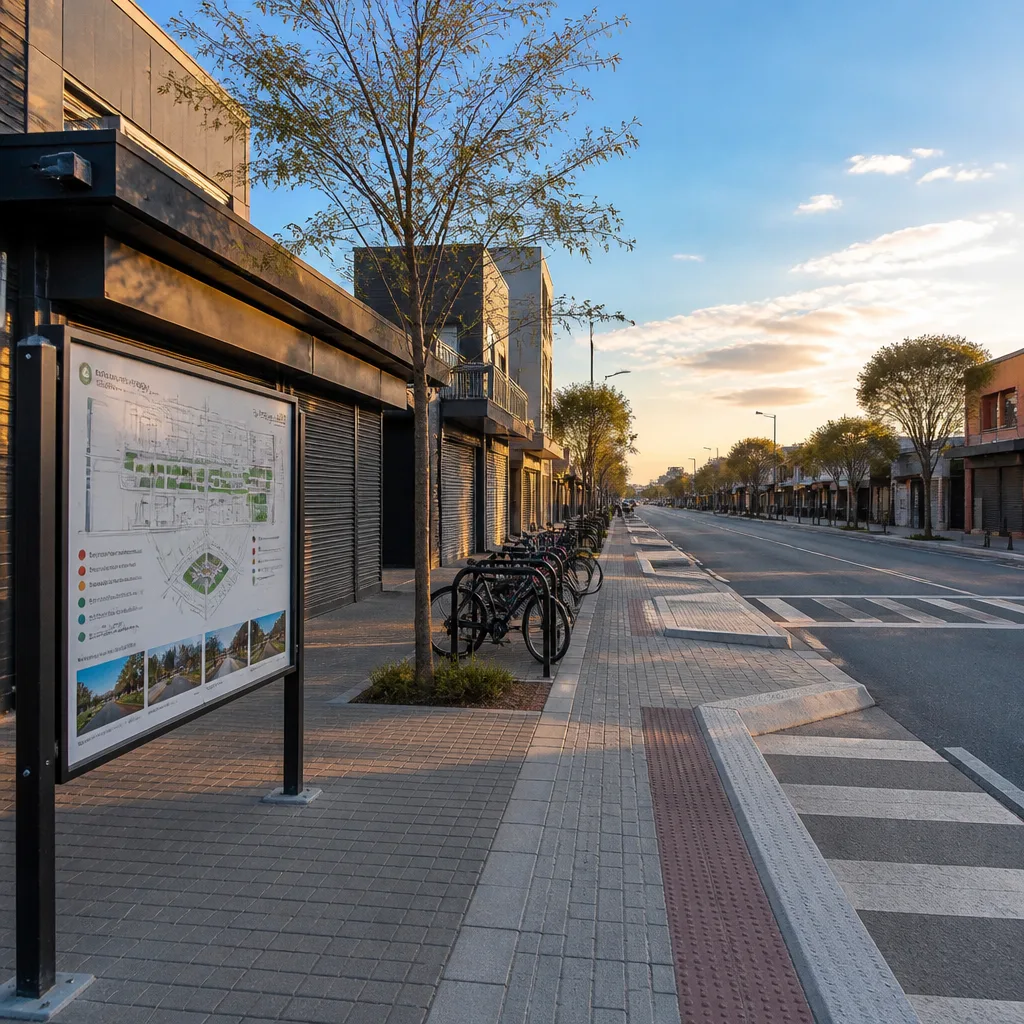
City planners say the revised plan aims to steer private investment and municipal spending towards creating a safer, more liveable student hub that balances retail, recreation, socialising and transport functions. Key objectives include improving pedestrian safety on Jan Shoba Street and Lynnwood Road, expanding parking to ease student parking pressure, and developing a network of public open spaces.
- No new places of entertainment will be permitted along Lynnwood Road between Brooklyn Road and Ox Street — the area commonly called the strip.
- Existing entertainment rights remain intact; the change prevents the granting of new entertainment rights in that stretch.
- Transport integration features prominently, with the plan proposing a more connected public transport system for the precinct.
Tshwane ward 82 councillor Siobhan Muller said the approved plan could “make a meaningful difference in curbing the establishment of new nightclubs in the area, provided officials enforce its provisions.”
Public participation and context
An earlier draft of the precinct plan was released for public comment in October 2025. Public participation events took place in February and March this year, and officials recorded 80 written comments, including detailed submissions from the University of Pretoria.
The Hatfield precinct contains a high concentration of student accommodation, restaurants, bars, embassies and a major shopping centre. The area’s population doubled between 1996 and 2011, with a demographic shift towards younger residents and smaller households — trends that have brought increased demand for nightlife and parking.
| Plan focus | What it seeks to achieve |
|---|---|
| Safety and pedestrian links | Better crossings and safer footpaths along major corridors |
| Transport integration | More connected public transport network serving students and visitors |
| Public open spaces | Creation of additional safe, affordable public spaces |
| Land use control | Preventing new entertainment rights on Lynnwood Road’s strip |
Officials framed the precinct plan as a framework to guide future development, land use and investment so that the precinct’s character and function improve over time. The plan is intended to guide redevelopment and management of the Hatfield Campus Village with a focus on mixed-use development and stronger connectivity between education, retail and residential functions.
Stakeholders in the precinct have long debated the balance between a vibrant student nightlife and the need for order and safety. Local business owners and hospitality operators will now be watching how strictly the city enforces the new restrictions on entertainment rights, while students and residents await improvements to parking and pedestrian infrastructure.
“The newly approved plan could make a meaningful difference in curbing the establishment of new nightclubs in the area, provided officials enforce its provisions,”
The removal of the dedicated entertainment zone marks a shift from earlier thinking in the draft plan and underlines the role that public participation and institutional objections — notably from the University of Pretoria — played in shaping the final document.
City officials say the plan will guide future investment and must be matched by enforcement and follow-through on infrastructure projects to deliver the safer, more liveable precinct envisioned by residents and institutions.