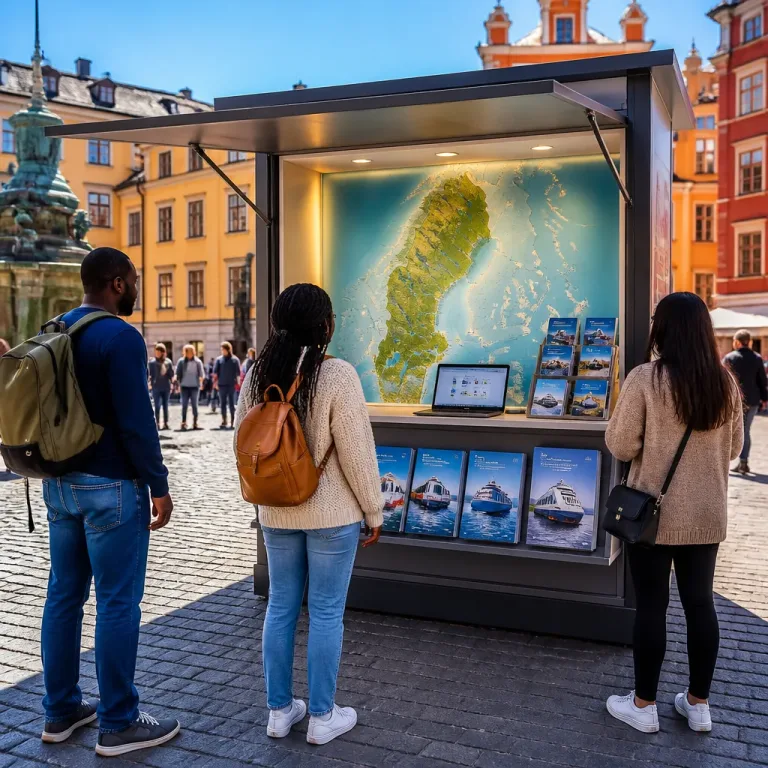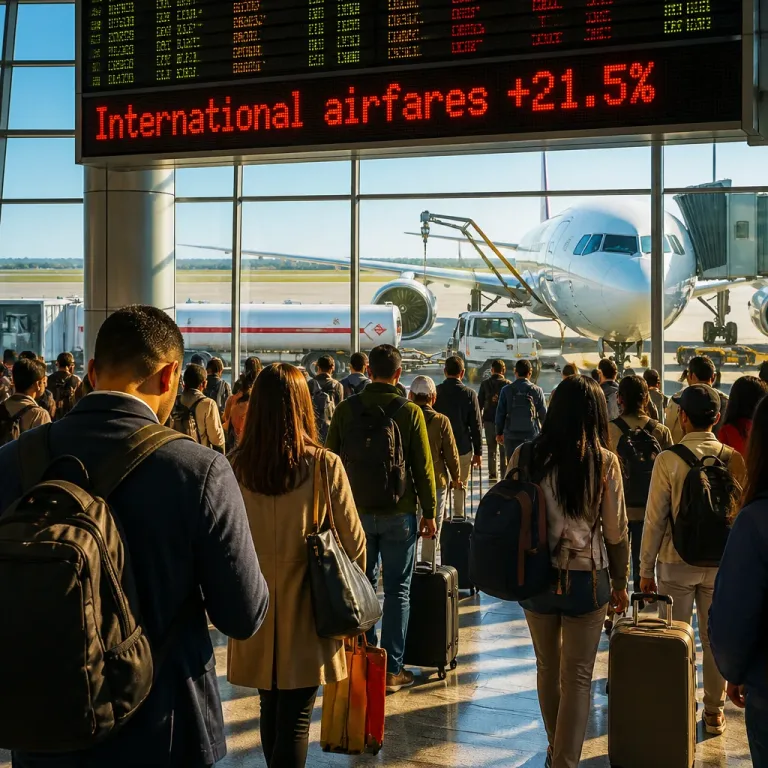
International travellers are becoming far more deliberate about where they go and how they get there, prioritising practical considerations such as healthcare access, transport reliability and flexible cancellation policies ahead of impulse bookings, according to a new Global Rescue survey.
What’s changed in travel planning
The study finds that planning is no longer limited to comparing airfares and hotel rates. Instead, travellers are extending their research to local infrastructure, political stability and medical services before committing financially. This shift reflects a desire for predictability and control in an uncertain global environment.
Key trends highlighted include:
- Safety and healthcare have climbed the list of deciding factors, with travellers checking local medical capacity and emergency services as part of pre-trip research.
- Flexible bookings and refundable products are now major competitive advantages for airlines, hotels and tour operators.
- More meaningful experiences are driving choices: culinary immersion, cultural authenticity, wellness and personal enrichment are gaining preference over mass sightseeing.
AI is moving from novelty to tool
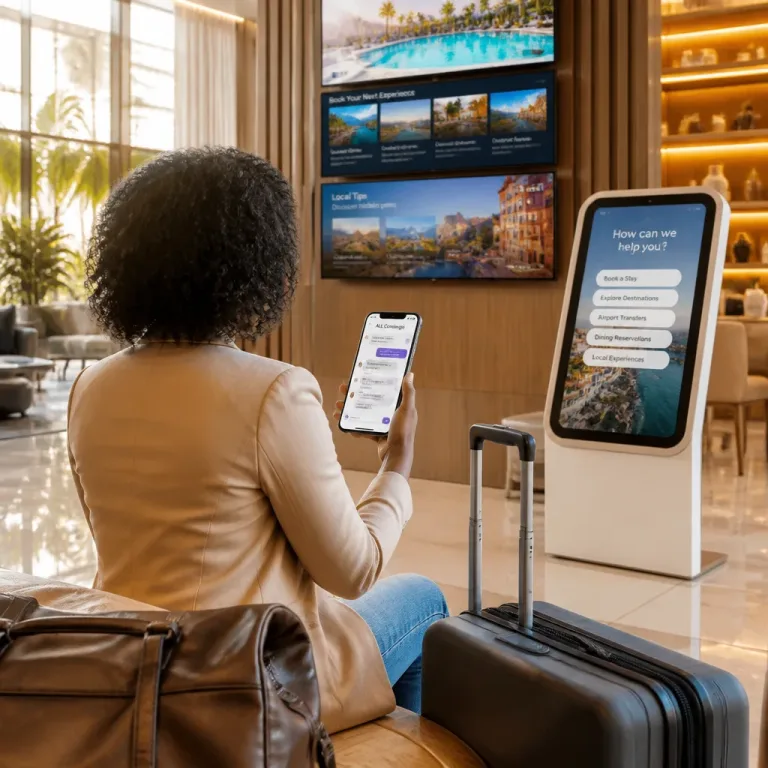
The research also points to a rapid increase in the use of generative artificial intelligence for travel tasks. The survey reports that around 22% of travellers already use AI for itinerary creation, travel research, flight bookings and translation help. Crucially, nearly 93% said they plan to use AI on future trips, signalling mainstream adoption rather than a fringe experiment.
Usage varies by traveller type: international adventurers and women are identified as strong drivers of AI adoption, often valuing support for language and visa issues, while travellers from the United States reportedly favour convenience and efficiency benefits.
| Metric | Survey finding |
|---|---|
| Current AI users | 22% |
| Plan to use AI in future | 93% |
Why flexibility matters
Flexible and refundable options have become a deciding factor in booking behaviour. Travellers want assurance that deteriorating conditions — whether sudden political unrest, health scares, or transport disruptions — will not leave them financially exposed. The market response has included more flexible fares and cancellation terms from some carriers and accommodation providers, though the survey suggests this is now expected rather than exceptional.
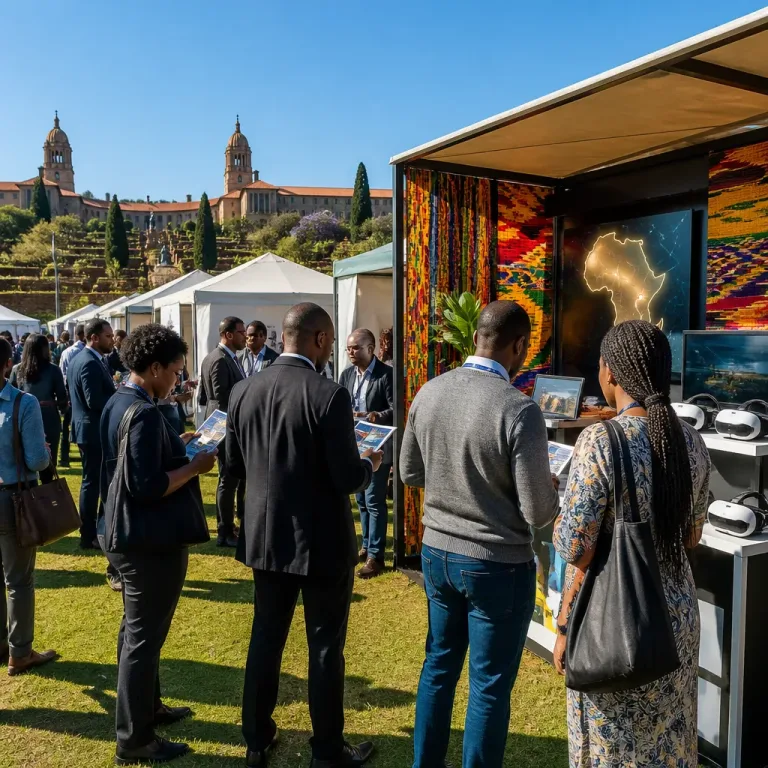
For South African travellers, who often balance long-haul international connections and complex visa requirements, the combination of clearer pre-trip information and flexible booking terms reduces risk and psychological cost. The survey implies that the tourism industry’s ability to signal reliability — through transparent refund policies, clear health information and robust customer support — will influence competitiveness.
Experience over checklist
Alongside risk management, there is a notable move towards what the report calls “trip intentionality”: choices motivated by emotional resonance and personal enrichment. Travellers are favouring hands-on cultural learning, food-led exploration and wellbeing retreats over ticking off as many attractions as possible.
This change in priorities has implications for product development and marketing. Operators offering small-group, immersive or wellness-focused experiences may find growing demand among travellers who are prepared to spend more time on research and to pay a premium for authenticity and meaningful engagement.
What this means for consumers and the industry
For travellers: do your homework beyond price comparisons. Look for clear information about local healthcare, transport reliability and the provider’s cancellation terms. Consider trialling reputable AI tools to streamline visa checks, translate local terms and assemble draft itineraries — but verify critical details independently.
For travel providers and policy-makers: emphasise transparent, flexible booking options and publish easy-to-find information about local health and safety infrastructure. The survey suggests trust and clarity will be decisive in booking decisions moving forward.
Bottom line: Trip planning in 2026 is more intentional and research-driven than in recent years. Safety, flexibility and meaningful experiences have risen to the top of travellers’ priorities, while AI is rapidly becoming a practical planning aid rather than a niche trend.