
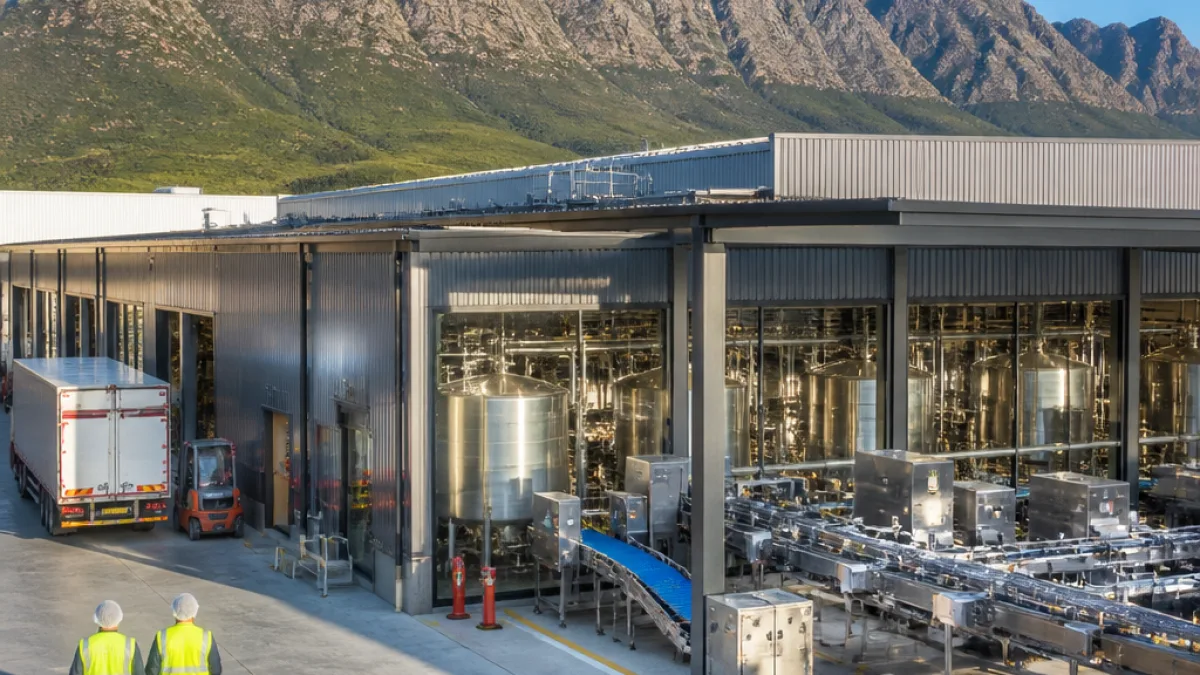
Major investment aims to sharpen Paarl’s food manufacturing edge
Fast-moving consumer goods manufacturer Tiger Brands has completed a R200-million upgrade of its Paarl condiments production complex, the company announced in reporting by Creamer Media’s Real Economy Report. The work covered three separate production plants at the site that make jam, vinegar and chutney.
According to the report by Marleny Arnoldi, the upgrades are already delivering improved supply security, cost efficiency and product quality for household brands produced at Paarl, including All Gold and Mrs Ball’s. Tiger Brands’ culinary managing director, Dumo Mfini, outlined the rationale for the investment and how the company expects it to benefit consumers and the business over the long term.
“Upgrades at the culinary megasite are already delivering meaningful improvements in supply security, cost efficiency and product quality,” Marleny Arnoldi reported.
The company’s approach emphasises local agricultural sourcing and involvement across the value chain. The report notes Tiger Brands works with growers and retailers to help ensure quality and availability — a detail with direct relevance for Paarl’s agricultural suppliers and labour market.
- Local procurement: Tiger Brands sources agricultural inputs from local growers and seeks deeper involvement in value chains.
- Operational benefits: The upgrades are intended to reduce production costs, lower disruption risk and improve product standards.
- Wider capital programme: The Paarl investment forms part of an ongoing national capital spend by the group.
The Paarl investment sits alongside broader capital expenditure by Tiger Brands. The Real Economy Report states the group spends about R1.5-billion a year on capital investment and expansion projects across South Africa to strengthen its manufacturing base. One highlighted project outside Paarl is the new Boksburg Culinary Hub, which will include a vinegar plant and a dedicated research and development pilot plant for recipe and process testing.
| Project | Location | Reported investment |
|---|---|---|
| Paarl condiments upgrade | Paarl, Western Cape | R200-million |
| Annual corporate capital spend | National | R1.5-billion (per year) |
| Boksburg Culinary Hub | Boksburg, Gauteng | Not specified in report |
For Paarl, the upgrade has several immediate implications. Improved output reliability and lower unit costs at a major local employer should support supply contracts for farmers in the Winelands region and help sustain jobs in manufacturing and logistics. It also signals confidence by a large food group in maintaining and modernising production capacity in the Western Cape rather than relocating it elsewhere.
At the same time, the precise local economic impact — such as how many jobs were created or preserved, and what additional spend will flow to Paarl-based suppliers — was not quantified in the Creamer Media report. The account focuses on operational improvements and the strategic context of Tiger Brands’ national capital programme.
For residents and local suppliers, the Paarl upgrade is likely to be judged on practical outcomes: steadier deliveries of everyday household goods, more consistent demand for fruit and other agricultural inputs, and any change in employment or procurement patterns arising from the new equipment and processes. The company’s continued use of local growers suggests an intention to keep those links close, but the numbers necessary to assess the full local benefit were not provided in the reporting.
The Paarl facility remains an important node in South Africa’s packaged-food system. As the company modernises, Western Cape growers and workers will be looking for clear flow-through benefits — steady contracts, timely payments and long-term partnerships — that translate corporate investment into local economic resilience.













