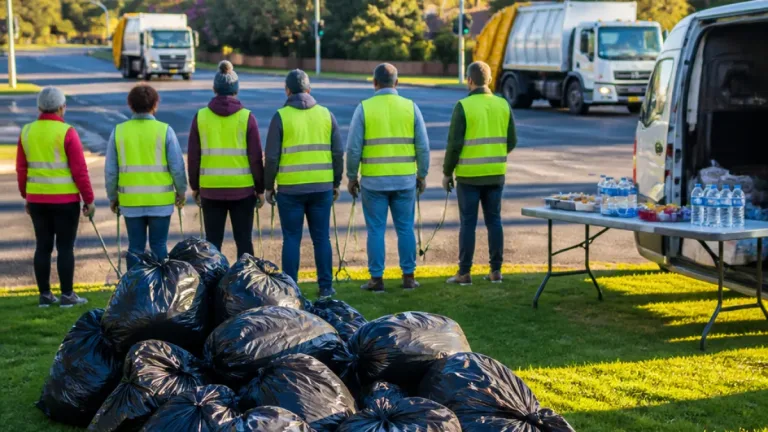
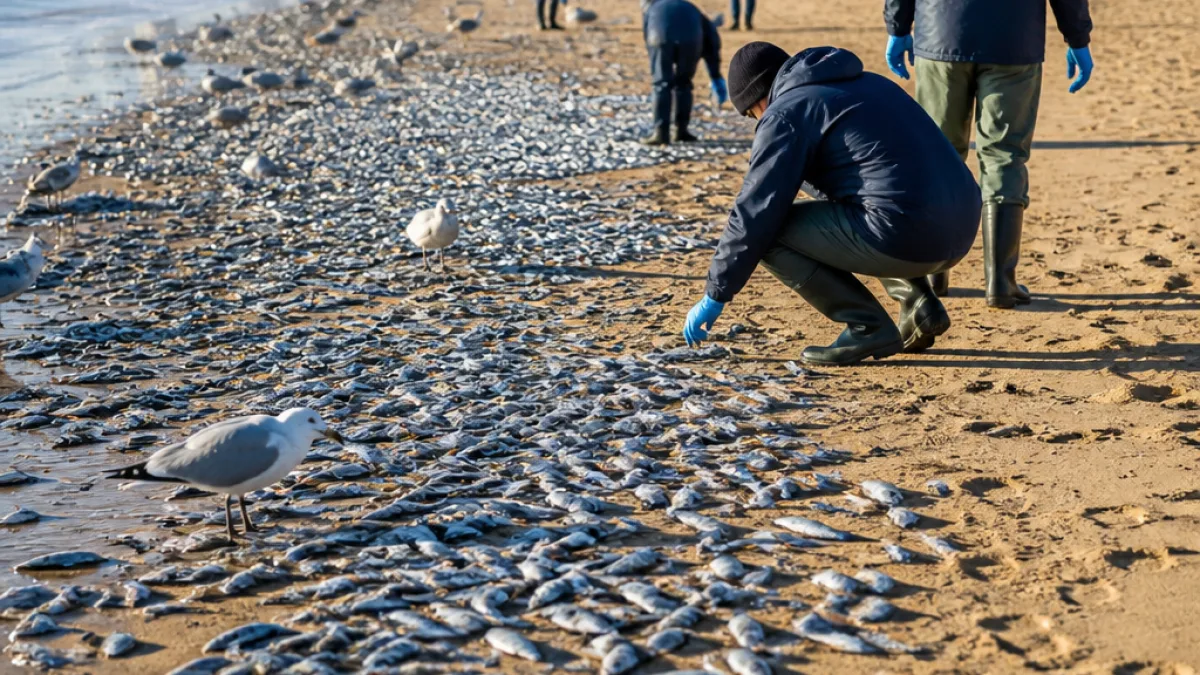
Scores of dead sardines were discovered along Nelson Mandela Bay’s main swimming beaches on Thursday, in what conservation observers and community members have characterised as a large-scale mortality event likely caused by disease.
Residents and beachgoers reported seeing the fish in their thousands strewn along the high-tide line, a pattern commonly associated with rapid mass mortalities in small pelagic species. The die-off has raised immediate questions about possible impacts on local amenity value, small-scale fisheries and the coastal environment.
‘Like Covid for sardines’
“Like Covid for sardines.”
The short description, used by an observer on social media, captured the sudden and extensive nature of the kill. Photographs circulating online showed dense concentrations of small, silvery fish washed up on the sand at several popular bathing spots in the metro.
At this stage, the incident is being reported as a likely viral outbreak among the sardine population; however, no laboratory confirmation or official statement attributing the deaths to a specific pathogen was available in the source material. Local marine scientists and authorities will typically collect samples to test for infectious agents, oxygen depletion, algal toxins or other environmental stressors, but those procedures and any results have not been reported.
Local impact and practical concerns
Large numbers of fish on beaches can cause unpleasant odours and affect recreational use of the coastline. While small, dead fish are not inherently dangerous to people on contact, they can attract scavengers and increase the presence of insects. Beach users with open wounds should exercise routine caution around decaying marine life.
- Where it was observed: main swimming beaches in Nelson Mandela Bay, Thursday.
- Scale reported: scores of dead sardines lining beaches; media reports describe thousands likely affected.
- Cause: reported as likely a virus, but no confirmed laboratory diagnosis reported in the source material.
| Location | Reported timing | Observed |
|---|---|---|
| Nelson Mandela Bay main swimming beaches | Thursday | Scores of dead sardines lining the shore |
Beyond immediate visual and olfactory impacts, large-scale mortalities among small pelagic species can have knock-on effects through the food web, potentially affecting predators that rely on sardines and the livelihoods of people who harvest them. In South African waters, sardines are a key forage species that support higher trophic levels, including larger fish, seabirds and marine mammals.
What to expect next
Incidents like this normally prompt sample collection and testing by marine researchers and fisheries managers to determine whether a pathogen, hypoxic event, algal bloom or other factor caused the collapse. Results from such investigations can take days to weeks depending on laboratory capacity and the set of tests required.
For local residents and visitors, the practical implications in the short term are likely to be:
- temporary reduction in recreational use at affected beaches while carcasses are present;
- unpleasant odours and increased numbers of scavenging birds and insects;
- possible concerns among small-scale fishers and those involved in beach-based tourism if the event persists or recurs.
At present there is no confirmed human-health risk reported in the available material. People are advised to avoid handling large numbers of dead fish and to keep children and pets away from decaying carcasses on the shore.
Wider context
Mass mortalities of small pelagic fish have been documented elsewhere along South Africa’s coastline in recent years and can stem from a range of causes. Determining the precise driver is important for assessing whether the event is isolated, linked to broader oceanographic conditions, or indicative of a contagious agent that could spread among fish stocks.
Authorities and scientific teams will need to establish the scale of the event, whether nearby fishing operations are affected, and whether mitigation or clean-up actions on beaches are necessary. Any formal statements, testing results or follow-up actions from provincial or national agencies were not included in the source report at the time of publication.
Residents who encounter large numbers of dead fish are encouraged to document the location and extent with photographs and to contact municipal or environmental hotlines for guidance on disposal and public-safety measures once such channels are activated.
This coverage will be updated as official test results and responses are published.