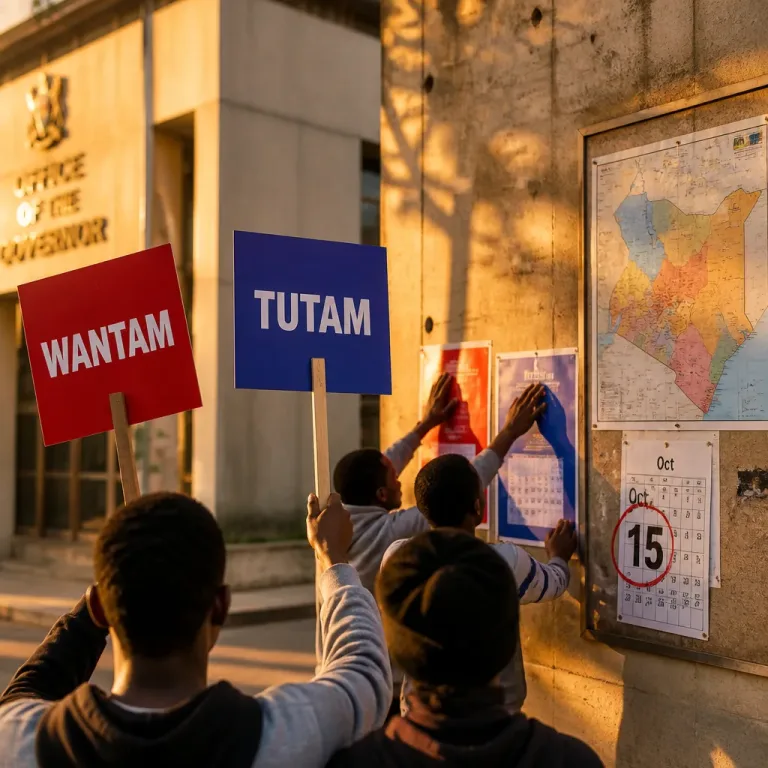
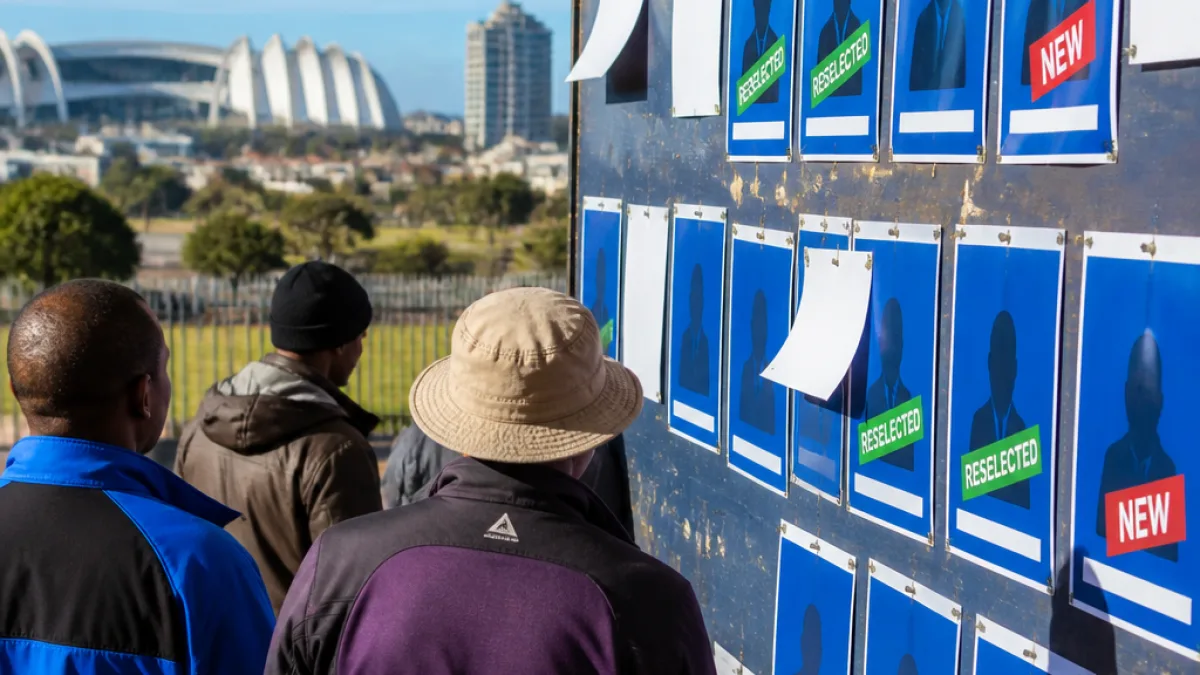
The Democratic Alliance has unveiled its full slate of candidates for Nelson Mandela Bay, signalling a significant reshuffle ahead of the 4 November local government elections. The party will contest all 60 wards in the metro, but nearly half of its current ward representatives have been left off the new list.
Renewal, experience and electoral strategy
DA Eastern Cape leader Andrew Whitfield described the selection as a deliberate renewal process that blends seasoned public representatives with newcomers he said are strongly connected to their communities. Whitfield framed the candidates as a mix of experience and fresh energy aimed at returning the metro to DA-led governance.
“We have proved it, because we have won before and we will do it again,”
Whitfield also said the party has been looking for applicants with specific skills and community ties, and that performance in service delivery and electoral work influenced who was chosen to run again.
Numbers and immediate implications
Of the DA’s current cohort of 23 ward councillors in Nelson Mandela Bay, 13 have been retained on the ballot for their existing wards while 10 will not be standing in those wards this election. The party says the changes are part of a broader strategy to maximise its chances of winning the metro outright.
| Metric | Figure |
|---|---|
| Wards in Nelson Mandela Bay | 60 |
| Current DA ward councillors | 23 |
| DA incumbents selected to run again | 13 |
| DA incumbents replaced | 10 |
| Local government election date | 4 November |
While the DA projects gains, Whitfield acknowledged that candidate selection is only the start: those new and returning candidates must still win voters in their wards. He said the party’s internal selection process weighed candidates’ prior performance and potential to deliver.
Targeting northern wards and community links
The party flagged particular optimism about prospects in the northern areas of the metro, where it believes residents are receptive to new faces and policy offers. Whitfield highlighted the importance of local roots when selecting candidates, saying many nominees have demonstrable links to the communities they will contest.
That emphasis on community ties comes against a backdrop of ongoing criticism of municipal service delivery and governance in Nelson Mandela Bay. The DA has previously governed the metro through coalitions and is positioning itself as the party best placed to fix problems it says persist under current arrangements.
What this means for voters and coalitions
For voters, a significant turnover in candidates can be double-edged: it promises fresh leadership in wards where incumbents are unpopular, but it also risks losing institutional memory and established casework networks. For coalition arithmetic, the candidate list clarifies the DA’s tactical approach — to win as many ward seats as possible and reduce dependency on partnership arrangements.
- Voters will decide on 4 November which party controls ward-level representation across the metro.
- The DA’s replacement of 10 incumbents reflects an internal push for renewal tied to performance criteria.
- Retention of 13 incumbents indicates the party still values some continuity and experience.
Opposition parties and local stakeholders will now assess the DA line-up, and campaigns will intensify ahead of the election. The outcome in Nelson Mandela Bay is likely to be closely watched nationally because of the city’s history of coalition politics and its strategic importance in the Eastern Cape.
With just weeks to go before voters go to the polls, the DA’s new roster sets the stage for a competitive local election in one of the province’s most closely contested metros.