The Telluride Film Festival used its secluded mountain forum this Labour Day weekend to put artificial intelligence squarely on the agenda, staging a multimedia event and a bluntly titled panel that included Microsoft co‑founder Bill Gates.
Festival makes an exception for AI
Festival executive director Julie Huntsinger opened a near‑capacity session at the Sheridan Opera House with a statement that made clear Telluride was departing from its customary reluctance to wade into divisive issues. “We are a very humanist festival — that’s how we identify,” she said, and added that “AI is a threat.” She urged increased public engagement with the technology’s development and regulation.
“We all need to be very alert and vigilant and loving and kind and stop this s—.”
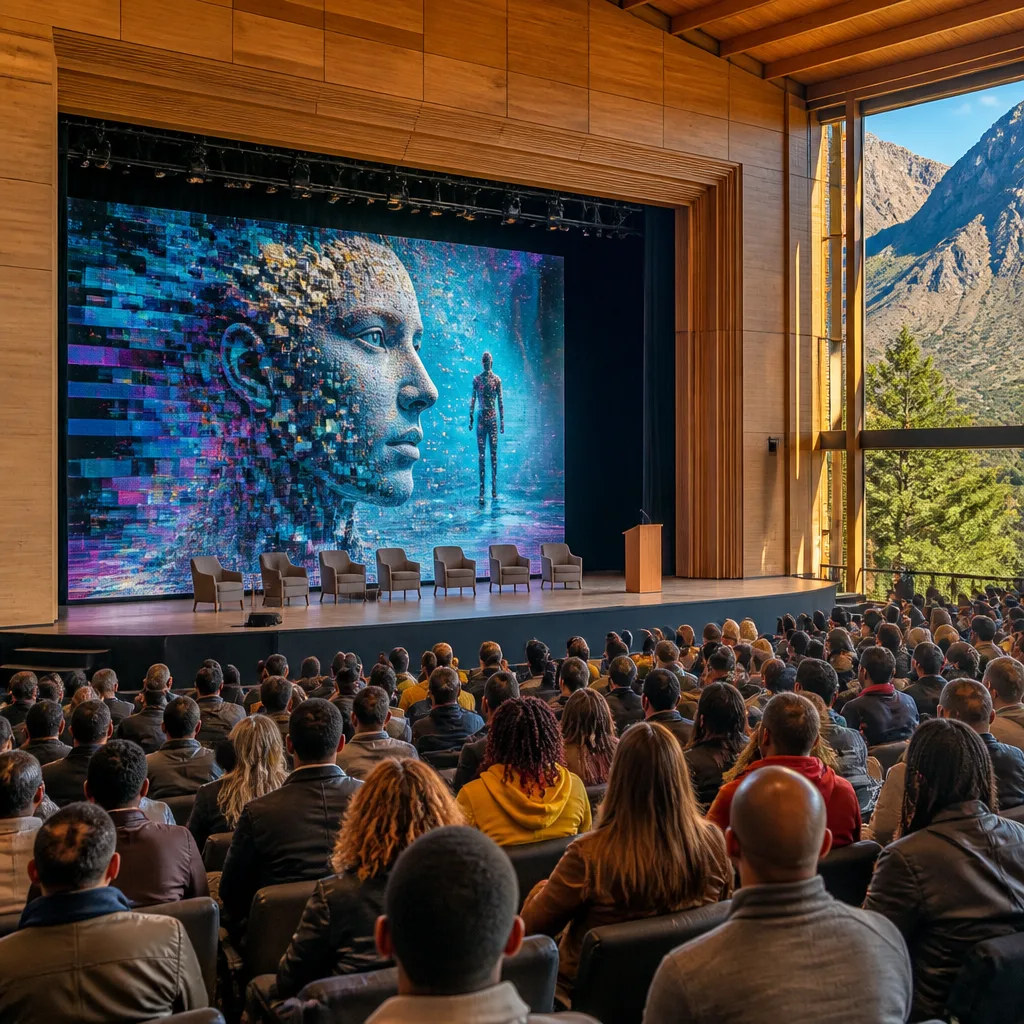
The festival devoted two programme elements to the topic. The first, called “The Humanity Dilemma,” was an hourlong multimedia presentation mixing urgent warnings with live music and imagery designed to foreground the perceived risks of AI. The second event was a panel titled “AI AI AI.” Together the sessions signalled that Telluride was willing to break with tradition and host explicit debate about the cultural and ethical stakes of AI.
Why it matters to filmmakers and audiences
AI already occupies a fraught place in Hollywood. Studios and directors are experimenting with the technology for visual effects, restoration and storytelling, even as writers, actors and other creative professionals express concern about job displacement and the unauthorised use of likenesses and work. Telluride’s programming reflected those tensions: while warning about threats, the festival did not categorically ban AI from the cinematic toolbox.
One example shown at the festival was “Love, Rendered,” a short documentary directed by Liz Garbus and produced by Darren Aronofsky. The film uses AI alongside family photographs and oral histories to reconstruct a pivotal moment from a couple’s past — the day they first met — as the husband grapples with memory loss. The inclusion of this piece illustrated the festival’s nuanced framing: AI can be used in ways that are emotionally resonant and artistically meaningful, even while broader risks are debated.
- “The Humanity Dilemma” — an hourlong multimedia presentation focused on the existential and cultural risks of AI.
- “AI AI AI” — a panel discussion featuring Bill Gates and other voices grappling with the technology’s implications.
- “Love, Rendered” — a short documentary by Liz Garbus, produced by Darren Aronofsky, that employs AI for restorative storytelling.
By programming both cautionary and demonstrative pieces, Telluride positioned itself as a venue where the film community can confront difficult questions without retreating to uncritical optimism or outright banishment of new tools.
Industry implications
The festival’s decision to spotlight AI reflects a broader cultural moment: the entertainment industry is wrestling with how to preserve creative labour and ethical standards while exploring technologies that can enhance, mimic or replace aspects of artistic work. Panels and screenings at high‑profile festivals often steer subsequent industry debate, influence guild negotiations, and shape public perception. Telluride’s move to foreground AI — and to invite a high‑profile business figure such as Gates into the conversation — suggests these discussions will remain prominent through awards season and beyond.
For audiences, the programming offered a chance to see both the perils and the possibilities of AI on screen. For filmmakers, it presented a test of how to responsibly realise work that uses new technologies without sidelining questions about consent, attribution and labour.
Telluride’s intervention may not resolve the deep conflicts around AI, but it did make clear that film festivals — even those known for a humanist, apolitical bent — are unlikely to ignore a technological shift that touches storytelling, employment and cultural memory.