
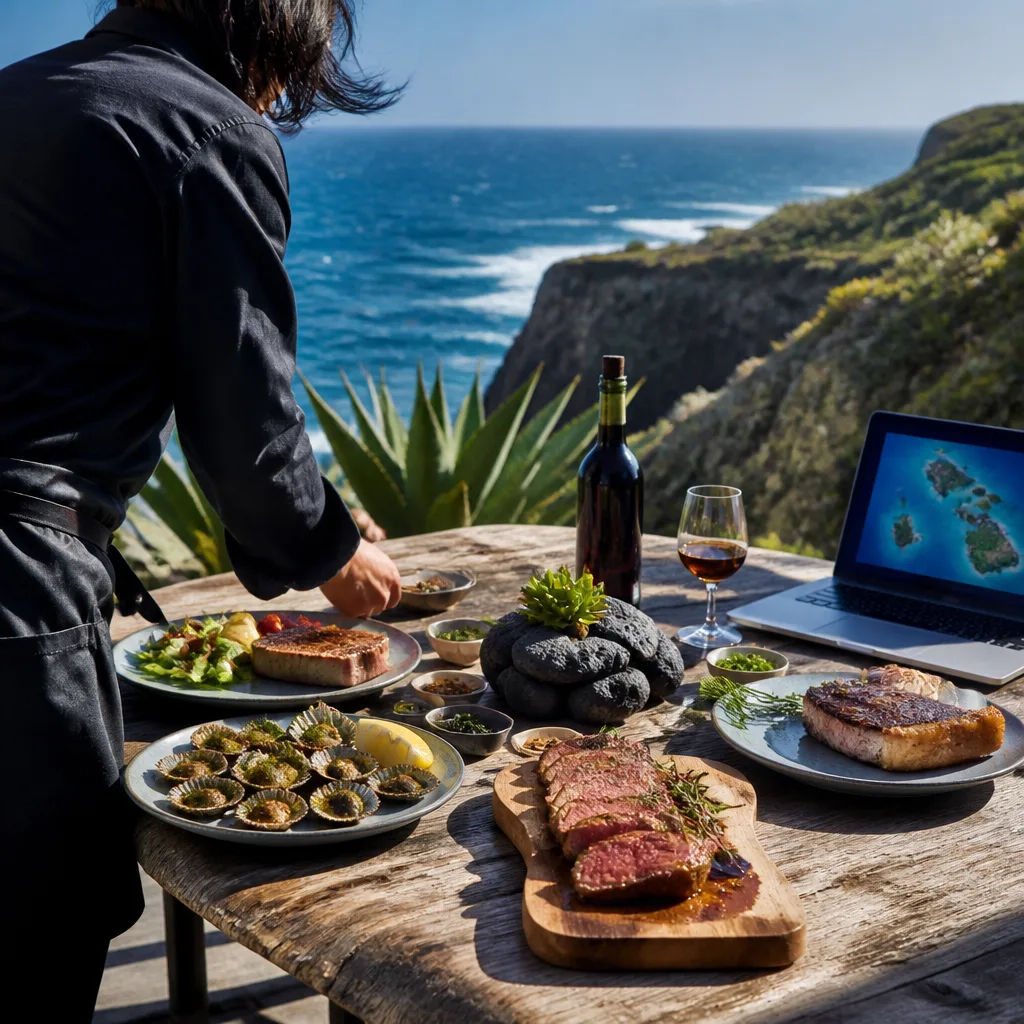
The Azores’ food identity is rooted in isolation, volcanic soil and centuries of sea trade, creating a cuisine that is at once humble, resourceful and distinct. A feature in National Geographic Traveller (UK) highlights how local cooks, fisherfolk and farmers have turned limited resources into striking flavours — from sizzling limpets to island-raised beef and fortified wines.
Small islands, big tastes
Settled by the Portuguese in the 15th century, the archipelago comprises nine islands spread across the North Atlantic. According to the report, those islands developed microregional foodways: recipes, techniques and ingredients vary markedly between islands, shaped by differing terrain, microclimates and historical trading links.
“Not long ago, this was considered food for the poorest islanders. Now, it’s a delicacy,”
— a local guide quoted in the feature, emphasising how dishes once born of necessity have been reclaimed and celebrated.
What to eat and why it matters
The feature draws readers through meals that tell a story of place. Key examples include:
- Limpets (lapas) — gathered by local divers and served simply with garlic, parsley and a salted red pepper paste called pimenta da terra.
- Fresh tuna and beef — staples on many islands, often prepared in straightforward, convivial ways that favour high-quality local produce.
- Local wines and preserves — shaped by volcanic soil and Atlantic breezes, with tiny family producers keeping traditional methods alive.
The result is a food scene that rewards curiosity: meals are both communal and economical, the sort of straightforward cooking that has sustained island communities for generations.
Practical takeaways for South African travellers
For South Africans planning a food-forward trip, the piece offers useful cues without prescribing an itinerary. Consider these practical points:
- Expect rustic, ingredient-led restaurants where the day's catch and farm produce dominate the menu.
- Seek out family-run places and market stalls to sample authentic island flavours rather than tourist-oriented menus.
- Allow time for travel between islands: each island offers different specialities, so hopping between them broadens the culinary experience.
Snapshot: the archipelago
| Feature | Detail |
|---|---|
| Number of islands | 9 |
| Distance from continental Europe | about 900 miles |
These simple figures underline the Azores’ remoteness and the way that separation has helped shape distinct local food traditions.
A travel voice that honours place
The National Geographic Traveller (UK) account is anchored by a close, on-the-ground voice: a guide and local restaurateurs introduce meals that are personal and anchored in labour — the limpets, for example, were described as being prised from rock by divers earlier that day. The piece highlights how the archipelago’s food culture evolved from necessity and has been elevated by contemporary interest in provenance and craft.
For travellers who favour honest cooking and community-based dining, the Azores are a quietly rewarding choice. The islands are not about flashy tasting menus but about shared plates, seasonal catch and volcanic-grown produce that tells the story of place. That makes it an easy fit for South Africans who enjoy getting to know a destination through its food and the people who keep those traditions alive.
Planning a trip needn’t be extravagant: the focus is on simple pleasures — strong local coffee, net-fresh fish, a splash of island wine and conversation. If you’re looking for a food trip with authenticity at its heart, the Azores merit a spot on your list.











