
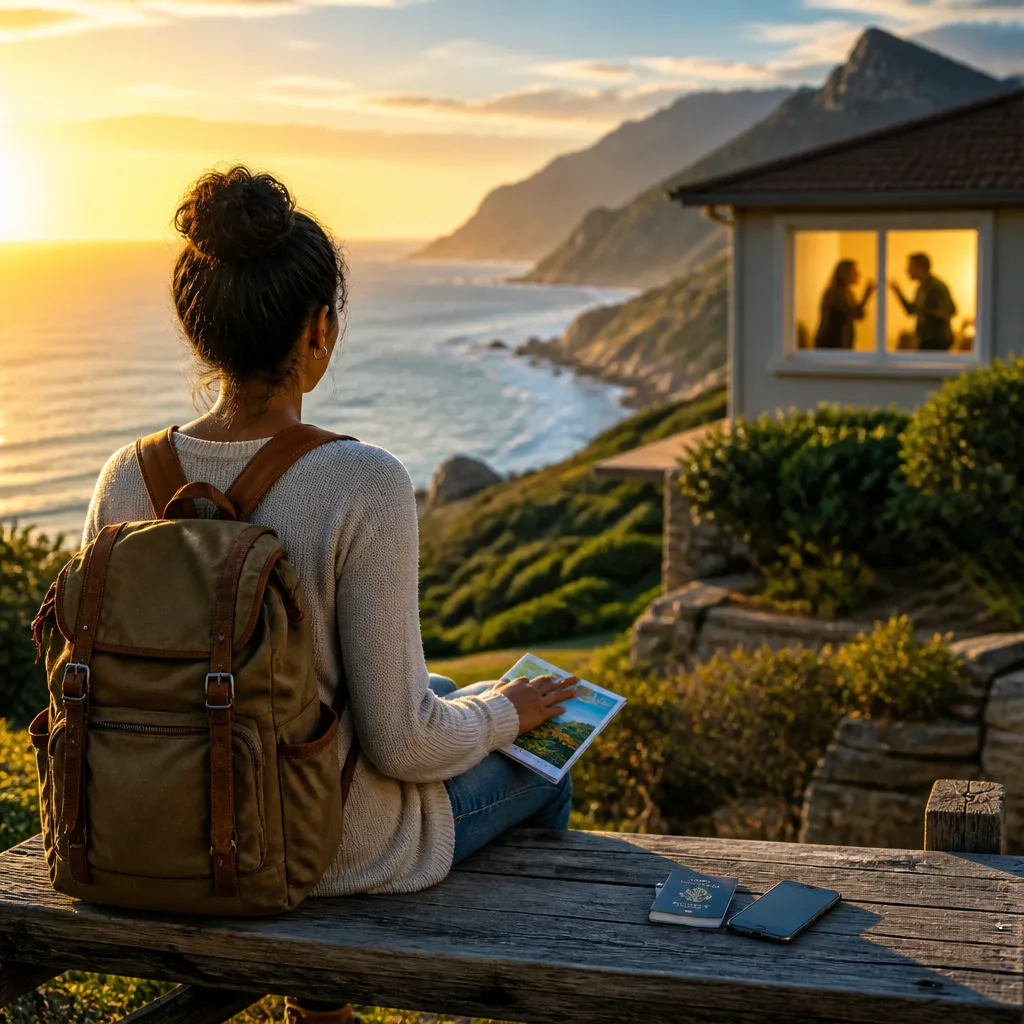
New analysis summarising national crime data and global homicide figures suggests that the fears most women carry about travelling alone point at the wrong threat. While violent incidents involving strangers do occur abroad, the person most likely to harm a woman is often a current or former partner or family member — a reality that reshapes how we think about the relative risks of solo travel.
What the numbers say
Research cited in the original report shows that in the year ending March 2025 an estimated 12.8% of women in England and Wales aged 16 and over experienced domestic abuse, sexual assault or stalking — about 3.2 million women in a single year. Global data referenced in the same analysis found that of roughly 83,000 women and girls intentionally killed in 2024, 60% were murdered by an intimate partner or family member.
That framing is important: the danger most frequently faced by women tends to be domestic or familiar, rather than the violent stranger scenario often pictured when someone considers travelling alone.
How the risks abroad differ
The report goes on to identify the most common incidents affecting travellers — many of which are non-lethal but disruptive or violating. These include:
- Pickpocketing and bag snatching around stations and transit hubs — common everywhere and usually non-violent.
- Street harassment — verbal or visual harassment that may not show up in homicide data but can wear travellers down over the course of a trip.
- Drink-spiking and assaults tied to nightlife and specific resort areas — flagged by recent foreign office guidance for some destinations.
- Digital risks such as unsecured public Wi‑Fi, location-sharing turned on in ride-hailing apps, and identity theft.
These are manageable risks. The analysis argues they are often different in kind and frequency from the domestic violence that affects so many women at home.
“The person most likely to harm a woman is someone she already knows,”
Practical, budget-aware precautions
For women considering solo travel — locally or abroad — the research underlines that sensible, low-cost precautions can reduce exposure to the most common hazards. Useful measures highlighted include:
- Keep valuables secure and divide cash/cards across your luggage and person to reduce the impact of theft.
- Avoid routine behaviours that make you predictable; vary routes and times when possible.
- Be cautious in nightlife settings: monitor drinks, travel with companions when going out late, and use licensed transport services.
- Protect your digital footprint: avoid unsecured public Wi‑Fi for sensitive transactions, switch off persistent location-sharing in apps, and use strong passwords or a password manager.
- Plan for quick, low-cost contingencies — emergency contacts, local embassy numbers for international trips, and a small emergency fund.
These steps are as much about peace of mind as about reducing statistical risk. They are practical for budget travellers and do not require expensive travel upgrades.
Rethinking the narrative
One of the most helpful takeaways is conceptual: the fear that keeps many women from travelling alone often focuses on the violent stranger, while the larger share of threat in everyday life comes from people known to the victim. Recognising that allows travellers to weigh the trade-offs realistically and to prepare for the actual hazards they are likely to face on the road.
Solo travel can be an empowering, enriching experience — and, according to this analysis, it can be safer than remaining in dangerous domestic situations. For readers planning trips, a combination of common-sense precautions, digital hygiene and awareness of local risk patterns provides a sensible, accessible way to travel more confidently.
If you are considering a solo trip, think through the basic list above, pack light but wisely, and ask about local safety norms. Travelling alone doesn’t mean going it unprepared — with a few cheap, simple steps you can lower the most likely risks and enjoy the independence and discovery that travel offers.











