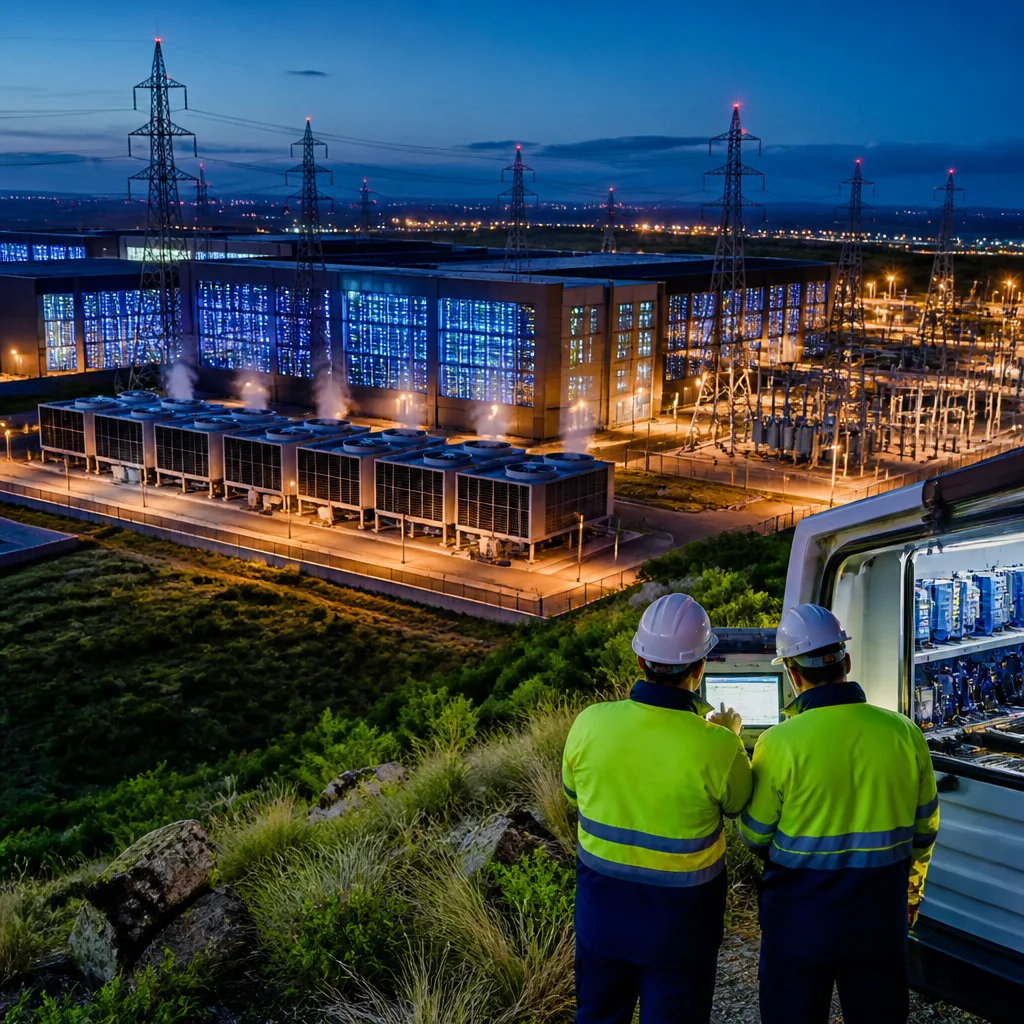
South Africa’s ability to benefit from the next phase of artificial intelligence is less about hype around models and more about the physical infrastructure that powers them, industry experts say.
Energy and data centres at the heart of the debate
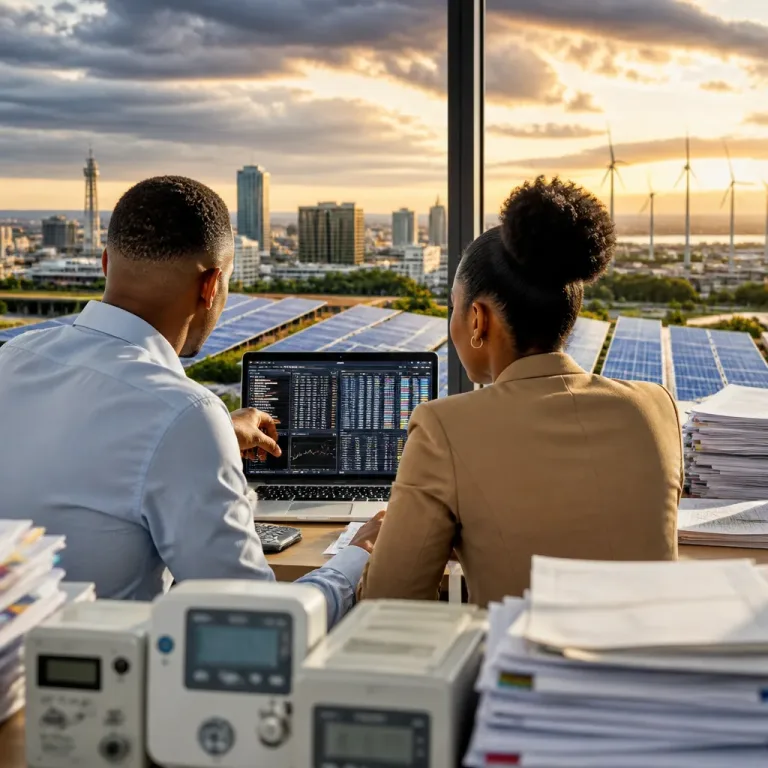
Recent reporting by CBN indicates that Eskom has been in discussions with large technology companies, including Amazon, Microsoft and Google, about using surplus electricity to feed data centres and AI infrastructure. The conversations highlight a central point: while AI is often discussed as software that runs in the cloud, it depends on concentrated computing power, cooling and stable electricity.
“AI is often spoken about as though it happens somewhere in the cloud, disconnected from the physical world. The reality is exactly the opposite. AI requires enormous computing capacity, electricity, connectivity, cooling, data infrastructure and sophisticated engineering,” said Dr Pierre Le Roux, Managing Director of MOYO, according to the CBN report.
“The next phase of the digital economy is going to have a much closer relationship with the energy economy than the last one did.”
More than data centres: building an ecosystem
South Africa already hosts a sizeable portion of Africa’s hyperscale data-centre capacity. Microsoft has committed to further expansion here, announcing a planned investment of R5.4 billion to grow cloud and AI infrastructure in the country by the end of 2027, the report notes. But observers caution that large physical facilities alone do not create broad economic benefit.
Dr Le Roux told CBN that the policy question is whether South Africa can turn energy, computing capacity, connectivity and engineering skills into sustainable economic value. In other words, are there plans to:
- guarantee reliable and affordable electricity for energy‑intensive computing;
- strengthen fibre and network connectivity to link data centres with businesses and users;
- develop local engineering and data‑science expertise able to deploy, maintain and productise AI systems?
Practical constraints — and potential
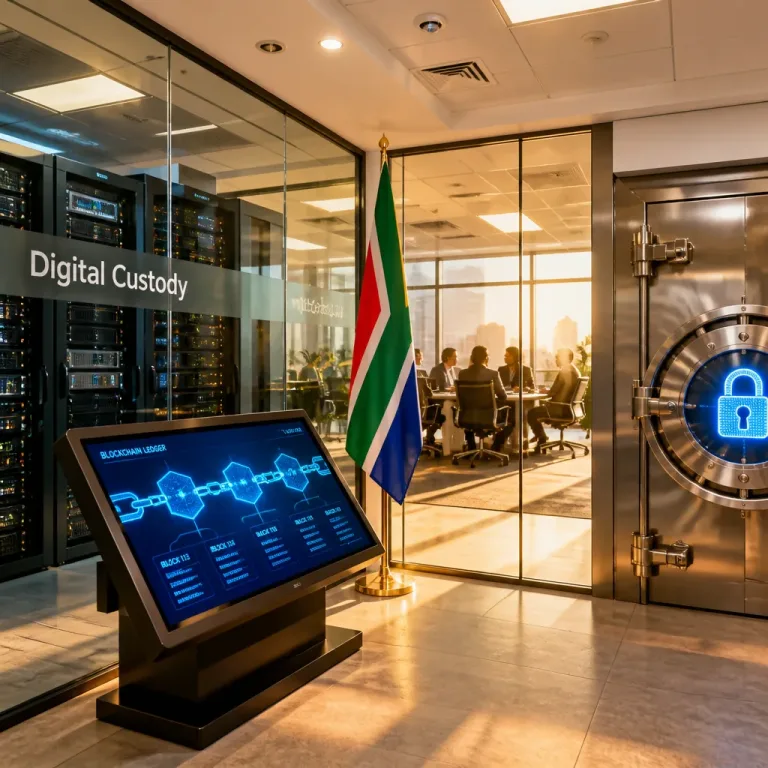
Training and running advanced AI models concentrates computing demand in large data centres that consume significant electricity and require sophisticated cooling and physical security. That creates both an opportunity — to attract global cloud investment and jobs — and a constraint, when grid reliability and affordable power are not assured.
The reported talks between Eskom and global tech companies suggest there may be scope for mutually beneficial arrangements if generation can be scheduled and priced to meet the needs of hyperscale computing. But converting capacity into local value will likely require policy coordination across energy, telecoms and skills development.
| Actor | Role reported |
|---|---|
| Eskom | Exploring customers for surplus power |
| Microsoft | Announced R5.4 billion cloud/AI expansion |
| Amazon, Google | Reportedly in discussions with Eskom |
Those outcomes will affect a range of sectors that stand to gain from better digital infrastructure — from financial services to logistics — but only if governments, utilities and industry co‑ordinate on the necessary back‑end investments.
What this means for South Africans
For ordinary users and businesses, the debate matters because it will shape the cost and availability of cloud services, digital platforms and AI tools. If the country secures reliable power and network connectivity while building local expertise, it could host more of the services that run modern enterprises and create skilled jobs.
Without those practical foundations, however, the country risks being a location where multinationals place heavy, energy‑hungry assets that principally serve offshore markets, with limited local economic spin‑offs.
The conversation prompted by the CBN reporting reframes the national AI discussion: moving beyond model benchmarks and product announcements to the engineering, energy and policy work required to make AI an engine of inclusive economic growth.