
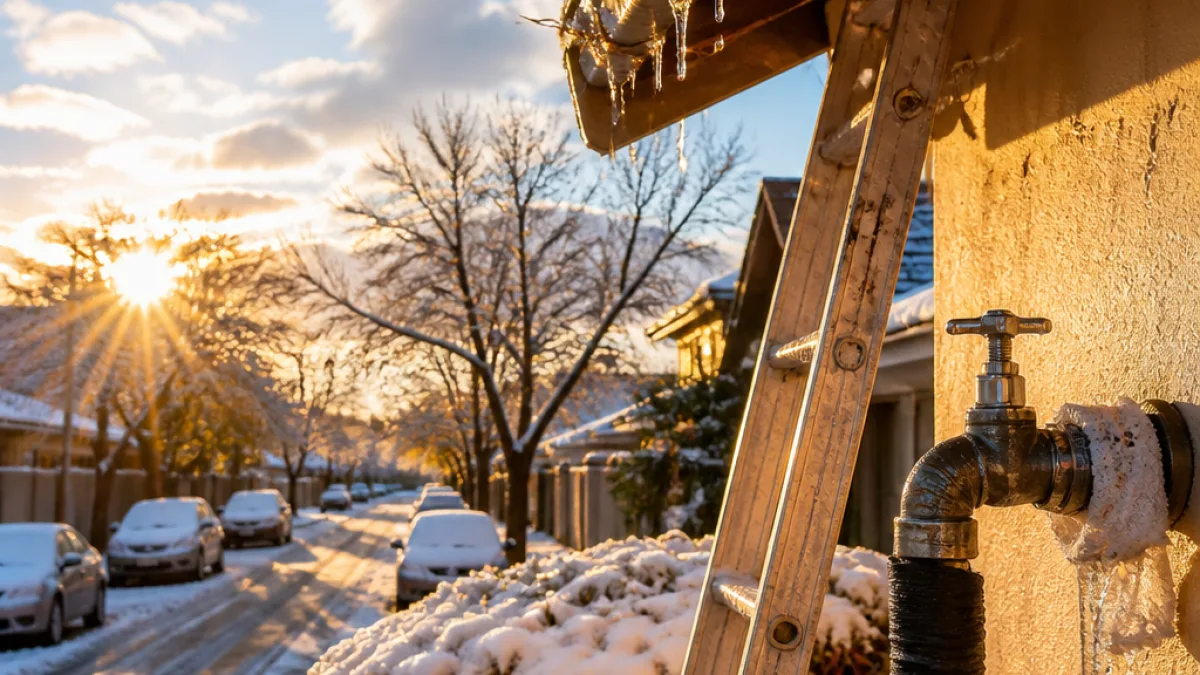
Snow fell across parts of Gauteng on Tuesday, 11 August, with images and short videos of white flurries shared widely on social media. The South African Weather Service issued prior warnings that Johannesburg, Vereeniging and sections of the East Rand could expect snow and very cold conditions.
What residents reported and where it fell
Residents in northern and central Joburg suburbs, as well as communities around Vereeniging and pockets of the East Rand, posted photographic evidence of snow settling briefly on cars, roofs and open ground. Although the snowfall was not deep, the sudden temperature drop and precipitation can lead to problems for older roofs, blocked drainage and unfavourable conditions for vulnerable people.
Practical steps to protect your home
When temperatures plunge and snow or sleet is forecast, a few precautionary actions can prevent costly repairs and safety hazards. Homeowners should prioritise simple, low-cost measures that reduce the risk of water ingress and fire from heating devices.
- Inspect the roof and ceilings — look for cracked tiles, loose flashing or any openings where water could enter.
- Clear gutters and downpipes — remove leaves, plastic and debris so melting snow can drain away freely.
- Protect external plumbing — insulate exposed taps and pipes to reduce the chance of freezing and bursting.
- Ensure safe heating — follow manufacturer guidelines for heaters, never leave them unattended and keep flammable materials away.
- Maintain ventilation — even in cold weather, allow adequate airflow to prevent condensation and indoor air-quality problems.
Geysers and outside fittings
Geysers and exposed outdoor taps are vulnerable during cold snaps. Using a geyser blanket or insulation kits on pipes can reduce heat loss and protect fittings from damage. If you are unsure how to install insulation safely, contact a qualified plumber rather than attempting risky DIY work.
Driving and mobility
Motorists were urged to take care after the SAWS advisory. Even light snow and freezing surfaces reduce tyre traction and increase stopping distances. Allow extra travel time, drive slowly, and avoid sudden braking. Take a fully charged cell phone, a warm blanket and essential supplies when travel is necessary.
Safety when using heaters and braais
Cold weather often prompts increased use of electrical heaters and paraffin or gas devices. Use all heating appliances according to the manufacturer’s instructions and never leave them running unattended. Place heaters on stable, non-combustible surfaces and maintain a clear zone around them. If using gas heaters indoors, ensure proper ventilation to prevent a build-up of carbon monoxide.
Who to contact for help
If you discover a leak, structural damage or blocked drainage that could pose an immediate risk, contact your municipal disaster or emergency services. For plumbing or electrical faults, obtain quotes from registered tradespeople. If you are unsure which service to call, your local ward councillor’s office or the municipal customer care centre can direct you.
Quick checklist before and after snow
| Action | When to do it |
|---|---|
| Inspect roof and ceilings | Before cold season and after heavy precipitation |
| Clear gutters and downpipes | Immediately, and regularly during autumn and winter |
| Insulate exposed taps and geyser | Prior to forecast cold nights |
| Check heating appliance safety | Before use each season; regularly inspect cords and connections |
Looking ahead
Snow in Gauteng is uncommon but not unprecedented. The SAWS forecast and advisories remain the best guide to changing conditions — residents should monitor official channels and local media for updates. Community centres, shelters and municipal services may open warming spaces for those who cannot safely heat their homes.
Practical preparedness and caution will limit the immediate disruption caused by this cold snap. Small, timely interventions — from clearing gutters to cautious use of heaters — can prevent larger problems once the temperature rises and the snow melts.
For the latest advisory, check the South African Weather Service and your local municipality’s announcements.













