
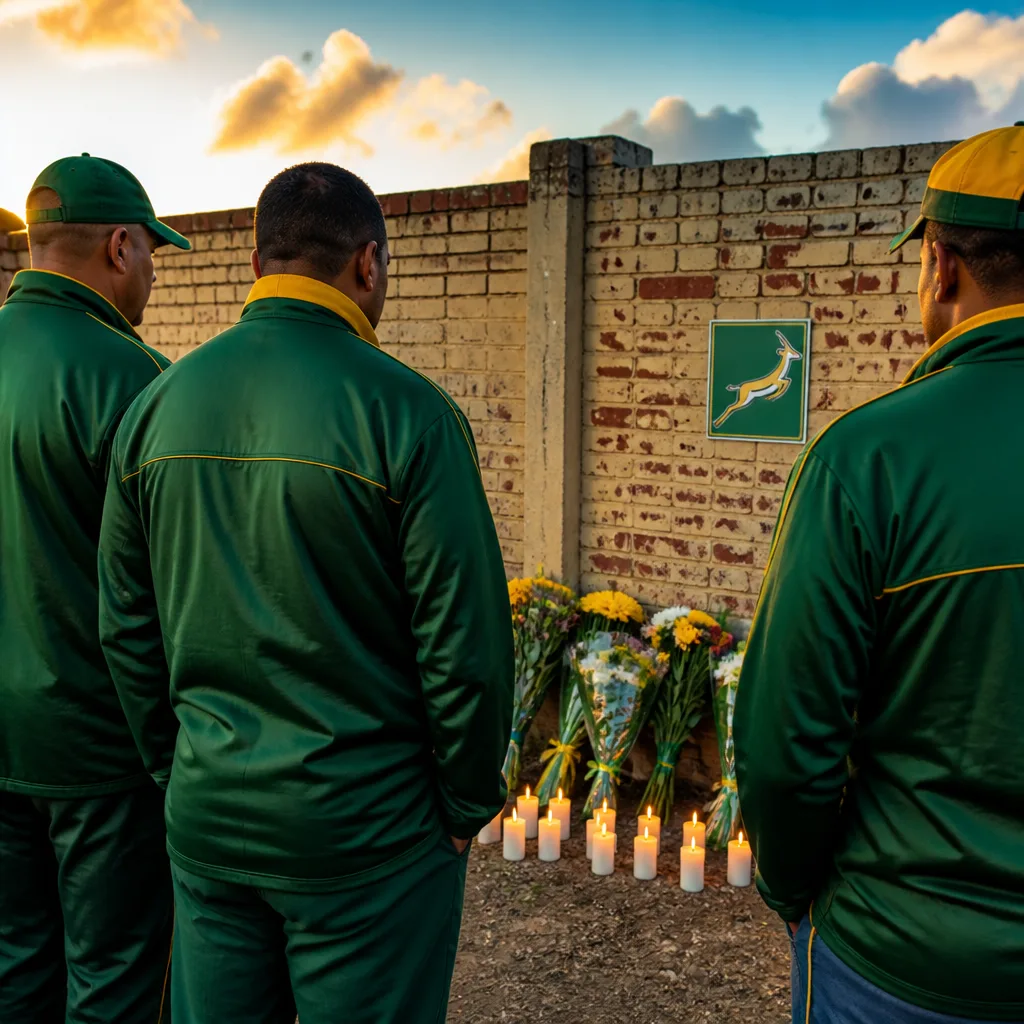
Springbok captain Siya Kolisi has issued a stark appeal to South African men to confront the country’s escalating gender-based violence (GBV) crisis, saying it is time to move beyond words and seek help urgently.
Leader uses Springbok platform to call for action
Speaking from Australia where the national side are preparing for a Test against the Wallabies on 27 September, Kolisi said the wave of killings around Johannesburg demanded a national response. He highlighted the discovery of nine women’s bodies in Ekurhuleni over the past two months, several found in and around Kempton Park, and framed the problem as one that requires male responsibility.
Kolisi, who grew up in Zwide township in the Eastern Cape and has long used his profile to speak on social issues, described the crisis as personal and persistent. In a video posted on social media he urged fellow athletes and public figures to use their platforms to confront the problem and push for change.
“To the men of our country, we need to acknowledge and accept that we are the problem here and we need help — and we need help urgently,”
The captain stressed that the violence is not a consequence of temporary headlines but an everyday reality for many South Africans. “It’s not just because it’s headlines right now. This happens each and every single day in our country,” he said.
Sport’s voice and public responsibility
Kolisi appealed specifically to male sporting teams and athletes to speak up, recognising the influence sport holds in shaping norms and attitudes. “I want to encourage all the other male sporting teams in our country to also speak up about what’s happening in our country,” he said.
His comments draw attention to how sport can function as more than spectacle: as a vehicle for social messaging and collective accountability. As captain of a two-time World Cup-winning side, Kolisi’s interventions reach audiences who might not be engaged through conventional public information channels.
Context and consequences
The remarks come amid growing public distress over a string of violent incidents in Gauteng and elsewhere, and at a time when civil society groups, women's organisations and community leaders have been calling for state and societal responses that go beyond condemnation.
Kolisi emphasised the need for men to accept their role and seek help, signalling that the solution demands both behavioural and structural responses. He also urged those with platforms—including podcasters and other influential voices—to go beyond awareness and take concrete steps to “make sure that we’re better”.
- Location of incidents: Ekurhuleni, Gauteng (including Kempton Park).
- Number of bodies found: Nine women over two months.
- Upcoming Test: Springboks vs Wallabies, 27 September (Australia).
| Item | Detail |
|---|---|
| Public figure | Siya Kolisi, Springbok captain |
| Primary message | Men must acknowledge responsibility and seek help |
| Immediate context | Nine women found dead in Ekurhuleni in two months |
Kolisi’s intervention is likely to intensify calls for coordinated action from government, police, sporting codes and community organisations. Sporting bodies have often been asked to partner in social campaigns; his comments may prompt specific pledges from teams and athletes to support prevention, education and survivor support initiatives.
For sport, the moment is a reminder of the responsibility that comes with visibility. Kolisi’s message is neither political nor partisan; it is a call for cultural change and practical help, with an emphasis on male accountability.
As the Springboks prepare to return to the field, Kolisi has used the pause before a big Test to put attention where he believes it is needed most: on the safety and dignity of women, and on the role men must play in ending a national scourge.














