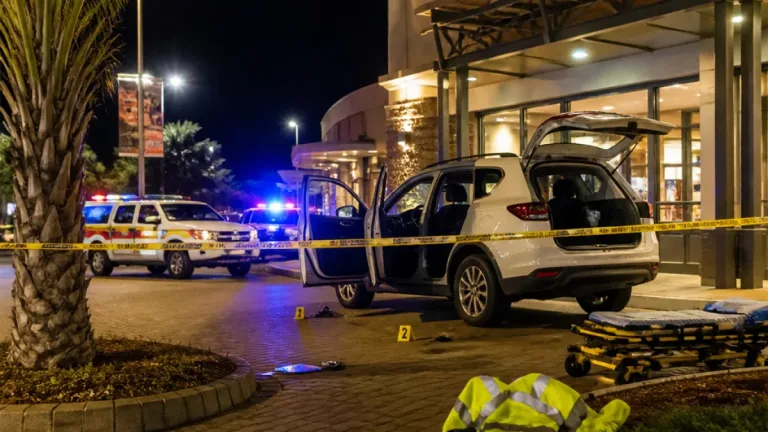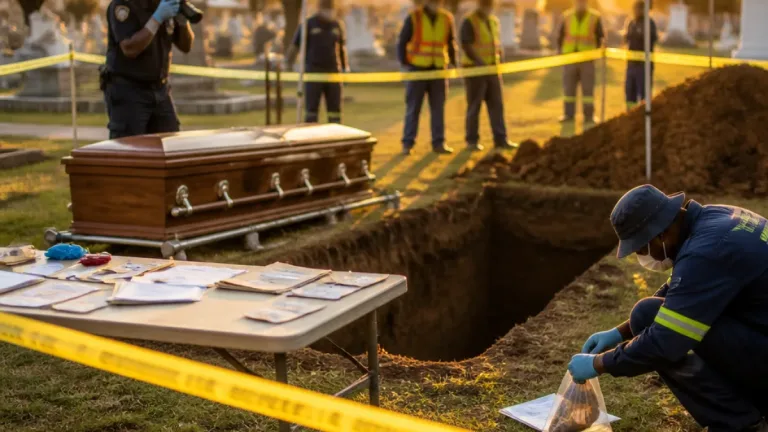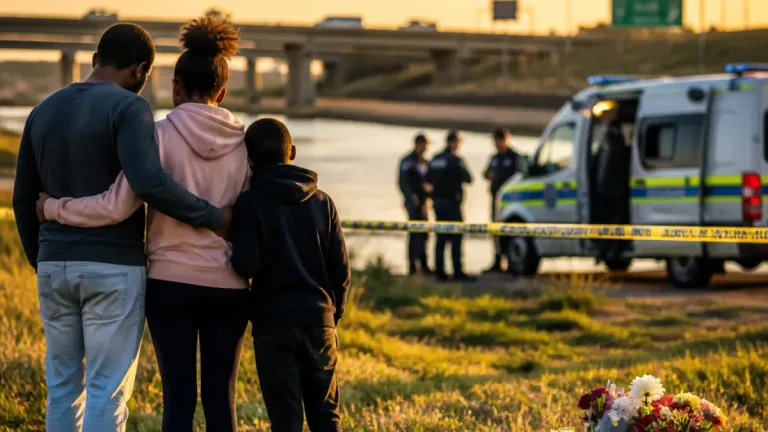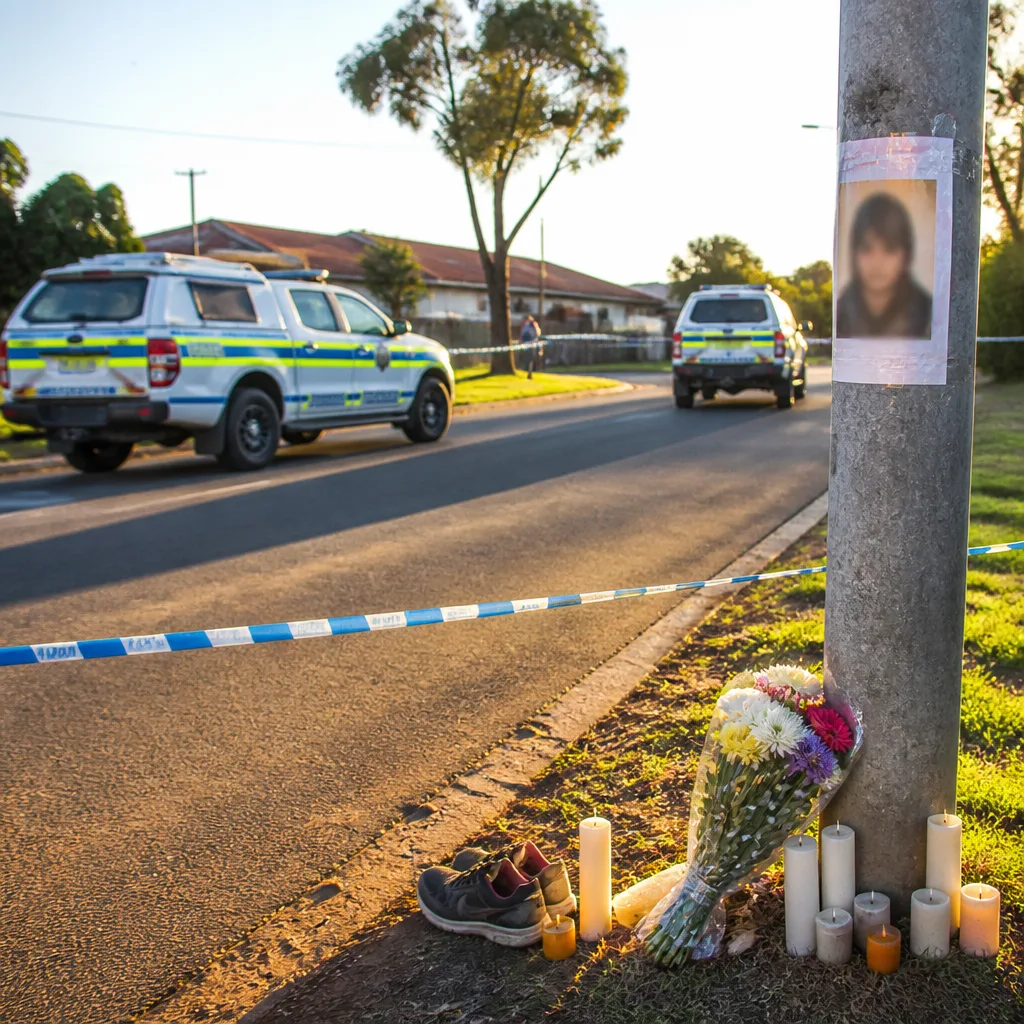
Police in Gauteng are investigating the deaths of at least seven women whose bodies have been recovered in Ekurhuleni during the past two months, authorities said on Tuesday. The nature of the discoveries — several victims found partially or fully naked and with signs of assault — has raised concerns that a single offender, or a group of offenders, may be at large.
Investigation under way
Brigadier Athlenda Mathe, a police spokesperson, said investigators were working to determine whether the killings were the work of one individual or multiple people. Five bodies were found in a single week, Mathe added, a development the police described as "concerning." A suspect was arrested after the first victim was discovered, police said, but it remains unclear whether that arrest is linked to the subsequent deaths.
"We are still investigating whether we are dealing with one perpetrator or a group of men that are behind the murders of these women," Brigadier Athlenda Mathe said.
The first known victim, a 37‑year‑old woman, was discovered on 15 July, naked and bound with cable ties; a suspect was arrested two days later, police reported. A second woman, aged 32, was found partially clothed on 24 August. A third body was recovered on 10 September in an advanced state of decomposition. On 12 September, the body of 38‑year‑old Elizabeth Moselakgomo was found behind a hotel; she had left home for a run and did not return. Moselakgomo left an eight‑year‑old daughter at home.
National reaction and context
President Cyril Ramaphosa said authorities would leave "no stone unturned" in efforts to solve the killings and acknowledged the incidents were causing fear and uncertainty, particularly among women. Acting Police Minister Firoz Cachalia described the discoveries as "deeply disturbing." Amnesty International South Africa characterised the recoveries as a reminder that women in the country are not safe.
The cases sit against a grim national backdrop: according to international agencies cited by police, gender‑based violence in South Africa is widespread. The United Nations estimates that one in three South African women will experience physical or sexual violence during her life. The source material also noted that at least 60 people are killed daily in the country, many of those deaths related to violent crime.
Public mobilisation and emerging leads
Public attention to the disappearances intensified after fellow runners launched a social media campaign seeking help to find Moselakgomo. That campaign reportedly led to searches which resulted in the discovery of further bodies, police said. It is unclear from police statements how many active leads investigators are pursuing or whether the arrested suspect is being formally charged in any of the subsequent deaths.
- Timeline of recoveries (as reported):
| Date found | Victim age / detail |
|---|---|
| 15 July | 37‑year‑old woman; found naked and bound with cable ties; suspect arrested two days later |
| 24 August | 32‑year‑old woman; found partially clothed |
| 10 September | Woman found naked and in advanced decomposition |
| 12 September | 38‑year‑old Elizabeth Moselakgomo; left for a jog and did not return; body found behind a hotel |
Police emphasised the priority of forensic work and follow‑up investigations to establish links between the cases. They have not released additional identifying details about other victims recovered during the same week, nor have they confirmed charges connected to each death. For now, authorities are treating the incidents seriously and appealing to anyone with information to come forward.
The spate of killings has intensified debates over the effectiveness of policing and broader responses to gender‑based violence in South Africa, an issue that successive governments and civil society groups have repeatedly flagged as a national emergency. The investigation in Ekurhuleni will be closely watched for signs that it can yield arrests and evidence to reassure worried communities.