The towns that form the heart of Mpumalanga’s most visited inland tourism corridor are showing strain as basic services fail, raising alarm among tourism operators who say the problems put jobs, conservation funding and the region’s reputation at risk.
Failures in water and sanitation hitting operators and nature
Residents and business owners in the Thaba Chweu Local Municipality — which includes Lydenburg, Graskop, Sabie and Pilgrim’s Rest — are contending with unreliable water supplies and raw sewage being discharged into rivers. Industry representatives warn these are not merely municipal service issues but threats to the local economy and environment.
Oupa Pilane, chair of the Southern Africa Tourism Services Association (SATSA) board, said the problems have direct consequences for business viability and destination competitiveness.
“The lack of reliable water supply and the discharge of sewage into rivers are therefore not only service delivery problems, they are tourism and economic development problems.”
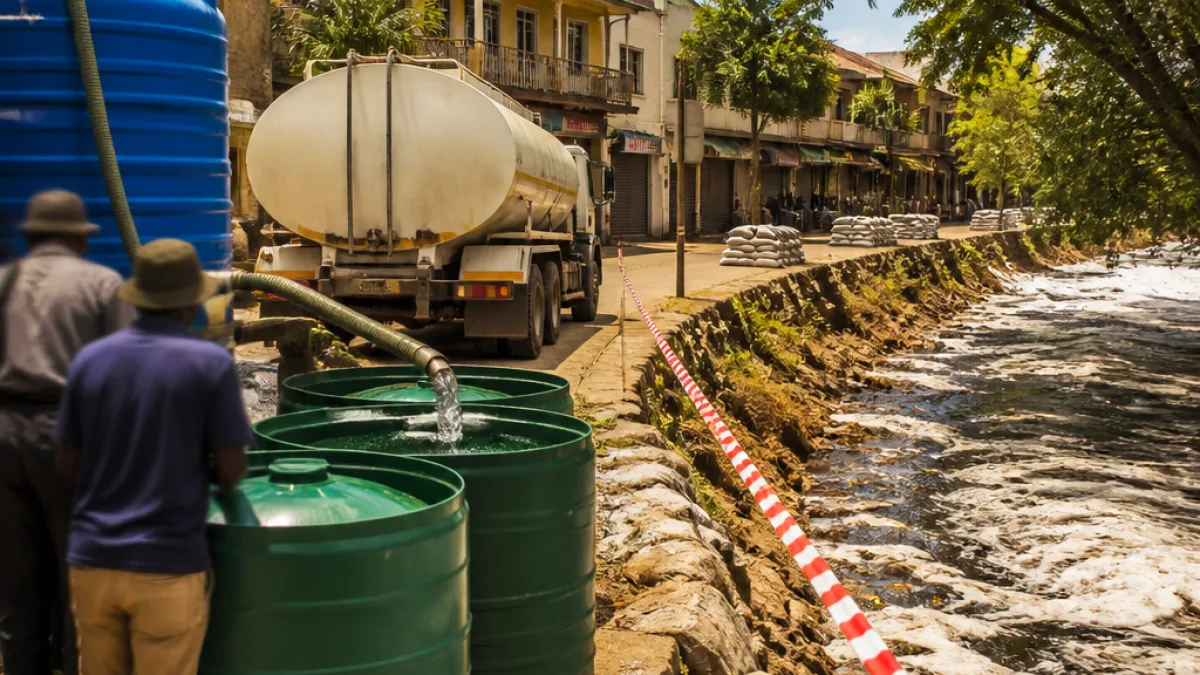
Pilane added that many businesses are being compelled to install contingency infrastructure such as water tanks, boreholes and filtration systems to keep operating. These additional costs, he warned, erode profitability and the attractiveness of the destination to visitors.
Local impacts: jobs, conservation and visitor confidence
Tourism in South Africa is a renewable asset: landscapes, wildlife and cultural heritage are long-term draws. But tourism depends on functioning municipal services. When infrastructure fails, guides, lodge staff, restaurant workers and small vendors all face reduced income as bookings fall and visitors look elsewhere.
Organisations such as SANParks receive revenue linked to visitor numbers, and sustained declines could reduce funds available for conservation and park management. In a region where nature-based tourism supports livelihoods and protects biodiversity, that risk has cascading effects.
- Businesses are incurring higher operational costs for water and wastewater backup systems.
- Visitors may avoid the area if basic amenities and clean rivers are not assured.
- Conservation funding tied to tourism receipts could fall if visitor numbers decline.
Where the problems are most visible
Local accounts and industry commentary point to recurring problems across the corridor. The main issues reported are interruptions to potable water supply and sewage entering river systems that are central to the area’s natural appeal.
| Town | Primary service issue |
|---|---|
| Lydenburg | Unreliable water supply |
| Graskop | Sewage discharge into rivers |
| Sabie | Water interruptions and wastewater concerns |
| Pilgrim’s Rest | Sanitation and potable water reliability |
Calls for action and practical steps
SATSA and local business leaders say marketing alone cannot solve the underlying infrastructure problems. Their message is clear: investment and repairs must precede or accompany destination promotion.
Operators that have already taken contingency measures are effectively subsidising municipal failures. While these interim solutions keep doors open and taps running, they are not sustainable substitutes for functioning bulk water and sanitation systems.
For residents and visitors, practical short-term steps include:
- Carrying sufficient drinking water when travelling to affected towns and checking with accommodation providers about current water availability.
- Tour operators asking about wastewater treatment and environmental safeguards before booking activities that rely on rivers and wetlands.
- Businesses documenting expenses related to contingency water and sanitation measures for possible relief or support discussions with municipal authorities.
Wider context and what comes next
Mpumalanga’s varied attractions have long formed part of the country’s tourism offering. The Thaba Chweu corridor is a key inland alternative to coastal destinations, drawing domestic and international visitors for waterfalls, forests and heritage sites. But the value of these assets is undermined if municipal infrastructure cannot keep pace with demand.
Local leaders and industry bodies have called for urgent engagement between the municipality, provincial government and tourism stakeholders to develop a co‑ordinated plan to restore services and protect rivers. Without swift remediation, stakeholders warn the economic fall-out could hit employment in hospitality and conservation sectors and reduce revenue that supports environmental management.
Tourism operators and communities now face a choice: continue to shoulder interim costs or press for immediate municipal and provincial action to secure the water and sanitation services that underpin the region’s appeal and livelihoods.
Nomsa Mahlangu
Mpumalanga Correspondent (Mbombela)