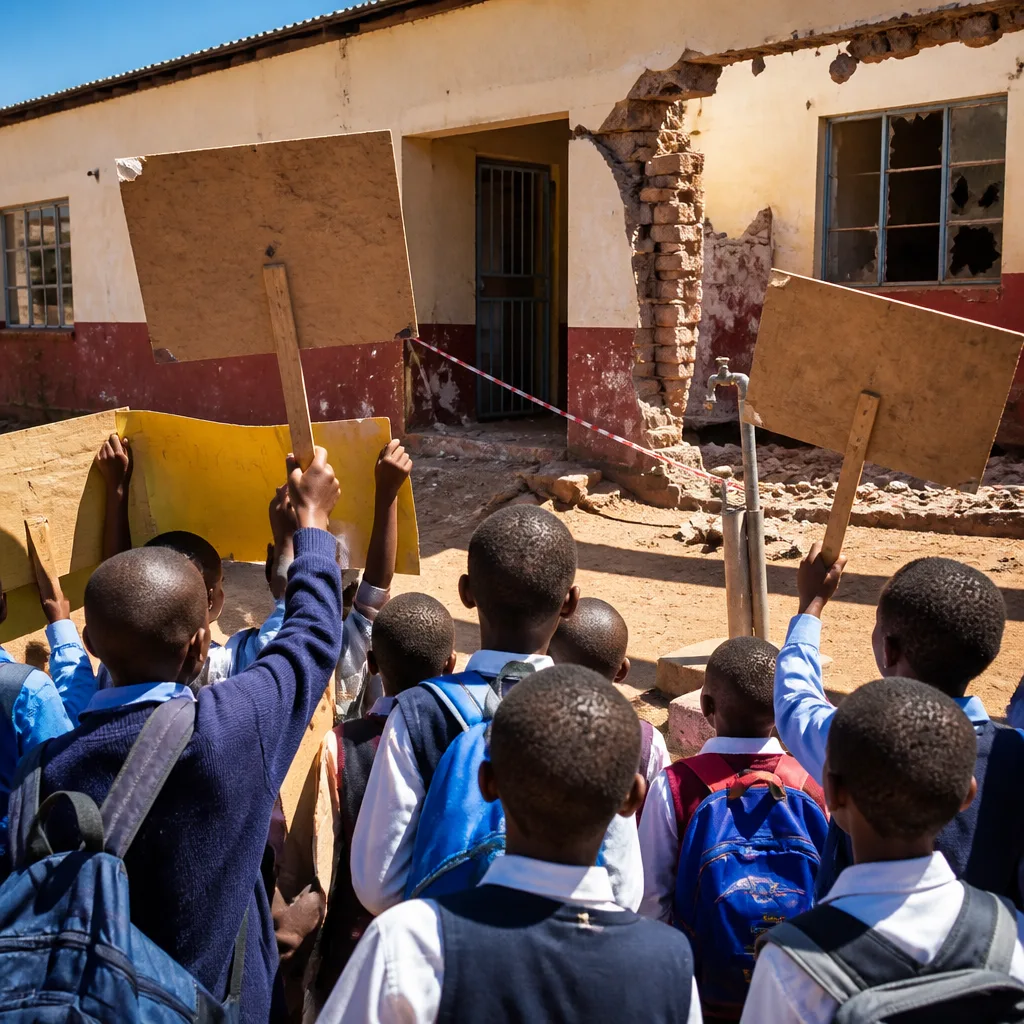
Students across at least 10 Indian states have staged protests in recent weeks, refusing to attend classes until authorities promise safer school buildings, more teachers and access to basic services such as drinking water, electricity and toilets.
What sparked the protests
The demonstrations gained attention after a group of 122 primary school pupils in Samuhi Bhatpurwa village, Uttar Pradesh, declined to attend lessons on 22 August until officials agreed to replace a dilapidated school building. Part of that school remains unrepaired after a wall collapsed in 2023 and seriously injured a pupil. Local education officials subsequently told the children a new building would be constructed.
Wider pattern of grievances
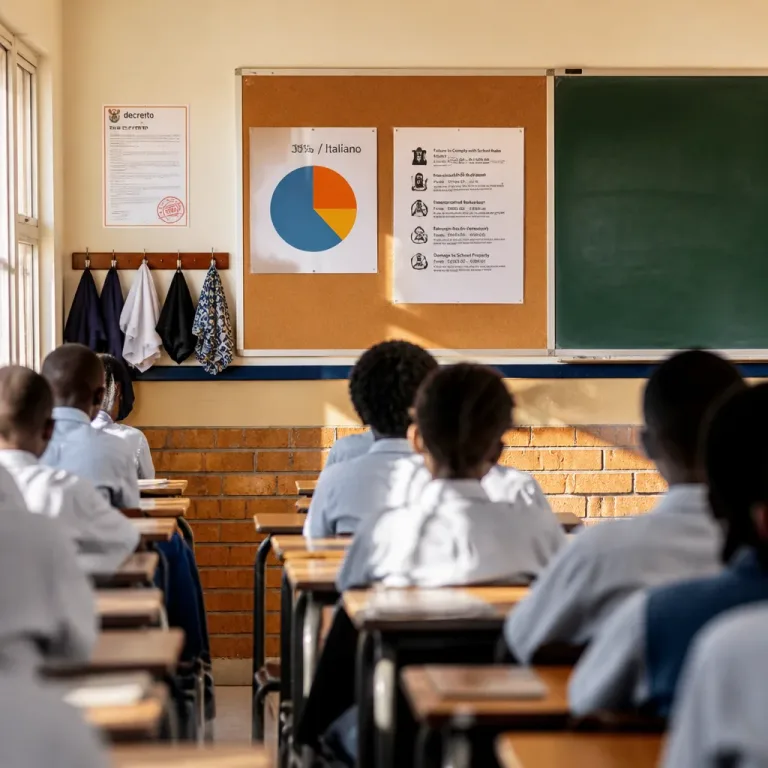
Reports say similar walkouts and demonstrations have been recorded in states including Maharashtra, Bihar, Rajasthan, Jharkhand, Madhya Pradesh and others. Pupils and campaigners have listed a range of deficits affecting daily schooling, notably:
- Unsafe or damaged classroom structures
- Shortages of teachers
- Lack of drinking water and electricity
- Insufficient furniture such as benches
- Poor access roads to schools
These protests come in the wake of wider youth activism in India over issues such as examination paper leaks, graduate unemployment and broader concerns about the education system’s effectiveness.
“The children are demanding their rights. They want teachers, benches, school buildings, drinking water, electricity and toilets,”
said Bengaluru-based education rights activist Nagasimha Rao, according to reporting.
Scale and context
India runs one of the largest school systems globally, with about 247 million learners enrolled across roughly 1.5 million schools. Official data point to improvements in access and pupil‑teacher ratios in recent years, but gaps remain: more than 100,000 schools reportedly have only a single teacher covering all grades.
Under India’s Right to Education framework, children aged six to 14 are entitled to schooling that meets set standards for infrastructure, sanitation, safety and teacher availability. Activists and campaigners say many government‑run schools still fall short of those standards, leading pupils and parents to take direct action.
Organised support and campaigning
The youth‑led Cockroach Janata Party (CJP), which has been active in recent protests, launched a ‘School Thik Karo (Fix The Schools)’ campaign to back school students seeking improved conditions. CJP representatives described meeting families who had travelled from rural areas to press their demands and raised concerns about poor roads and persistent shortages of staff and facilities.
| Issue reported | Examples cited |
|---|---|
| Unsafe buildings | Collapsed wall at Uttar Pradesh primary school (injured pupil, 2023) |
| Teacher shortages | Over 100,000 schools with only one teacher for all grades (government data) |
| Basic services lacking | Reported absence of drinking water, electricity, toilets and benches |
Implications for policy and practice
The protests expose persistent gaps between statutory entitlements and reality in many state schools. For education departments, the immediate policy questions include prioritising repairs and construction for unsafe buildings, addressing teacher deployment and recruitment, and ensuring reliable provision of water, sanitation and electricity — fundamental elements that make learning possible and safe.
For parents and communities, the actions by very young pupils underline a sense of urgency: some children have been prepared to withhold their presence in class to force administrative responses. For civil society and unions, the movement highlights the role of organised youth activism in drawing attention to issues that routine reporting and official statistics may not fully capture.
While this reporting concerns schools in India, the themes — infrastructure backlogs, staffing shortages and basic service delivery — are directly relevant to education systems elsewhere, including South Africa, where similar challenges are regularly raised in national debates about safe, equitable and quality schooling.